A Fresh Take on Clothing Swaps: How to Host and Thrive in the Circular Fashion Economy
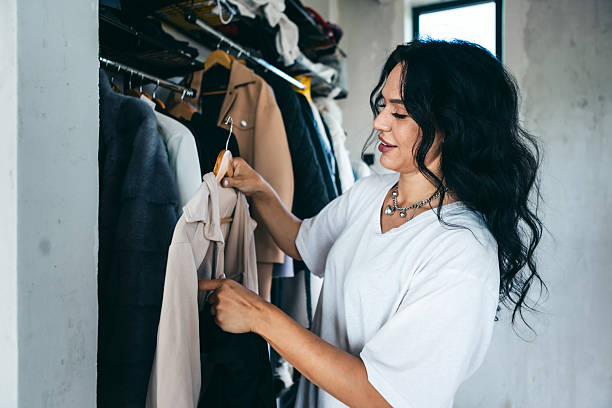
Let’s be real: your closet is probably a little chaotic right now. That silky slip dress you snagged from a Depop binge? Worn once. The vintage Levi’s you swore would be your new staple? Still sitting with the tags on. And that Free People-esque blouse you grabbed while “treating yourself” during a late-night scroll? It’s giving “I have nowhere to wear this but I needed the serotonin.” We’ve all been there. But here’s the thing—staying stylish in 2026 isn’t about buying more. It’s about working smarter, not harder, with what’s already in your orbit. And one of the most underrated, ultra-genius, and low-key luxurious ways to refresh your rotation without draining your bank account? The humble clothing swap.
You know the vibe: a cozy Brooklyn apartment, a few bottles of natural wine, a playlist heavy on ethereal indie folk, and a pile of gently worn gems waiting for a second life. Clothing swaps are the ultimate expression of closet circularity—keeping garments in rotation instead of sending them to a landfill or letting them gather dust in the back of your IKEA wardrobe. And for the ballin’-on-a-budget girlie who still wants that elevated, boho-leaning aesthetic, swapping is basically a cheat code. You get the thrill of a new find without the guilt of supporting fast fashion’s dark side. Plus, you’re building a community of like-minded trendsetters who also believe that sustainability can be sexy.
So how do you pull off a swap that feels more curated thrift store than frat-house clothes pile? First, curate your circle. Invite friends who actually have taste. You know—the ones whose style you secretly envy, the ones who always manage to find the perfect oversized cardigan or the pair of worn-in ankle boots that look straight out of a Brooklyn flea market. Set a loose theme if you want: “Boho basics and statement accessories” or “Workweek chic meets weekend wander.” That way everyone brings stuff that fits the aesthetic without it turning into a random jumble of gym tees and prom dresses from 2019.
Next, make it an experience. Set up your living room like a mini boutique. Use a clothing rack if you have one, or drape pieces over the back of a vintage sofa. Lay out accessories on a tray, jewelry on a mirror, shoes in a neat row. Light a sage or palo santo candle, put on some lo-fi beats, and let the magic happen. The energy should feel like a private shopping event, not a garage sale. And here’s the key: no one leaves empty-handed. If someone brings a piece that doesn’t get swapped, encourage them to donate it to a local thrift or textile recycling program. The point is to keep things moving, not to hoard.
But the real hack? Knowing how to style what you swap. That slightly too-long maxi skirt from your friend’s ex-boyfriend-era? Belt it high and throw on a cropped knit. That oversized denim jacket with a tiny stain on the sleeve? Add a patch or a silk scarf tied around the collar. The beauty of swapping is that you’re getting pre-loved items that already have a story—and you get to write the next chapter. Mix them with your current closet staples, and suddenly your whole wardrobe feels fresh without a single click on a checkout page.
Of course, there’s also the digital side of circularity. Apps and platforms dedicated to swapping are popping up everywhere, and they’re perfect for the days when you can’t rally a crew. But IRL swaps hit different. They’re a chance to see how pieces actually look on someone else, to get real-time styling advice, and to bond over “OMG I’ve been looking for this exact shape of blazer.” It’s fashion as community, not commerce.
And let’s not ignore the planet. The fashion industry is one of the biggest polluters on earth, and while we can’t all be perfect sustainable queens, every swap extends the life of a garment and keeps it out of a dump. That’s a small win that adds up. Plus, you’re saving actual cash—money you can reinvest into the one or two investment pieces you really do need, like a well-cut pair of wide-leg trousers or a genuine leather tote that will last a decade.
So next time you’re staring at a closet full of clothes you “have nothing to wear,” remember: your next favorite outfit is probably already in someone else’s closet. Host a swap. Invite the girls. Pour some rosé. And watch your wardrobe—and your vibe—get a whole new lease on life. Closet circularity isn’t just a buzzword. It’s the move.
Articles