AR filters as outfit inspo
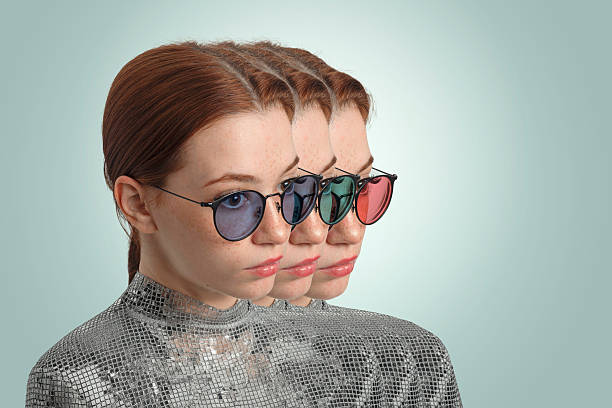
You’ve been there. Scrolling through your FYP at 2 a.m., half-lucid, when a digital cherry blossom explodes across your screen, your face suddenly framed by a shimmering halo of pastel petals and a pair of virtual Y2K shades. In that exact moment, something clicks. Not just the aesthetic high, but a new kind of shopping impulse. The filter didn’t just alter your face—it altered your vibe. And suddenly, you’re screenshotting the look, deep-diving Depop for a similar cropped cardigan, and wondering why your entire wardrobe doesn’t already feel like a lo-fi anime dream sequence. Welcome to 2026, where the line between digital persona and physical closet has officially dissolved, and AR filters are the new mood boards for your entire fit.
Let’s be real: the way we discover personal style has fundamentally shifted. Gone are the days of flipping through static lookbooks or waiting for a seasonal Vogue drop. Now, inspiration hits you in the face—literally. Augmented reality filters on Instagram, TikTok, and even Snapchat have evolved from silly puppy ears into hyper-curated, wearable art. They’re no longer just for a quick laugh; they’re micro-trend generators. And in the world of StyleGoals.com, where we’re living in a perpetual Brat Summer forever with a Brooklyn/Boho edge, these filters are the ultimate cheat code for staying ahead of the fashion curve without ever leaving your couch.
Here’s how it works. Core aesthetics like “Cottagecore,” “Mob Wife,” or “Vanilla Girl” used to be distilled from Pinterest boards and editorial spreads. Now, they’re being born inside a lens. A single AR filter can layer a digital lace choker, a soft-goth cross pendant, and a sunset-hued gradient on your skin, instantly selling you a whole identity. You try it on, you like it, you want it. That’s the magic. These filters are essentially targeted outfit inspo delivered straight to your dopamine receptors. For the upscale 18–30 crowd who love The RealReal for a vintage score and FreePeople for that floaty, effortless drape, AR filters act as a visual bridge. They let you test-drive a “Coastal Cowgirl” silhouette or a “Cyber-Boho” overlay before you commit to buying a single piece of fringe leather or a chunky silver necklace.
What makes this phenomenon so powerful for micro-trends is its speed. A new filter drops on a Tuesday, and by Thursday, it has spawned a thousand outfit recreations. Think of it as a decentralized runway. That filter featuring a digitized marabou boa and holographic eyeliner isn’t just a gimmick—it’s a signal. It whispers that feather textures and iridescent accents are about to dominate your feed. Then, the algorithm rewards you. The more you engage with these looks, the more your FYP becomes a curated stream of outfit ideas that feel personally tailored. It’s like having a stylist who lives inside your phone and knows you crave that perfect blend of thrifted gold hoops and a clean, minimalist sneaker.
But it goes deeper than just surface aesthetics. AR filters tap into a core Gen Z/young Millennial need: low-commitment experimentation. We live in an era of hyper-visibility, where every outfit feels like a post. So why not try on the potential outfit digitally first? You can layer a virtual oversized blazer over your digital self, add a splash of “dirty” denim texture, and instantly see if you vibe with the “Lazy Rich Girl” look without spending a dime. It’s the ultimate try-before-you-buy, but for vibes. And when you find that one filter that makes you feel like you just walked off a shoot in Williamsburg, you screenshot it. You tag a friend. You text your group chat: “Need this jacket but in a weathered brown leather, not black.”
This is where StyleGoals.com meets the moment. Our Digital Bloom subsection thrives on this cross-pollination between the screen and the street. We’re not here to tell you what to wear; we’re here to decode what you’re already feeling. When an AR filter trends, we’re already sourcing the real-world components. That sheer organza overlay? We found it at a vintage pop-up. That gold chain belt? It’s a three-dollar find from a dusty bin, styled like it cost three hundred. Because the ultimate filter isn’t just on your face—it’s your whole presence. It’s that confidence when you walk into the coffee shop, your phone buzzing with notifications, and your outfit feels like it was pulled from a parallel universe where you’re the main character.
So, the next time you catch yourself staring at a digital sparkle on your cheek, don’t swipe away. Save it. Study it. Let it teach you something about your own taste. The algorithm is listening, and the micro-trends are already growing inside your screen. All you have to do is wear them into the light.
Articles