

Bluetooth helmets stylish
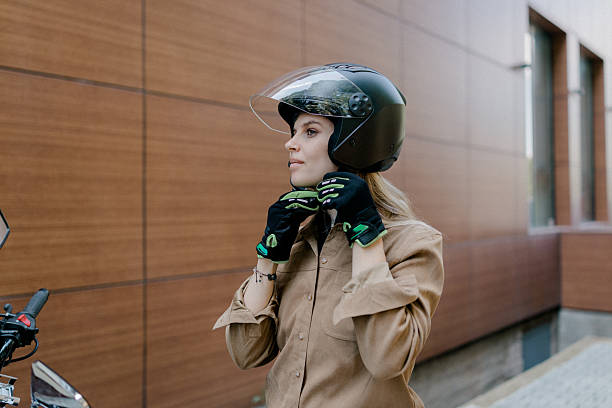
You know that moment when you’re skating down the Brooklyn Bridge at golden hour, your AirPods are falling out for the third time, and your helmet strap is messing up that perfectly messy bun you spent twenty minutes on? Yeah, we’ve all been there. But here’s the thing: 2026 isn’t about choosing between safety and style anymore. It’s about streetwear that actually works with your life—not against it. Enter Bluetooth helmets. Not the clunky, neon-bright, “I’m-a-tourist-on-a-Citi-Bike” kind. We’re talking sleek, matte-finish, vibe-forward helmets that blend into your fit like they were meant to be there. This is streetwear elevated, and it’s the move you didn’t know your morning commute (or late-night cruise) was missing.
Let’s be real: the whole “tech meets skate” thing used to feel like a forced crossover episode between a Silicon Valley startup and a Thrasher magazine cover. But now? It’s seamless. Bluetooth helmets have evolved from niche gadgetry to an actual style staple—if you know where to look. Think of them as the bucket hat of the future, only with hidden speakers, hands-free calling, and a battery that lasts longer than your morning matcha latte. Brands like Sena, Livall, and even some indie labels are dropping helmets that look like they were designed by a collab between Éterne and a Ganni archive. Minimal seams. Soft-touch finishes. Colors that don’t scream “safety orange” but whisper “I spent my coffee budget on this, and I regret nothing.”
The real magic? These helmets are built for the way we actually move. You’re not just skating to the coffee shop or bike commuting to your WFH setup—you’re curating a vibe. A Bluetooth helmet lets you keep your playlist flowing without sacrificing spatial awareness. You can take a call from your mom (again) while dodging a pothole, or cue up your “Late Night in Williamsburg” mix without fumbling for your phone. And let’s talk about the hair situation. No more crushed roots or flattened baby hairs. These helmets are designed with ponytail ports and airflow channels that actually let your scalp breathe. That means you can roll up to a rooftop terrace or a thrift store pop-up and not look like you just survived a wind tunnel.
But here’s where it gets interesting: streetwear in 2026 isn’t just about what you wear—it’s about what you do in it. The “tech meets skate” subsection on StyleGoals.com isn’t for the hardcore vert skaters or the helmet-denting daredevils. It’s for the girlies who want to look effortlessly put-together while pedaling to a friend’s gallery opening. It’s for the thrift-run queens who layer a vintage leather jacket over a bike-friendly top and still want to hear their podcast. Bluetooth helmets are the accessory that says, “I respect my brain cells, but I also respect my aesthetic.” And honestly? That’s the balling-on-a-budget energy we love.
Now, I know what you’re thinking: “But aren’t these expensive?” Here’s the real talk: yes, a quality Bluetooth helmet can run you anywhere from $80 to $200, depending on the brand and features. But think of it as a long-term investment in both your head and your OOTD. You’re not paying for a logo—you’re paying for engineering that doesn’t make you look like a bike lane casualty. Compare that to dropping the same amount on a hoodie that’ll pill after three washes. Plus, the resale game on these is real. People are hunting for gently used Livalls and Sena units on Depop and Poshmark like they’re vintage Levi’s. That’s the upscale Brooklyn/Boho spirit: sustainable, smart, and still serving face.
Styling a Bluetooth helmet is simpler than you’d think. Pair a matte black or sage green helmet with oversized cargo pants, a cropped tank, and chunky sneakers for that “I just rolled out of bed but in a cool way” look. Or go full Free People fantasy with a flowy midi skirt, a vintage band tee, and a helmet that matches your earrings. Yes, matching your helmet to your jewelry is a thing now. Don’t fight it. The key is to treat the helmet like any other accessory—not an afterthought. Clip on a mini carabiner with your keys, wrap a silk scarf around the base, or stick a small sticker on the side that says something ironic. Own it.
Let’s not ignore the cultural shift here either. In 2026, the line between “activewear” and “actual fashion” has basically dissolved. You can wear a Bluetooth helmet to a gallery opening, a casual dinner, or a sunset rooftop party and no one will side-eye you—they’ll ask where you got it. That’s the power of streetwear elevated. It’s not about following a trend; it’s about integrating utility into your personal style without looking like you’re trying too hard. And if you’re a 22-year-old in Bushwick who lives on espresso and impulse buys from The RealReal, you already know: the best looks are the ones that move with you.
So next time you strap on a helmet, don’t think of it as a chore. Think of it as your secret weapon. A Bluetooth helmet is more than a safety device—it’s a statement. It says you’re aware, you’re intentional, and you’re not about to let your playlist die just because you’re cruising through traffic. Streetwear is supposed to be functional, rebellious, and personal. And honestly? Nothing says “I’m the main character” quite like rolling up with wind in your hair, a beat in your ears, and a helmet that looks like it walked off a Moodboard. That’s the vibe. That’s 2026. That’s you.
Articles