

Clothing swap party rules
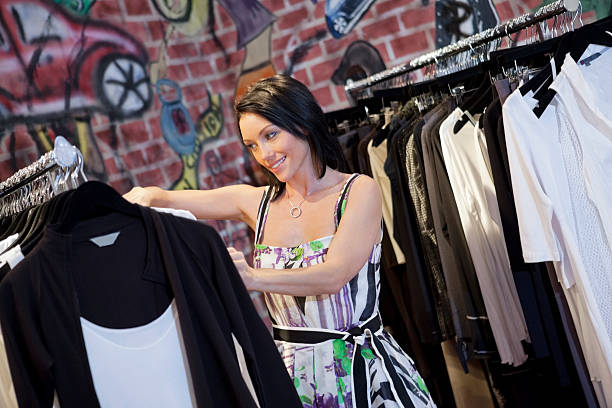
Let’s be real for a second: your closet is basically a graveyard of good intentions. That Free People maxi dress you wore once to a rooftop birthday in Williamsburg? Still hanging there with the tags on. Those Reformation jeans that are half an inch too snug? You keep telling yourself you’ll do five minutes on the stair climber before brunch, and we both know that’s a lie. Meanwhile, your bank account is crying over the $58 you just spent on a single thrifted top in Bushwick. It’s time to stop pretending your closet is a museum and start treating it like a rotating gallery. Enter the holy trinity of sustainable style: rent, swap, resell, repeat. And the best way to kickstart that cycle without descending into chaos is to throw—or join—a clothing swap party IRL or digitally.
First, let’s talk about the vibe. A clothing swap is not a free-for-all. It’s not a chaotic pile of stretched-out H&M tees where someone’s grandma’s 1990s windbreaker becomes your problem. No, honey. This is a curated event. Whether you’re hosting in a loft in Greenpoint or organizing a digital swap via a dedicated Discord server or Depop group, the first rule is quality control. Ask everyone to bring only pieces that are clean, gently worn, and genuinely worth someone else’s time. Think of it like The RealReal’s donation bin but with better lighting and fewer admin fees. If you wouldn’t lend it to your coolest friend, don’t bring it to the swap. That includes items with stains beyond a tide pen, broken zippers you swore you’d fix in 2024, and anything that smells like last week’s cigarette smoke from that dive bar. Your fellow swappers deserve better.
Now, the hardest part: setting boundaries. Yes, you can snatch that vintage leather jacket the moment it hits the table, but the swap gods have rules. A classic system is the ticket method. Everyone gets a set number of tickets based on how many items they brought. Each piece you take costs one ticket. This prevents one person from leaving with an entire wardrobe while someone else walks away with a single sock. If you’re doing a digital swap on a platform like Vinted or a private Instagram group, use a comment system where people claim items in order of when they uploaded. It’s not rocket science, but it keeps the drama to a minimum. And yes, there will be drama. Someone will inevitably try to grab that Zimmerman-esque floral dress before you can say “depop alert.” The key is to stay chill, because the whole point is abundance, not scarcity. There’s always another piece.
Speaking of pieces, don’t sleep on the accessories. A swap isn’t just about clothes. Belts, bags, sunglasses, and even jewelry can transform an outfit faster than a caffeine shot at 3 PM. Bring those statement earrings you inherited from your mom’s 1980s phase or the vegan leather crossbody that you bought because it looked like a Staud dupe. Someone will love them. And if you’re doing a digital swap, make sure to photograph accessories against a neutral background with good natural light. No one wants to guess whether that necklace is silver or tarnished brass from a blurry photo taken in a dark hallway. Presentation is everything, even in the swap economy.
The real magic, though, happens after the swap. This is where the “rent, swap, resell, repeat” loop locks in. You don’t just take home your new treasures and call it a day. You take photos of your haul. You style them for your OOTD grid. You wear that swapped piece once, twice, maybe for a whole week until the dopamine fades. Then you either pass it on to the next swap or list it for resale. Apps like Depop and Poshmark are your best friends here. Price it fairly—think of it as a continued act of generosity. If you got it for free, charging $45 for a fast fashion top is bad karma. But selling that vintage Zara blazer you swapped for $20? That’s a win-win. The money you make can fund your next rental from Nuuly or By Rotation, and the cycle continues. No guilt, no clutter, just a constantly fresh wardrobe that costs way less than a Rent the Runway subscription and feels way more personal.
A few more vibes to keep in mind. If you’re hosting a digital swap, set a deadline for entries and a clear timeline for shipping. Nobody wants to wait three weeks for a mystery envelope. Use sustainable packaging if you can—repurposed mailers, cardboard boxes, even fabric scraps tied with twine. It’s on brand. And always, always include a little thank-you note or a sticker. It makes the experience feel less like a transaction and more like a gift exchange between stylish strangers.
Finally, the golden rule of any swap: leave your ego at the door. You might walk in thinking you’ll score a Ganni top and leave with a pair of mom jeans that make you feel like a 1998 cool girl. That’s the beauty of it. Swapping is about letting go of the idea that your style is a fixed identity. It’s a game. It’s a conversation. It’s a way to dress for the life you’re living right now, not the fantasy you had last season. So gather your friends, your Depop mutuals, or your Discord crew. Set your rules, bring your best pieces, and remember: you’re not just swapping fabric. You’re swapping stories, energy, and the permission to try something new without breaking the bank. Rent, swap, resell, repeat. Your closet—and your wallet—will thank you.
Articles