Deadstock Dressing: The Budget Boho Hack for 2026
You know that feeling when you find a piece of fabric so gorgeous you literally have to touch it, and your brain immediately starts auditioning it for a spot in your core rotation? That is the energy of deadstock dressing, and it is literally the most regenerative move you can make for your closet without breaking your bank or the planet. Deadstock is essentially the fabric equivalent of that vintage tee you found at a stoop sale that someone else never wore—it is brand new material that was overproduced, leftover from a luxury line, or cancelled before it ever hit a factory floor. Instead of ending up in a landfill or sitting in a warehouse gathering dust, it gets rescued by small designers, chop shops, or your local thrift’s remnant bin. For a boho baddie trying to stay fresh in 2026, deadstock is the clutch move that lets you look artisanally curated while keeping your carbon footprint minimal and your wallet happy.
The Brooklyn magic of deadstock is that it fits perfectly into the capsule philosophy without feeling boring. You are not buying a pre-packaged trend from a fast fashion haul that twelve thousand other girls will be wearing at the same warehouse rave. You are working with a material that literally only exists in limited quantities, which means the top or skirt you whip up or have made is a one-of-a-kind gem. This feels incredibly aligned with the upscale boho vibe that relies on artisanal details, earthy textures, and a touch of whimsy—think raw edges, mismatched prints, and the kind of patchwork that tells a story. Deadstock is the ultimate way to channel that The RealReal treasure hunt energy without the resale markup, because you are buying the raw ingredient and then infusing it with your own personality.
Let’s get into the practical side because I know you are balling on a budget but still want that elevated aesthetic. The easiest way to start is by hitting up fabric stores that specialize in deadstock or checking online remnants from smaller brands that wrap up their leftover yardage in mystery bundles. Look for cottons with a bit of weight, vintage-inspired linens, or even silks that would normally cost you a full paycheck. For the modern boho girl, a deadstock silk slip dress is the low-hanging fruit—it drapes like a dream, you can style it with chunky boots and a crochet cardigan for a day look or with strappy heels for a rooftop party, and it cost you maybe thirty dollars in material plus a seamstress fee if you do not sew yourself. That is the kind of math that makes sense when you are trying to stay fresh without overspending.
The regenerative part of this hack is not just about keeping fabric out of the landfill, though that is huge. It is about actively reshaping how you think about clothing. When you buy deadstock, you are voting with your dollar for a circular system where waste is seen as a resource, not an inevitability. You are telling brands that you want the raw poetry of a fabric that has its own history, not the sterile perfection of a mass-produced piece. This mindset shift is what moves you from being a passive consumer to an active curator. You start looking at a gorgeous embroidered deadstock panel and envisioning it as the centerpiece of a wrap top, or you spot a bolt of organic cotton canvas and suddenly your summer trousers are born. That is regenerative fashion in practice—taking what already exists and giving it new life, new purpose, and new memories.
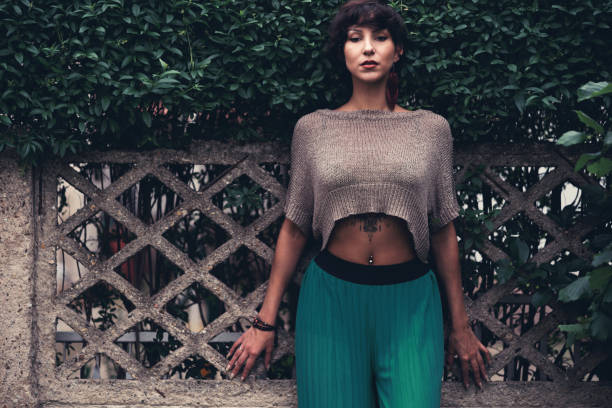
Styling deadstock pieces is where your personal vibe really gets to shine. Because the fabric is inherently unique, the pieces you make or commission have this organic, almost heirloom quality that fast fashion simply cannot replicate. Pair a deadstock linen blouse with thrifted Levis and a pair of clunky loafers for a look that says I have taste but I am not trying too hard. Or go full boho goddess with a deadstock rayon dress that has a subtle hand-dyed effect, accessorized with layered silver jewelry and a suede bag you found at a flea market. The key is to let the texture and color of the deadstock be the star. You are not fighting with logos or trend-driven silhouettes. You are celebrating the material itself, which is honestly the most sustainable flex there is.
The best part? Deadstock dressing scales with your budget. You can start small by swapping out one staple piece—say, a basic cotton t-shirt—for a deadstock version in a rich indigo or an earthy ochre that feels like a hug from the earth itself. Or you can go all in and build an entire capsule around rescued materials. Either way, you are reducing demand for virgin textiles, supporting smaller creators who are doing the labor of keeping waste out of the system, and ending up with a wardrobe that lowkey screams “I am the main character” without saying a word. That is the Brooklyn boho dream realized through fabric that was meant to be forgotten but got a second chance. So next time you are scrolling for dopamine or hitting a sample sale, remember that the coolest piece you will own in 2026 probably started as a forgotten roll of fabric in a warehouse, waiting for you to give it a life.