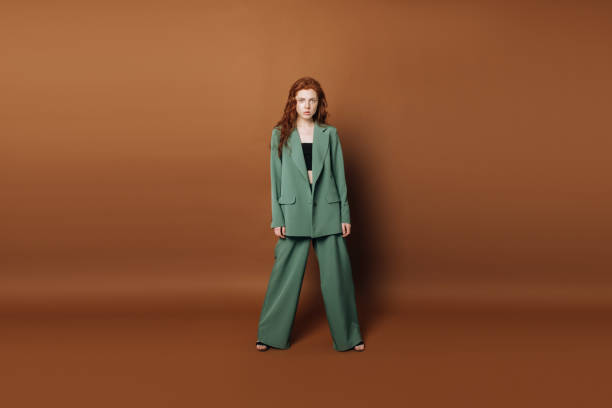

Deconstructed Tailoring: The Unfinished Hem is the Ultimate Flex
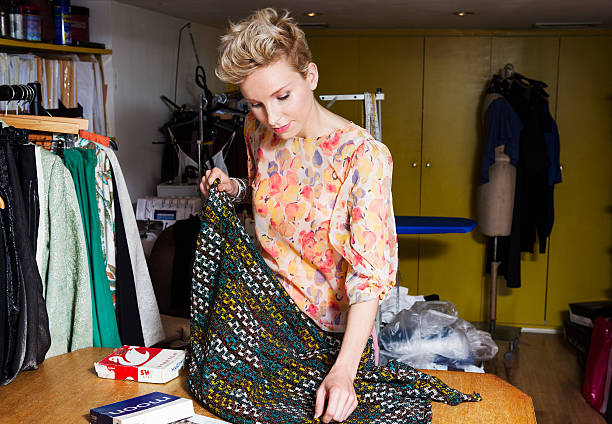
You know that moment when your favorite blazer starts fraying at the edges, and instead of panicking you actually feel a little smug? That’s the energy we’re bringing into 2026. Deconstructed tailoring isn’t just a trend anymore—it’s a lifestyle shift for anyone who’s tired of stiff, buttoned-up suiting that screams “I have a 9-to-5 and a 401k.” Welcome to the era of the unfinished hem, the loose thread, the shoulder seam that looks like it got caught in a blender but somehow still gives main character energy. If you’re scrolling Depop, The RealReal, or even the sale section at Free People, you’ve probably seen it: blazers with raw edges, vests that hang lower in the back, trousers that don’t bother with a proper waistband. This is deconstructed tailoring, and it’s the perfect marriage of Brooklyn boho boho and streetwear elevated.
Let’s be real: traditional tailoring is expensive, and for someone balling on a budget, spending three hundred dollars on a structured blazer that you’ll only wear to interviews feels like adulting gone wrong. Deconstructed pieces flip that logic. They’re meant to look imperfect, which means you can thrift a vintage menswear blazer for twenty bucks, cut off the lining, rip a few seams, and suddenly it’s a designer piece. No cap. The beauty is in the undone details—frayed cuffs, missing buttons, asymmetrical hems that look like they’ve been chopped with kitchen scissors. And because the whole vibe is “I didn’t try too hard,” you can throw one over a slip dress, a graphic tee, or even a cropped hoodie and instantly level up your fit.
For the 18-to-30 crowd that lives for that RealReal resale rush, deconstructed tailoring is a goldmine. You’re not paying for perfect construction; you’re paying for the aesthetic of imperfection. That raw hem on a pair of wide-leg trousers? It’s giving effortless cool. That blazer with the missing shoulder pad and a trailing thread? It’s the exact same energy as an art-school dropout who somehow still looks put together. And since fast fashion brands are catching on, you can find dupes at Zara or H&M that mimic the look without the thrifting effort. But honestly, the thrift route hits different because you get that one-of-a-kind feel—plus you’re saving the planet, which is always a flex.
So how do you actually style this without looking like you got attacked by moths? Start with a foundation that’s simple and clean: high-waisted jeans, a basic tank, chunky sneakers or combat boots. Then layer on a deconstructed blazer or vest. The key is letting the imperfection be the statement. If the blazer has raw edges, keep the rest of your outfit minimal so the textural contrast pops. Think of it as main piece energy. Add a slouchy leather belt, maybe a chain necklace or two, and you’ve got a look that screams “I woke up like this” even though you definitely spent fifteen minutes arranging the frayed bits just so.
The boho Brooklyn vibe comes in when you mix fabrics. Pair a deconstructed linen blazer with a flowy midi skirt and platform sandals. Or take an unfinished hem vest and throw it over a crochet top and baggy cargo pants. Accessories are your best friend here: a floppy hat, a woven bag, stacked rings. The goal is to look like you stumbled out of a vintage store in Williamsburg and immediately got photographed for a street style blog. That’s the 2026 energy.
Another move: go monochromatic but choose a fabric with texture. A cream-colored deconstructed suit set—blazer and trousers—but with purposely uneven hems and visible stitching. Pair it with a chunky white sneaker and a simple leather crossbody. You look expensive without being flashy. And because the tailoring is deconstructed, the pieces feel less formal, so you can wear them to brunch, a gallery opening, or even a date night without looking overdressed or underdressed.
Let’s talk budget. You don’t need to drop racks on Rick Owens or Maison Margiela to get this look. The RealReal is your bestie for finding designer labels with flaws that actually enhance the aesthetic. Search for “as-is” or “final sale” items with small imperfections—those are prime candidates for deconstructed styling. Alternatively, hit your local thrift store, grab a blazer that fits weirdly oversized, and DIY. Cut the lining, chop the hem, sand the edges for a frayed finish. There are countless TikTok tutorials that show you how to achieve the look in under ten minutes. That’s the balling-on-a-budget flex: making something custom with your own hands.
In 2026, fashion is about reclaiming how we define polish. Polish isn’t a crisp seam anymore; it’s intentional rawness that says you know the rules and you chose to break them. Deconstructed tailoring lets you play with structure and softness, masculine and feminine, thrifted and high-end. It’s the ultimate expression of streetwear elevated because it takes something traditionally corporate and turns it into something rebellious, artistic, and yes, a little boho. So go ahead—embrace the loose threads, the missing buttons, the uneven hems. That’s the fit that’s going to turn heads this year, and it won’t break your bank. Just remember: the messier the better, as long as it’s on purpose.
Articles