
Mood-Responsive Textiles Are the New Neutral for 2026
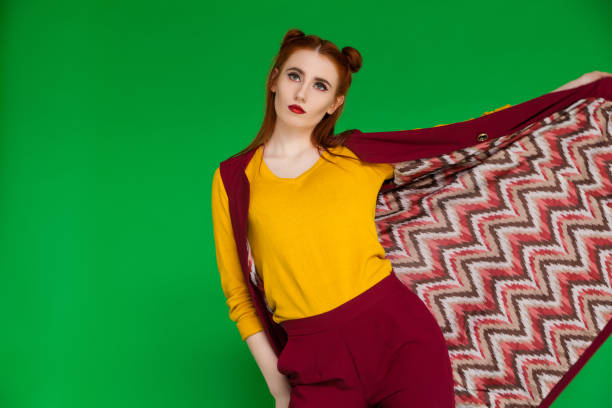
You know that moment when your entire vibe changes halfway through a night out? Maybe you start the evening feeling that quiet, curated energy—clean girl minimalism, a little aloof, ready for gallery drinks. Then suddenly you’re at the afterparty, the bass is hitting, and you’re actually feeling wild. Normally, that would mean a bathroom stall wardrobe pivot or just accepting that your outfit no longer matches your aura. But 2026 is serving something different. Biometric fashion is finally here, and it’s not about clunky smartwatches or screens stitched into sleeves. It’s about textiles that actually get you. Specifically, mood-responsive fabrics that shift their color, pattern, or even texture based on your heart rate, skin temperature, and emotional state.
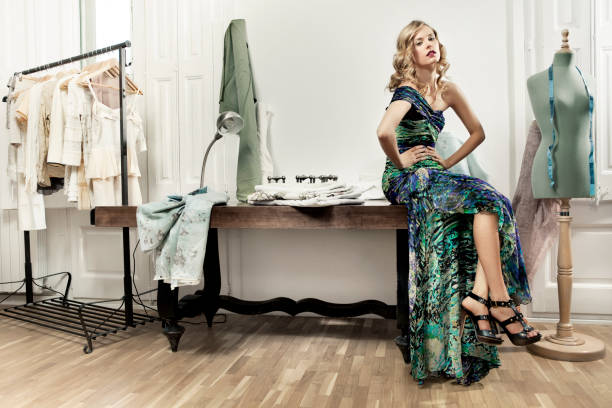
Let’s be real: the concept of “wearable tech” has been giving Silicon Valley bro for way too long. But this new wave of biometric fashion is different. It’s not about tracking your steps or optimizing your productivity. It’s about expressing what you’re feeling in real time, without having to say a word. Imagine a flowy boho maxi dress that changes from a soft sage green to a deep magenta when you’re excited. Or a cropped knit cardigan that subtly heats up around the collar when your body temperature drops because you’re anxious. That’s the energy we’re talking about.
The science behind it is wild but super accessible now. Designers are integrating micro-sensors directly into the weave of natural and recycled fibers. These sensors read your biometrics—heart rate variability, galvanic skin response, body temp—and send that data to thermochromic or electrochromic pigments embedded in the fabric. The result is a garment that reacts. It’s not instant, more like a slow morph that feels organic, like how a sunset shifts. That’s the Brooklyn/Boho vibe right there: intentional, artistic, and deeply personal.
For the girl who loves The RealReal for a vintage find and FreePeople for that effortless drape, mood-responsive pieces are the ultimate flex. They’re investment items that do more than just look good. They tell your story without you having to curate a caption. And because this tech is moving fast, the price point is dropping. You’re not paying for a futuristic gimmick anymore. You’re paying for a garment that functions like a mood ring your whole body can wear. And honestly, isn’t that the dream? No more outfit repeating when you’re in a completely different headspace. Your clothes just evolve with you.
There’s also a softness to this trend that aligns perfectly with the slow fashion, mindful consumption ethos that Gen Z and young Millennials are championing. These pieces make you think about your emotional relationship with what you wear. Are you reaching for that reactive shift dress because you’re seeking connection tonight? Or are you throwing on a calming, heat-sensitive hoodie because you need a protective layer for a stressful day? It turns getting dressed into a ritual of self-awareness. Plus, from a sustainability angle, a garment that can change its appearance based on your mood encourages you to own fewer pieces. One dress can be your Friday night confidence boost and your Sunday morning cozy moment. That’s the ultimate balling-on-a-budget move.
Obviously, there are the privacy questions. You don’t want your outfit broadcasting your anxiety to a crowded subway car. But the good brands are building in privacy modes. You can set your garment to read your biometrics but only change color within a certain range, or you can have it stay in a static color until you give a subtle hand gesture to activate the reactive mode. It’s all about control. You decide who gets to see your inner world.
So whether you’re grabbing a cold brew in Williamsburg or thrifting in Echo Park, the future of fashion isn’t about following a trend. It’s about wearing your truth. Literally. These fabrics are the new neutral because they adapt to the only constant there is: you. The vibe shift is real. And now, your clothes can keep up.
Articles