
Poshmark bundles strategy
So, you’ve got a closet that’s basically a chaotic blend of Free People floral prints, vintage leather buckle boots from that Brooklyn flea, and maybe a few designer splurges from The RealReal that you absolutely justified as investments. But here’s the thing: your bank account is screaming, and your rent is due. You’re balling on a budget, but you still want to show up in fresh fits that scream “I woke up like this,” not “I went broke for this.” That’s where Poshmark bundles come in, and I’m not just talking about slapping a few tops together and calling it a day. I’m talking about a full-on strategy that turns your listings into a cash flow engine—one that lets you rent your wardrobe to someone else, swap for their gems, resell like a boss, and repeat the whole cycle until your closet pays your electric bill. As someone who’s deep in the reselling-for-profit game, I can tell you: bundles are the secret sauce to making Poshmark your side hustle that actually works.
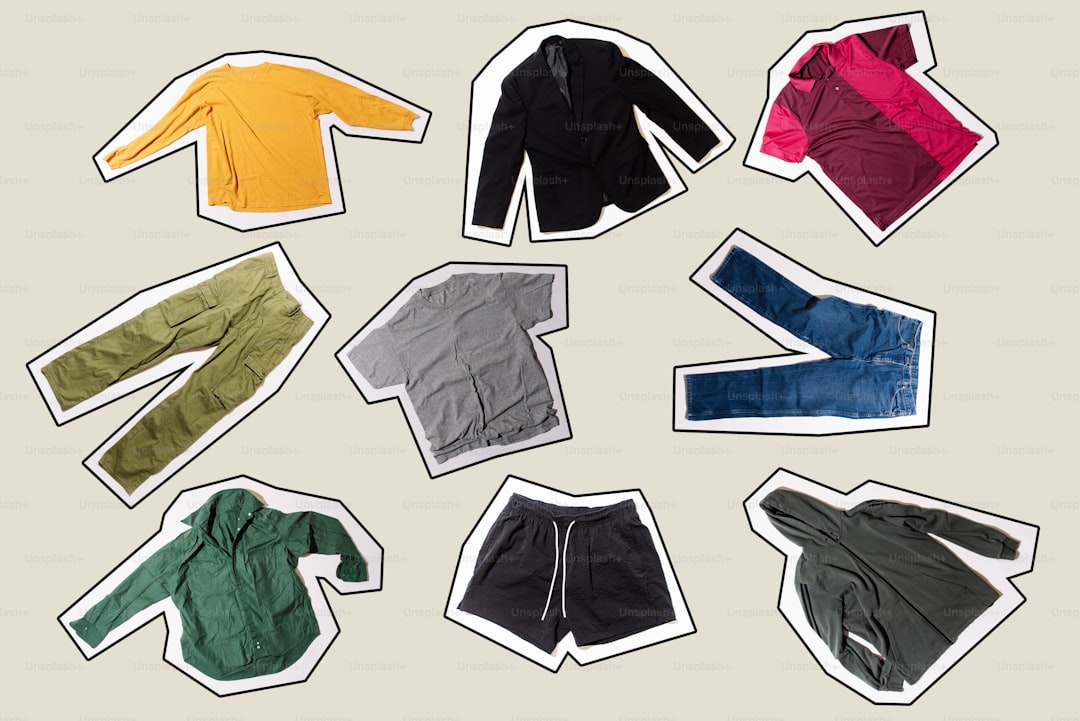
First, let’s get real about what a bundle is. On Poshmark, a bundle is basically a customized shopping cart where a buyer can pick multiple items from your closet and get a deal. But if you’re just letting buyers build their own bundles and hoping for the best, you’re leaving money on the floor. The smart move is to create themed bundles that feel like a curated thrift haul from your very own apartment. Think like you’re a stylist at a Brooklyn pop-up shop. Group items by vibe: a “Boho Brunch Edit” with an embroidered blouse, high-waisted linen pants, and those chunky sandals that you wore twice. Or a “Date Night On A Dime” bundle with a silky slip dress, a cropped cardigan, and a statement necklace. When you present a bundle as a cohesive look, you’re selling a fantasy, not just a pile of clothes. And that fantasy is what drives a buyer to hit “add to bundle” without overthinking the price.
Now, here’s where the “rent, swap, resell, repeat” part gets spicy. You don’t have to keep your listings static. Think of your closet as a rotating gallery. If you’ve got a piece that’s sitting for months, don’t just drop the price to $8 and cry. Instead, bundle it with a cult-favorite item—like that overpriced Urban Outfitters corset top that’s trending on TikTok—and offer a bundle discount that makes the total feel like a steal. Poshmark lets you set a bundle discount of 10%, 15%, or even 20% off, but don’t just slap a flat number in your closet description. Message potential buyers with a personalized offer. Say something like, “Hey, I noticed you liked that floral midi skirt. I have a matching cropped cardigan that would vibe so well with it—check out my bundle option.” That direct outreach is gold. It makes the buyer feel seen, and it moves your inventory faster than a seasonal clearance rack.
But let’s talk about the actual profit mechanics because we’re all here to make rent money, not just aesthetic money. When you resell, you’re playing a volume game, but bundles let you play a value game. Instead of selling a single top for $15, you sell a three-piece bundle for $40. Yes, you’re giving a discount, but you’re also clearing three items in one swoop, which saves you shipping costs (Poshmark covers it after $3.99? Actually, no—Poshmark bundles have one flat shipping cost of $7.67, so the buyer saves, and you save on the time it takes to pack multiple orders). Plus, you’re building your seller rating faster. Every bundle sold boosts your average order value, which makes your closet look more established to the algorithm. That means your items show up higher in search results for “Free People bundle” or “Y2K bundle” or whatever niche keywords you’re working with.
Here’s the real Gen Z move: make your bundles rentable in spirit. You can’t literally rent clothes on Poshmark (yet), but you can create a rotation cycle by offering bundles that let the buyer feel like they’re getting a mini-wardrobe rental experience. For example, package a “Festival Weekend” bundle with a fringe jacket, a tube top, denim shorts, and a fanny pack. Sell it for $60. The buyer wears it for Coachella, then what? They either keep it, donate it, or—if they’re smart—resell it back to you or on their own Poshmark. You can even encourage this by including a little note in the bundle: “If this look doesn’t see another festival, list it back and tag me for a shoutout.” It’s community-driven resale, and it builds loyalty. You become the person who supplies the fits, not just the clothes.
To keep your profit margins healthy, source your bundle components strategically. Hit up Goodwill bins or those “by the pound” thrift stores at 7 AM on a Sunday. Grab basics that resell easily—like Neutral tank tops, denim in good condition, or blazers that scream 2026 Y2K revival. Then pair them with higher-end pieces you scored from The RealReal or a consignment shop. A $3 tank from a thrift store, when bundled with a $40 Reformation dress from a sample sale, makes the whole bundle feel luxe while your cost basis is laughably low. List the bundle as “Free People meets vintage,” and watch the likes roll in. Don’t forget to photograph the bundle as an outfit on a mannequin or laid out on a cream rug with a chai latte next to it—that Brooklyn boho aesthetic is everything your buyer wants to see. They’re scrolling in their bed at 2 AM, dreaming of a closet that looks effortless. Your bundle is that dream, and they’ll pay for it.
The final piece of this puzzle is the “repeat” part. Once you sell a bundle, don’t just walk away. Follow up with the buyer via a bundle comment thanking them, and mention that you have new drops coming. Build a community of regulars who know you as the girl who has the best bundles for their lifestyle. If you consistently offer “Rent, Swap, Resell, Repeat” as a philosophy, they’ll come back when they need a new look for a first date, a weekend trip, or just a Tuesday that requires a moth-signature vibe. You’re not just reselling clothes; you’re curating a wardrobe cycle that keeps both your closet and your profit margin in constant motion. So go ahead, grab those faded jeans and that crochet top, bundle them with a story, and let the offers start rolling in. Your electric bill isn’t going to pay itself.
Articles