

Swapping Your Way to a Regenerative Closet
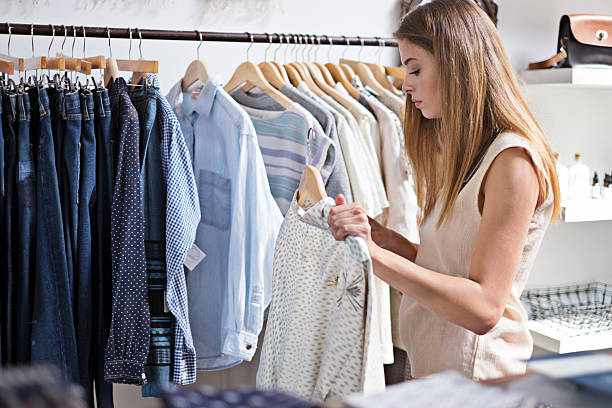
Imagine this: you’ve got a closet full of pieces you love but never wear—maybe that oversized linen blazer you bought for a vibe that never materialized, or the chunky platform sandals that looked fire in the store but now just collect dust. Meanwhile, your bestie is scrolling Depop for literally the same thing you’re about to donate. The waste is real, the guilt is heavier than your tote bag full of regret, and your wallet is crying. Enter the clothing swap—the ultimate regenerative hack that’s equal parts social, sustainable, and budget-savvy. For anyone trying to keep their fits fresh without selling a kidney or trashing the planet, swapping is the move.
Let’s be honest: fast fashion got us all at some point. The thrill of a $20 two‑piece set from Zara or a Free People dupe off Shein feels good in the moment, but the hangover hits when you realize that polyester top is basically immortal—and not in a chic way. The RealReal is great for score‑hunting designer pieces, but even secondhand shopping has a carbon footprint from shipping and packaging. That’s where the swap comes in. It’s the closest thing to a closed‑loop system you can DIY. No new resources are used. No packaging waste. No carbon shipping miles. Just you, your friends, and a pile of clothes that get a second (or third or fourth) life.
But it’s not just about being eco‑queen—it’s about building a regenerative wardrobe. Regenerative isn’t a buzzword; it means your closet actively contributes to the health of the planet and your community rather than just reducing harm. Think of it like compost for your style. When you swap, you’re not just avoiding a landfill—you’re feeding your local fashion ecosystem. That crochet top you’re tired of? It becomes someone else’s festival staple. Those wide‑leg trousers you impulse‑bought because they looked like something off a Brooklyn rooftop terrace? They might become your friend’s go‑to for brunch. The value cycle keeps spinning, and everyone wins.
Hosting a swap is honestly easier than curating a Pinterest board. Grab a squad of five to ten people—ideally a mix of sizes and aesthetics so there’s variety, but even a small group works. Set a loose theme: Boho basics, workwear that actually fits your commute, or “stuff you’d wear to a rooftop.” No pressure to bring high‑end labels—vintage gems, thrifted finds, and even that Forever 21 treasure you can’t justify tossing are all fair game. The rule is simple: bring what you’d genuinely want someone else to love. Broken zippers, bad stains, or that one shirt that makes you itch? Skip it. Quality over quantity.
The real magic happens when you treat the swap like a styling session. Instead of trying on everything like you’re at a chaotic sample sale, turn it into a mini‑runway. Have everyone model their finds, mix and match pieces you’d never consider separately. That silky slip dress your friend brought might look ridiculously good with your leather moto jacket. The vintage band tee she grabbed could be the missing piece for your grunge‑meets‑Boho layer game. This is how you build a wardrobe that feels intentional and personal—without dropping a dime. It’s also how you break out of your style rut. You think you only wear neutrals? A swap buddy’s mustard‑yellow cardigan might convince you otherwise.
Beyond the clothes, swapping builds community. In a world of online scrolling and ghosting, gathering IRL to touch fabric and hype each other up is a low‑key radical act. You trade fits, you trade style tips, you trade the story behind that thrifted leather bag. Suddenly your wardrobe has context. That band tee is no longer just a piece of cotton—it’s from your roommate’s road trip. That fringe vest has a memory attached to a friend’s birthday. This emotional connection is the opposite of fast fashion’s disposability. It makes you want to take care of your clothes, mend them, and pass them along when you’re ready. That’s the regenerative cycle in action.
For the budget‑conscious queen who surfs The RealReal for steals but feels the sting of shipping and the environmental cost, swapping is the perfect bridge. You get the thrill of discovery, the satisfaction of a deal, and the knowledge that your closet is working for you and the planet. Plus, it’s a flex to say your outfit is a one‑of‑a‑kind swap score—no one else on the block has it. You can even level up by adding a “mend and swap” element: bring your sewing kit and basic alterations supplies. That pair of jeans that’s too long? Hem them at the swap. That dress missing a button? Trade it with someone who loves a project. Suddenly your wardrobe feels regenerative in the truest sense—it’s alive, evolving, and part of a circular economy you can touch.
So whether you’re a Free People boho dreamer on a budget or a RealReal resale pro trying to be more intentional, start with your circle. Pick a weekend, send a group chat, and let the swapping begin. Your closet will thank you, your bank account will high‑five you, and the planet will send you a little cosmic nod. The 2026 vibe is all about connection, not consumption. Swapping is how you wear that ethos on your sleeve—literally.