The 2000s Reloaded: Why Low-Rise Denim Is the Ultimate Future Vintage Score

You know the feeling. You’re three scrolls deep on TikTok and suddenly a girl with an expensive looking but clearly thrifted outfit flashbacks you to a time when your biggest fashion concern was whether your whale tail was visible enough. She’s wearing a pair of silver Diesel flares with a tiny ribbed tank and a beat-up leather belt, and for a second you think, wait, I’m supposed to be over low-rise. But the algorithm keeps pushing the same message: the 2000s are not a trend, they’re a whole mood, and the best way to ride it is not through fast fashion reproductions but through actual archival buying. This is future vintage. It’s shopping for today while secretly investing in tomorrow’s nostalgia.
Forget the clean girl minimalism of a few years ago. The 2000s reloaded is about a louder, bolder, more chaotic wardrobe that feels like a digital scrapbook of the MySpace era. We’re talking trucker hats, graffiti print baby tees, bandeau tops layered under mesh, and denim that sits somewhere between your hip bones and your religion. It’s the moment where McBling meets indie sleaze, where Juicy Couture tracksuits coexist with gritty Downtown 2000s looks. It’s not just about wearing old clothes; it’s about wearing the cultural memory of a time when fashion didn’t take itself so seriously. And that’s why low-rise denim, in particular, has become the perfect future vintage score.
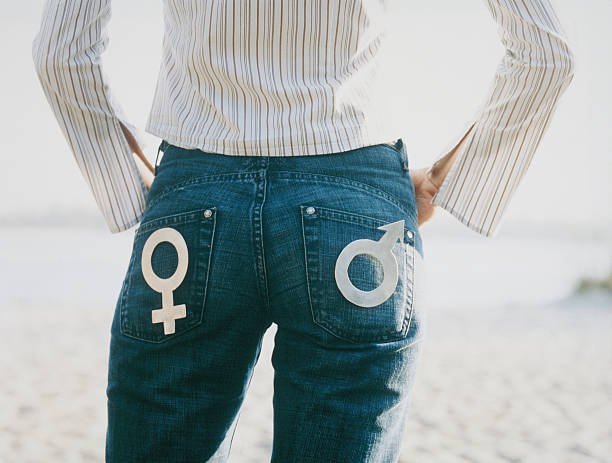
Let’s be real: low-rise jeans are not a practical item. They require a certain confidence, a certain angle, a certain willingness to accept that sitting down might not be the most comfortable experience. But that’s part of the charm. Low-rise denim is a time-stamped artifact. It captures the early 2000s like nothing else. The original pairs, with their baggy legs, tiny front pockets, and heavily distressed details, are not just pants. They are physical proof of a specific era in fashion history. When you put on a pair of vintage True Religion or Miss Sixty or Seven jeans, you’re wearing the exact same shapes that defined magazine covers, music videos, and city sidewalks from Brooklyn to Silver Lake. You’re not copying a look; you’re collecting it.
The smartest part of this whole archival wave is the money math. Fast fashion is already flooding the market with cheap low-rise knockoffs, but those pieces don’t have the real story. A brand new pair of $50 low-rise jeans from some ultra-fast site might have the silhouette, but it doesn’t have the heavy metal hardware or the broken-in denim wash that only comes from actual time. Meanwhile, the original 2000s stock is still out there on The RealReal, Depop, Poshmark, and eBay, often priced lower than a regular new pair. For balling-on-a-budget girls, that’s the dream. You can get a pair of early 2000s Seven For All Mankind jeans that feel like a piece of fashion history without spending two weeks of brunch money. You just have to be willing to dig through search listings, know your measurements, and be patient when a size 25 sells out in two minutes.
There is also something beautifully Brooklyn/Boho about the way this era is being styled now. It’s not about recreating the old magazine ads exactly. It’s about mixing the 2000s with that worn-in, free-spirited, flea market energy. Take your low-rise pair and throw on a sheer crochet maxi skirt over it. Add a long turquoise bead necklace, a slouchy hobo bag, and a pair of lace-up ballet flats. It’s Y2K meets Woodstock, with a little bit of Bushwick sunset thrown in. The tension between the sleazy, shiny aesthetic of the early 2000s and the earthy, layered textiles of a boho wardrobe is exactly what makes the look feel current instead of costumey. That’s the whole point of future vintage: you’re not preserving the past, you’re remixing it into something that only makes sense right now.
And this buying strategy works for more than just jeans. When you start thinking in terms of archival purchasing, you stop seeing clothes as disposable and start seeing them as collectible. You ask different questions. Will this piece still feel special in 2035? Does it have enough personality to survive the next trend cycle? Is this something that will be hunted down on resale sites a decade from now? Suddenly your shopping list shifts toward items with strong signatures: asymmetrical zippers, chunky chain straps, playful embroideries, oversized sunglasses, metallic finishes, and those tacky but beloved rhinestone details. The 2000s are loaded with this stuff, and a lot of it is still underappreciated. That means the window is open to grab the good pieces before everyone else catches on.
The future vintage mindset is about being a fashion archivist with a Y2K obsession and a limited budget. It’s a scavenger hunt through decade-specific tags and worn-in washes. It’s knowing that a pair of low-rise jeans can be more than just a trend throwback. It’s a tiny piece of wearable time travel, a symbol of a moment that just keeps coming back. And honestly, that’s the kind of style that never really goes out of style. It just waits around, gets rediscovered, and gets remixed by a new generation with old taste. So do yourself a favor. Don’t just buy the low-rise jeans. Search for the ones with a story, the ones with frayed hems, the ones that look like they’ve already lived a few lives. Wear them like you know the history. Because future vintage is not about looking old. It’s about being ahead of the curve, one era at a time.
Articles