The 2010s Minimalist Wardrobe Is the Smartest Archive Bet of 2026
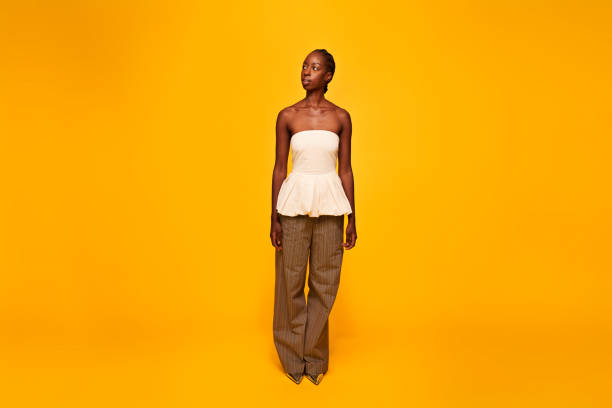
Remember when you’d scroll through old Tumblr accounts and see that girl in the white Equipment silk blouse, high-waisted 7 For All Mankind jeans, and a pair of Golden Goose sneakers that looked like she’d actually walked through a hurricane? Yeah, that vibe is back—but not in the way you think. We’re not talking about resurrecting the exact same outfit, but about realizing that the core pieces from the 2010s minimalist era are basically the hidden stockpile of future vintage gold. And if you’re still sleeping on that era because you think it’s “basic” or “too plain,” it’s time to wake up and start scouring The RealReal before everyone else catches on.
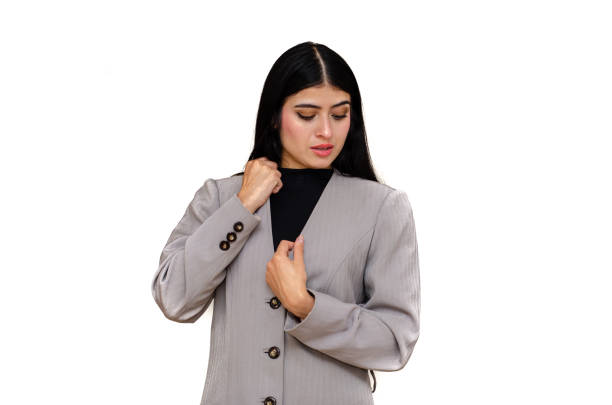
The 2010s gave us a specific kind of quiet, unbothered aesthetic. Think Céline under Phoebe Philo—those clean lines, those midi skirts that hit exactly at the right place, the oversized blazers that draped instead of screamed. Think Acne Studios’ leather jackets with the smudged satin lining, and the original Rag & Bone cashmere tees that felt like butter but cost a whole paycheck. At the time, we called it “effortless.” Fast forward to 2026, where the pendulum has swung hard from chaotic Y2K micro-minis and chunky platform sneakers, and suddenly that 2014 capsule wardrobe looks like the ultimate flex. It’s quiet luxury before the term “quiet luxury” got overplayed on TikTok. It’s the kind of piece that whispers “I have taste and I’m not trying to prove it,” which is exactly what the balling-on-a-budget girlie wants to radiate.
Here’s why buying into 2010s minimalism as an archive move pays off. First, the supply. All those 2015-era Reformation dresses, those Aritzia Wilfred blouses, the Madewell transport bags, the Everlane cashmere that was actually good before they changed factories—they’re flooding the secondhand market right now because people are still clinging to their early-aughts maximalist phase. They’re selling these pieces for cheap. Like, you can snag a barely worn Céline Micro Luggage for under a thousand if you hunt, whereas a new logo-heavy bag from a trendy house will run you double that and depreciate the second you take it out of the box. The 2010s pieces had construction. They had fabric weight. They had that specific Italian or Japanese denim that actually holds its shape. That’s real longevity, not just aesthetic.
Second, the cultural shift. Right now, the vibe shift is leaning into subtle, unlabeled luxury. The quiet girl aesthetic is basically the 2014 minimalist wardrobe with a 2026 filter slapped on. But the difference is that back then, these pieces were considered “affordable luxury” or even “fast fashion but make it look expensive.” Today, they’re becoming archival because the brands themselves have changed. Reformation went viral and started using cheaper fabrics. Aritzia raised prices and lowered quality. The Row? Still the Row, but now it costs a mortgage payment. So the versions from that golden era (roughly 2012 to 2018) are actually superior in quality to what you can buy new at the same price point. That’s the definition of a smart archive buy.
And let’s talk about the “payoff” part. The 2010s minimalist pieces are going to appreciate in value as the next cycle of fashion nostalgia hits. Think about it: in 2026, we’re already seeing the 2000s Y2K come back, then the 1990s grunge, and now the 2010s is the next decade due for a revival. The kids born in 2000 are turning 26—they didn’t live through the Paris Hilton era, but they remember the “normcore” and “effortless” looks from their teenage years. That’s the sweet spot for archival buying. The pieces that are currently underpriced because they’re “not old enough” to be vintage will skyrocket once the next generation decides they want their childhood aesthetic back. And because the 2010s minimalism was so heavily dependent on cut, fabric, and proportion rather than logos, those pieces are harder to replicate convincingly. A fast fashion brand can copy a logo tote, but they can’t copy the drape of a 2014 The Row coat without spending that money.
So what should you be hunting? Look for anything with a clean silhouette, neutral tones, and a label that was at the peak of its “quiet excellence” phase. Think old Céline, old Acne Studios, early Reformation, pre-Ralph Lauren Club Aritzia, and especially the early days of Staud, which started as a minimalist bag brand. Also don’t sleep on the 2015-era COS—those blazers are literally timeless. If you find a piece that still has its tags, grab it. If it’s got a slight pilling or a loose button, it’s still worth it because a good tailor can fix it for twenty bucks. The key is to buy the quality, not the hype. And the best part? You don’t have to drop influencer-level money. The RealReal, Poshmark, Depop—those sites are loaded with 2010s minimalism that sellers are dumping because they think it’s “outdated.” Let them sleep. In a year or two, that white silk blouse you got for forty dollars will be the centerpiece of your archive, and everyone will ask where you found it.
The future vintage game isn’t about the loudest piece in the room. It’s about the piece that everyone overlooked because it was too quiet. And 2010s minimalism? It was the quietest of them all. Now it’s ready to cash in.
Articles