
The 2014 Stretch Boot: Why Your Inner-Phoebe Philo Era Is Now a Future Vintage Flex
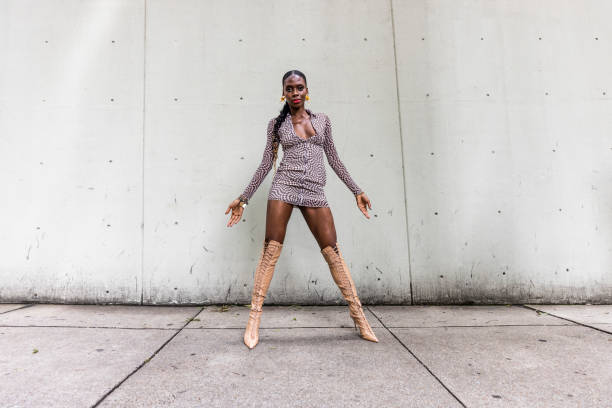
Okay, let’s talk about the boot that is quietly holding the entire fashion economy hostage right now. You know the one. It has the pointed toe, the almost-offensive lack of a visible platform, and that stretchy, second-skin shaft that makes your ankle look like it was drawn by a minimalist architect. If you thrifted one in 2019 for forty bucks, congrats, you are basically sitting on a low-key retirement fund. But if you are currently doom-scrolling through Vestiaire Collective and seeing these listed for north of three hundred dollars, you are already witnessing the future vintage payoff that everyone slept on.
Here is the thing about the 2010s. We were too busy living in it to realize we were curating a museum. That entire era of Phoebe Philo for Céline, of the clean-line, architectural minimalism that made Jil Sander feel like a rockstar, that was not just a trend. It was a blueprint for what is now the most sought-after aesthetic in the archival game. The stretch boot, specifically the ones from Acne Studios or the vintage Céline line, is the perfect case study in why the stuff your older sister donated to Buffalo Exchange in 2016 is now a screaming buy.
Think about the silhouette. It is the anti-boot of 2023. When chunky lug soles and platform Crocs were taking over, the 2014 stretch boot was doing the absolute opposite. It was disappearing onto your foot. It was a whisper, not a scream. And that is exactly why, in 2026, it is the loudest flex you can make. The market has swung back hard toward quiet luxury and stealth wealth, but the real ones know that true stealth is not about buying a new Loro Piana sweater. It is about finding a deadstock pair of boots from ten years ago that look like they fell out of a time capsule from the future. The 2010s minimalism era was obsessed with quality of cut, with the tension between hard sculpture and soft fabric. That leather. That stretch panel that somehow never bagged out. That is craftsmanship that the fast fashion dupes could never touch.
And here is the real tea: this is not just about looking cool. It is a financial strategy. The young millennial and elder Gen Z crowd that came of age with Tumblr moodboards and the RealReal app learned a hard lesson. When you buy into a trend that everyone is wearing, you pay full price and get zero resale. But when you identify an archival moment early, you play the long game. The 2010s stretch boot is that moment. It is a piece that does not scream “I am wearing a costume.“ It whispers “I knew before you knew.“ It gives that effortless Brooklyn boho energy because it works with everything. Throw it under a flowing, tiered skirt from Free People and you get that art-school-on-a-budget vibe. Pair it with a pair of high-waisted, perfectly destroyed denim and a vintage band tee, and you are basically a walking Pinterest board for the girl who wants to look like she spends her Sundays at the Smorgasburg flea market but actually has a mint condition 401k.
The beauty of this specific archival hunt is that it is still accessible if you are balling on a budget. You just have to be smart. The big-name brands are already priced out for the casual shopper, but the white-hot heat of the trend is still warming up the second-tier players. Look for the diffusion lines, the early 2010s labels that were trying to copy the Céline formula. Brands like A.P.C., Sandro, Maje, and even the better Zara collaborations from 2014 are floating around on Depop for reasonable prices if you dig. The key is to look for that specific silhouette. The pointed toe with a slight almond shape, the block heel that is no higher than three and a half inches, and a shaft height that hits right at the ankle bone. That is the sweet spot.
What makes this a true future vintage purchase is the narrative. When you wear a 2014 stretch boot in 2026, you are not just wearing a shoe. You are wearing a reaction. You are rejecting the “more is more” maximalism that dominated the early 2020s. You are signaling that you understand the value of a capsule wardrobe, of building a look that can weather a decade without looking dated. It is the ultimate wardrobe flex. And the best part? That boot has already proven it can survive. It survived the platform era, the combat boot revival, and the cowboy boot wave. It sat patiently on a shelf, waiting for the pendulum to swing back. And now it is here, ready to be your new daily driver. Go find your pair before the algorithm catches up.