
The Art of Mending: Why Repair Is the Ultimate Flex for Your 2026 Closet
Let’s be real for a second. You’ve got that one pair of jeans—the vintage 501s that fit like they were poured onto your body, the ones you snagged at a Brooklyn flea for twenty bucks and have worn through three seasons of iced oat lattes, subway rush hours, and rooftop hangs. And now there’s a small hole near the inner thigh, or the hem is starting to fray, or a button is hanging on by a thread thinner than your patience after a long week. The old you might have tossed them into a donation bin, told yourself they had a good run, and immediately opened seventeen browser tabs searching for a replacement. But it’s 2026, and we are not that girl anymore.
Welcome to the main character energy of closet circularity, where mending isn’t a chore—it’s a core part of your aesthetic. Repair culture is having a major moment, and for anyone who vibes with that Brooklyn-meets-boho, upscale-but-making-it-work energy, learning to fix your own clothes is the ultimate flex. It is thrifty, it is intentional, and honestly? It looks fire.
Think about it. Fast fashion’s chokehold on our generation has loosened, not because we don’t love a good deal or a trend, but because we have collectively realized that the thrill of a new Shein haul lasts about as long as the glue on a Zara blazer. The high of buying something new is fleeting, but the satisfaction of saving something old? That hits different. And when you are balling on a budget but still want to look like you just walked out of a Free People lookbook, repair is the secret weapon that your wallet and your closet both need.
Mending is not about making your clothes look like they survived a brutalist art project (unless that’s your vibe, no judgment). It’s about adding personality. A hand-stitched patch over a worn-out elbow on a chunky knit cardigan gives off serious cozy, curated energy. A visible mend using contrasting thread—like a bright burnt orange or a soft sage green on a pair of dark wash denim—tells people you care about your pieces. It is storytelling. It says, I love this garment enough to keep it alive. That is so much more interesting than walking into a room wearing the same Reformation dress as three other girls.
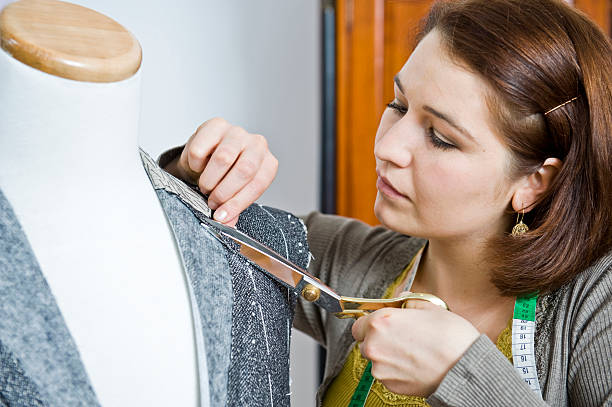
The trick is to start small. You don’t need a full sewing studio or the skills of your grandmother. Grab a needle, some thread that looks cute against the fabric, and watch a ten-minute tutorial on YouTube. That loose button on your favorite linen shirt? Five minutes, and you have saved yourself a trip to the consignment store. A small tear on a vintage slip dress? A simple ladder stitch, and it’s back in your rotation for brunch. Every repair is a small rebellion against the culture of disposability. It is a way of saying, I respect my money, and I respect the planet.
And let’s talk about the planet, because that is the underlying vibe here. Textile waste is a massive issue, and the most sustainable garment is the one that already exists in your closet. By mending, you are directly reducing the demand for new production. You are keeping that perfectly worn-in fabric out of a landfill. You are honoring the energy and resources that went into making it in the first place. It is quiet activism, and it looks good.
Plus, there is a deeply satisfying, almost meditative quality to the act of repair. In a world that is constantly screaming for your attention, sitting down with a piece of clothing and fixing it with your own hands is a form of self-care. It grounds you. It reminds you that you are capable. And when you put that mended piece back on, you wear it differently. You hold your head a little higher because you know you did that.
So before you toss that ripped corduroy jacket or that blouse with the stubborn stain, pause. Ask yourself if it can be reborn. Add a cool patch. Dye it a new color. Take in the waist. Let your clothes evolve with you. This is the core of closet circularity: a loop that keeps moving, keeps spinning, keeps your style fresh without needing to start from scratch every season. Your 2026 self will thank you. And so will the planet.
Articles