The Art of the Imperfect: How Deconstruction is Rewriting Streetwear in 2026
Let’s be real for a second—perfection is played out. That hyper-manicured, Instagram-grid-obsessed aesthetic we all tried on for size in our early twenties? Exhausting. What’s hitting different in 2026 is the opposite: raw, unfinished, and unapologetically intentional. We are deep in the era of elevated grunge, where looking like you just rolled out of a Bushwick studio and into a gallery opening is the ultimate flex. The expression? Deconstructed tailoring. It’s the sartorial equivalent of an organized chaos that screams I know exactly what I’m doing, even when it looks like I don’t.
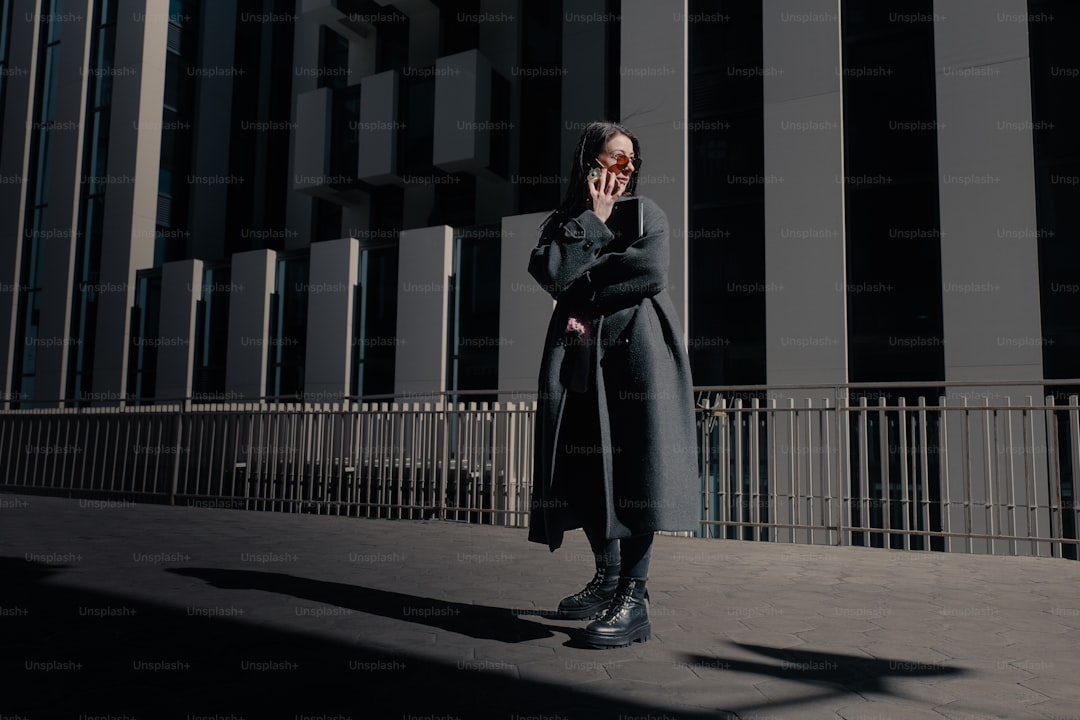
Think of it as the punk cousin of that vintage blazer you thrifted from a random bin in Greenpoint. You know the one—the shoulder pads that give you that little bit of power energy, but the hem is raw, the lining is hanging out like a secret, and maybe one sleeve is cuffed while the other falls long. That’s the vibe. Deconstructed tailoring takes the rigid structure of traditional suiting and literally pulls it apart at the seams, creating something that feels both intellectual and effortless. It’s the uniform for the girl who has a 9-to-5 that she’s half in love with but also has a pottery class at 7 PM and a party in a loft in Bed-Stuy later that night.
For the girl balling on a budget but with the taste of someone who reads Vogue while scrolling Depop, this trend is a goldmine. You don’t need to drop rent money on a designer blazer that’s been intentionally shredded. You just need a pair of scissors, a steady hand, and the courage to cut into that thrifted Brooks Brothers jacket you scored for fifteen bucks. The key is to look for pieces with good bones—real buttons, sturdy shoulder pads, a nice weight to the fabric—and then subvert them. Snip the hem of the sleeves. Pull a few threads from the collar. Let the back lining peek out. It’s not about destroying the garment; it’s about exposing its architecture, showing the world the skeleton that makes it beautiful.
The styling is where the magic happens, and this is where the Brooklyn/Boho energy really glows. Take that deconstructed blazer and throw it over a sheer, flowy boho dress with some chunky platform loafers or a beat-up pair of Sambas. The contrast is everything—structure versus fluidity, hard versus soft, dark versus light. You’re creating a dichotomy that feels inherently now. It’s not flashy; it’s a quiet signal that you understand the assignment. A pair of wide-leg trousers with an exposed zipper and a raw, unfinished ankle can be worn with a simple knit tank and some layered silver chains. The fit itself does the talking.
There’s also a deep sustainability angle that resonates with the fast-fashion-but-make-it-conscious crowd. Deconstructing and reworking existing pieces is the ultimate upcycle. You are literally taking something that was destined for a landfill or a random rack and giving it a second life. It’s the antithesis of the perfectly packaged drop—this is about personal curation. You become the designer. That raw edge isn’t a factory defect; it’s a mark of your own hand. It’s the same energy as cutting up a vintage tee or distressing your own denim, but elevated. It’s more refined chaos. It’s a blazer that looks like it survived a night of dancing and a morning of deep thinking.
Accessories should be kept rugged and real. A beat-up leather crossbody, chunky silver rings, maybe a pair of sunglasses that are slightly scratched. You don’t want to look precious. You want to look like your style has lived a little, that your clothes have stories that aren’t just from a product description page. The ultimate goal is to have someone look at your fit and wonder, Did she buy that like that, or did she do it herself? That uncertainty is the currency of cool. Deconstructed tailoring isn’t just a trend—it’s a mood. It’s the 2026 anthem for the girl who is tired of following the rules and ready to write her own, one raw hem at a time.
Articles