The Art of the Mend: Why Your Favorite Thrift Find Deserves a Second (and Third) Act
You know that feeling when you score a vintage Free People knockoff at the flea market for fifteen bucks, only to realize the seam is splitting under the arm or the hem is dragging on the subway floor? In the old days, that was a sign to re-donate or toss it into the dark abyss of a textile recycling bin. But here’s the thing about 2026: we are done pretending that buying a new, cheaply made replacement is the only move. The real flex right now is regeneration. Not just recycling, not just thrifting, but actually regenerating the life cycle of every single piece in your closet so that nothing ever really dies. It’s the Brooklyn-Boho way: vintage soul, modern practicality, and a zero-waste heart that doesn’t break your bank account.
Regenerative wardrobes sound like some high-fashion, Silicon Valley concept, but honestly, it’s way more intuitive than you think. It’s about taking that one-of-a-kind secondhand tee that you got from The RealReal or a local thrift run and giving it a whole new era of existence. Think about it: every time we buy a new piece from a fast fashion giant, even an “upscale” one, we are essentially funding more waste. But when you take that slightly worn blazer from the 90s and you swap out the buttons, shorten the sleeves, or even dye it a deep forest green? You’re not just keeping it out of a landfill. You’re creating a custom piece that no one else on the planet has. It’s not about having a huge wardrobe; it’s about a highly intentional, high-vibration one.
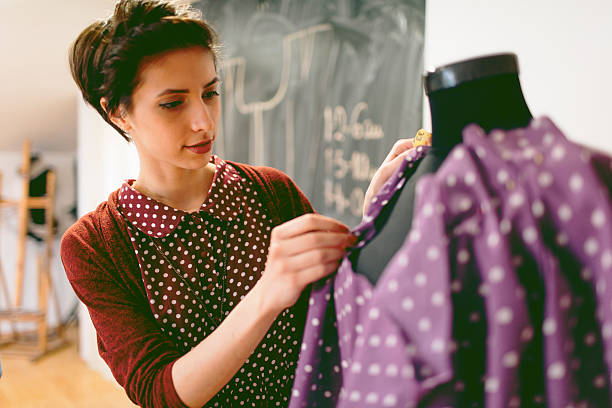
The secret sauce here is that regeneration doesn’t require a sewing machine or a degree in textile engineering. It’s about a mindset shift. Instead of looking at a rip as a disaster, look at it as a design opportunity. That tiny hole in your favorite boho crop top? That’s an invitation for a visible mend. Grab some contrasting embroidery floss in a bright peach or electric blue and stitch a little star or a flower over the tear. Suddenly, your accidental damage is the most interesting part of the outfit. This is the exact aesthetic that makes FreePeople pieces look so expensive in the first place; they sell that “hand-done” look for a hundred bucks. You just did it for the cost of a thrifted top and a dollar worth of thread.
Let’s talk about the actual hack that makes regeneration stick for the balling-on-a-budget girlie. It’s called the “three-wear rule with a twist.” Before you even consider buying something new, you have to give your current pieces three distinct wears in a different context. That oversized linen dress you wore to brunch? Try belting it and wearing it as a duster coat over jeans. That plain cotton tank that lost its shape? Cut the straps, tie the bottom, and wear it as a headwrap or a baggy tube top. Regeneration is about reimagining the function of a garment. When you run out of ideas, then you bring out the needle and thread or the fabric scissors. You are not just a consumer anymore; you are the designer of your own closet ecosystem.
For the upscale 18 to 30 crowd, this is also a major flex for your wallet. Instead of dropping fifty bucks on a trendy one-season piece that will look dated by summer, you are investing five dollars in a vintage find and fifteen minutes of your time. The result is a piece that feels rich, unique, and deeply personal. It’s the anti-haul energy that the climate actually needs, but it feels good because it looks amazing. Plus, the more you regenerate, the more your clothes develop a patina of personal history. That faded denim jacket with the hand-stitched elbow patches tells a story. That skirt you dyed in your kitchen sink with turmeric and avocados? That’s a conversation starter. You are curating a library of your own creative decisions, not just a shopping cart of mass-produced trends.
The bottom line is that regeneration is the ultimate form of self-expression in a world drowning in sameness. It’s the punk rock ethos of making do and making it better, but with a boho, earthy finish. So next time you find a piece you love but it’s a little tired, a little torn, or a little too last season, don’t let it go. Mend it, dye it, cut it, re-love it. That is the truest definition of staying in style for 2026. The future of fashion is not about what you acquire. It’s about what you are brave enough to resurrect.
Articles