The Art of the Swap: Rotating Your Wardrobe Without Breaking the Bank
Standing in front of a stuffed closet, feeling like there is absolutely nothing to wear, is a universal mood. You’ve got racks of garms, drawers of accessories, yet every outfit feels like a rerun. The magic just isn’t hitting. That floral midi? Brunch energy, but it’s been three times. The leather jacket? Peers are doing it better. And TikTok keeps serving up these dreamy boho layers that scream Brooklyn autumn. But here’s the secret: the next favorite piece you own isn’t waiting in some checkout line. It’s hanging in your bestie’s closet, or your roommate’s, or that ethereal girl from your Pilates class. Welcome to the art of the clothing swap, the ultimate sustainable style hack that keeps your closet circular and your bank account intact.
Sustainable fashion often gets a bad rap for being preachy or pricey. You picture minimalist influencers in $400 linen pants telling you to feel guilty about your last Zara order. But closet circularity is the chill, relatable sibling of that movement. It’s not about buying less or being perfect. It’s about reimagining how clothes flow through your life. Instead of letting pieces sit unworn or end up in a landfill, you circulate them through swaps, restyles, and repairs. Think of it as a group project for your wardrobe. Everyone brings their gently loved treasures, and everyone leaves with a fresh perspective. It’s social, it’s budget-friendly, and it perfectly fits that upscale-but-ballin-on-a-budget vibe of someone who loves designer resale sites but still splurges on oat milk lattes.
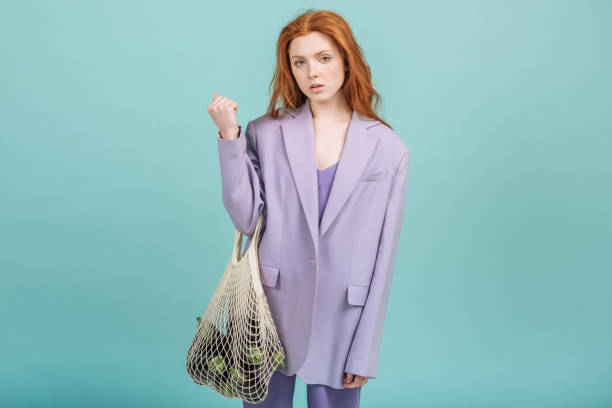
The key to a successful swap is treating it like a curated event, not a free-for-all. Gather your people, set the mood with some lo-fi beats and a candle that smells like sandalwood, and establish a golden rule: only bring pieces you would genuinely be hyped to see your friend wearing. Nobody wants your mystery stains or that sweater with the weird pilling. The real magic happens when everyone curates with intention. One girl’s impulsive corduroy bucket hat becomes another’s statement piece. That oversized linen blazer you thrifted but never wore? It’s the exact layering vibe your friend has been hunting for months. You’re not just decluttering, you’re redistributing joy. Watching a coat you once loved get adopted by someone who will actually wear it into the ground is deeply satisfying. It’s like your clothes get a second life, and you get to be the matchmaker.
But swapping is just one layer of the circular closet pie. The real hacker move is learning to finesse what already lives in your wardrobe. That boring black dress? Crop it into a chic top. Those wide-leg jeans that puddle awkwardly? Hem them with a frayed edge and boom, instant summer core. Patching a hole with a colorful embroidered sunflower doesn’t just save the garment, it gives it that Brooklyn-boho soul that no fast fashion dupe can replicate. When a piece is truly beyond saving, upcycle it into a tote bag, a pillow cover, or even a fun headband. Every single time you extend a garment’s lifespan, you’re keeping it out of a landfill and keeping your personal style uniquely yours.
The circular closet is also deeply communal. Swapping with friends builds a shared wardrobe that sparks creativity and conversation. You start seeing clothes not as frozen possessions but as ongoing collaborations. That dress your bestie wore to your birthday dinner? It’s now your go-to for first dates. That vintage jacket you found at a flea market? It’s making rounds through the whole group, each person adding their own spin. This isn’t just sustainable, it’s relational. It’s about uplifting each other’s style journeys without judgment, celebrating the reuse of beautiful things, and remembering that fashion choices don’t have to cost the Earth.
So the next time that “nothing to wear” panic hits, resist the urge to open fifteen fast fashion tabs. Instead, text your crew, plan a swap, and bring your best energy. The circular closet is the ultimate glow-up for your wallet, your wardrobe, and the planet. It’s a whole mood, and honestly, it’s the only trend worth catching in 2026. Staying in style was never about owning more. It’s about loving what you have, and letting it love someone else next.
Articles