

The Art of the Swap: Why Clothing Exchanges Are Your Go-To Regenerative Wardrobe Move
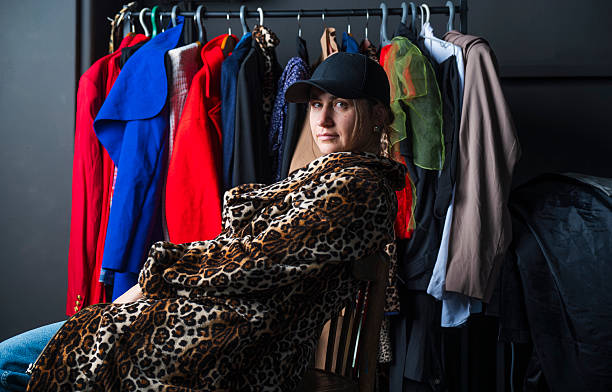
You know that feeling when you’re staring into a closet full of clothes but have nothing to wear? It’s a whole mood—and a whole problem. We’ve all been there, refreshing Depop at 2 a.m. or doom-scrolling through Zara’s sale section, convincing ourselves that one more polyester bodysuit is the answer. But here’s the tea: the real flex in 2026 isn’t a new haul—it’s a swap. I’m talking about clothing exchanges that let you refresh your fit without dropping a bag or trashing the planet. This is regenerative wardrobe energy, and it’s low-key the most Brooklyn-Boho move you can make.
Let’s be real: “sustainable fashion” has become a buzzword that gets thrown around faster than a Shein order. But the concept of a regenerative wardrobe goes beyond just buying less or recycling—it’s about actively restoring and renewing what’s already in circulation. Think of it like soil health for your closet. Instead of depleting resources (fast fashion’s whole vibe), you’re feeding the system by keeping garments alive, loved, and in rotation. And swapping? That’s the ultimate soil amendment.
Picture this: you, your besties, and a pile of gently loved pieces—maybe that Reformation dress you wore once to a rooftop party, or those vintage Levi’s that are a little too high-waisted for your current mood. Everyone brings five to ten items that still have life in them, and you all trade like it’s a boutique where the currency is trust and good taste. No cash, no guilt, just pure secondhand serotonin. It’s basically The RealReal meets a house party—but with zero markup and maximum community vibes.
Why does this hit different for the balling-on-a-budget queen? Because swapping is access. You can snag a Free People lace top or a leather tote that would normally cost half your paycheck, all for the price of letting go of something you don’t wear anymore. And in a world where “de-influencing” is trending and everyone’s tired of haul culture, swapping feels like a cheat code. You’re not just saving money—you’re rejecting the idea that newness has to come from a factory. Instead, newness comes from your friend’s closet, and that’s way more personal.
But let’s get into the regenerative part. When you swap, you’re literally extending the lifespan of a garment. The average piece of clothing is worn only seven to ten times before it gets tossed or forgotten. By swapping, you’re giving that item a second (or third) act. You’re also cutting down on the demand for virgin resources—cotton, water, synthetic fibers—that go into making new clothes. Even if you’re not a hardcore eco-warrior, that math just makes sense. And for the Brooklyn/Boho girlies who love a thrifted find, swapping is like curating your own personal vintage shop without the hours of digging through dusty racks.
Plus, there’s a social layer that makes it feel less like consumption and more like connection. Hosting a swap party is an event. You get snacks, you try on fits together, you hype each other up when someone finds that perfect oversized blazer. It’s the opposite of the lonely scroll—it’s real life, real style, real community. And in 2026, that’s the ultimate vibe shift. We’re moving away from “I need to buy this to feel good” and toward “I already have what I need, and sharing makes it better.”
A few tips if you want to level up your swap game: don’t bring items that are trashed. Stains, holes, pilling—leave those for trash or upcycling. Aim for pieces that are clean, cute, and still have life. And be open-minded. The magic of a swap is that you might walk away with something you would never have picked off a rack—a boho maxi skirt from a friend’s vacation, a chunky knit that gives cozy cottagecore, a bag that screams “I went to a flea market in Williamsburg.” That’s how you build a regenerative wardrobe: one unexpected, shared treasure at a time.
So next time you feel the itch to click “add to cart,” think about organizing a swap instead. Your closet gets a rebirth, your wallet stays thick, and the planet gets a break. It’s sustainable style that actually gives back—and that’s the kind of slay we all need.
Articles