The Art of the Thrift Flip: Turning Vintage Finds Into Your Signature 2026 Look
Let’s be real: your wardrobe has a personality of its own, and it’s definitely not a one-hit wonder. The whole “buy, wear, donate, repeat” cycle is so last season. If you’re riding that Brooklyn/Boho wave—stacking vintage rings, layering oversized linen blazers over slip dresses, and hunting for that perfect pair of worn-in Levi’s—you already know the real flex isn’t dropping a bag on a new haul every month. It’s making what you already own (or what you dig out of a dusty bin at your local thrift) feel like it walked straight off a FreePeople campaign for 2026. That’s where the thrift flip comes in, and honestly, it’s the most sustainable power move in your closet circularity playbook.
Thrift flipping isn’t just about saving money—it’s about hacking your style so you look like a million bucks while spending maybe twenty. Think of it as the ultimate upcycle: you take something that’s been around the block, give it a new attitude, and suddenly it’s the hero piece of your entire rotation. And the best part? You don’t need a sewing machine or a degree in fashion design. You just need a little vision, a couple of basic tools, and the willingness to say “I can make that way cuter.”
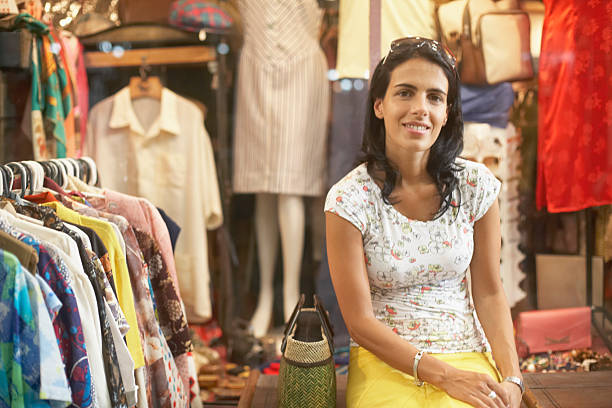
Start with the hunt. Hit your local thrift, your favorite Depop seller, or even a stoop sale in your neighborhood. Look for pieces with good bones—classic silhouettes, natural fibers like linen or cotton, maybe a funky print that’s just a little too 80s for its own good. The goal is to spot potential, not perfection. That oversized denim jacket with the weird shoulder pads? Scoop it up. Those high-waisted trousers that are two sizes too big? They’re begging to be taken in. That plain white tank top with a weird neckline? It’s a canvas waiting for a bleach tie-dye or a lace trim upgrade.
Once you’ve got your treasure, it’s time to make it yours. For absolute beginners, the easiest flip is a simple alteration. Hemming a pair of jeans or shortening a dress can completely change the vibe. You don’t even need a sewing machine—hem tape works, or you can learn a basic running stitch on YouTube in ten minutes. If you’re feeling bolder, grab some fabric scissors and start cropping. Crop a baggy sweater into a boxy tee, cut the sleeves off that 90s blazer to make a vest, or turn a maxi skirt into a mini that shows off your platform boots. The beauty of thrift flipping is that failure is practically impossible—if you mess up, you’ve only lost a few bucks, and you can always repurpose the fabric into patches or scrunchies.
For a more advanced move, try embellishment. That thrifted denim jacket is screaming for some personal flair. Add patches from your favorite bands, embroider a small flower on the collar, or sew on some vintage buttons you found at an estate sale. If you’re into the Boho aesthetic, think lace trim, crochet details, or even a few hand-stitched beads. The key is to make the piece feel intentional, not random. You’re not just wearing clothes—you’re wearing stories that you’ve rewritten.
And don’t sleep on the power of dye. That faded black dress that’s been sitting in your closet since your cousin’s wedding? A bottle of Rit dye in deep forest green or indigo blue will turn it into your new go-to for brunch dates and gallery openings. Tie-dye is still having a moment, but try a shibori technique for a more elevated, textural look that screams 2026. Pro tip: always test a small hidden area first, and wear gloves unless you want hands that look like a Smurf.
Now, the real secret sauce of closet circularity is knowing when to let go. Thrift flipping isn’t just about keeping pieces forever—it’s about extending their life so someone else can enjoy them next. Once you’ve rocked your flip for a season or two, consider re-donating it or selling it on The RealReal (if it’s a brand that holds value) or on Depop or Poshmark. The goal is a closed loop: you buy secondhand, you flip it, you wear it, you resell it, and the cycle continues. That’s the definition of sustainable style that doesn’t feel like a chore.
In 2026, the hottest accessory isn’t a designer bag or a limited-edition sneaker drop. It’s the confidence of knowing you made something uniquely yours. So grab a pair of scissors, a needle and thread, and your favorite thrifted find. Your wardrobe is about to get a major glow-up—and the planet will thank you too.
Articles