The Barefoot Sneaker Revolution: Why 2026 Is the Year of Grounded, Chic Kicks
Let’s be real—your feet have been lying to you for years. That narrow-toed, heel-elevated sneaker you’ve been squeezing into for the sake of a cute silhouette? It’s gaslighting your arches, sis. Welcome to 2026, where the quietest flex isn’t a logo or a limited drop—it’s the way your toes can splay naturally while you still look like you just stepped off a cobblestone street in Williamsburg. Barefoot sneakers are having their main character moment, and the Brooklyn/Boho crew is leading the charge. Think less “granola running shoe,” more “effortlessly cool, thrifted Free People vibe but make it functional.”
The barefoot shoe revolution isn’t actually new—minimalist brands like Vibram FiveFingers and Xero have been around for over a decade, mostly loved by podiatrists and ultramarathon weirdos. But what’s shifted is the aesthetic. Now, brands are ditching the amphibian-looking toe socks in favor of sleek, low-profile silhouettes that actually coordinate with a flowy maxi skirt or a pair of wide-leg linen trousers. The key? A wide toe box that lets your toes breathe (no more pinky toe crying inside a tight Adidas), a zero-drop sole that keeps your heel and toe level, and a thin, flexible outsole that lets you feel the ground—literally grounding your outfit and your nervous system at the same time.
For the girl whose wardrobe is a curated mix of RealReal vintage blazers, crochet tops from a Brooklyn flea market, and those $12 polyester cargo pants she found on Depop, barefoot sneakers are the missing link. They bridge the gap between “I’m a thrift queen” and “I care about my long-term foot health, no cap.” Because let’s be honest—you can only wear platform Dr. Martens for so many subway commutes before your plantar fascia starts sending you angry DMs. Barefoot sneakers give you that grounded, witchy earth-energy without looking like you’re about to lead a forest meditation retreat. Pair them with an oversized denim jacket, a silk slip skirt, and a chunky silver necklace, and suddenly you’re giving “cool art school girl who also does yoga on a rooftop.”
Budget is the real plot twist here. The original barefoot niche brands like Vivobarefoot can run you $150–$200, which is not exactly balling-on-a-budget territory. But fast fashion and secondhand marketplaces have stepped up. Amazon is flooded with $40–$60 dupes from random Chinese sellers that mimic the wide-toe, zero-drop look perfectly. Plus, The RealReal is starting to stock more minimalist sneakers from brands like Lems and Groundies as people clean out their closets in favor of the newer, trendier styles. A quick thrift flip—swap the laces for something chunky or tie them with a macrame cord—and you’ve got a pair that looks bespoke. It’s underconsumption core meets quiet luxury: invest in your foot mechanics, but don’t let anyone see you sweating the price tag.
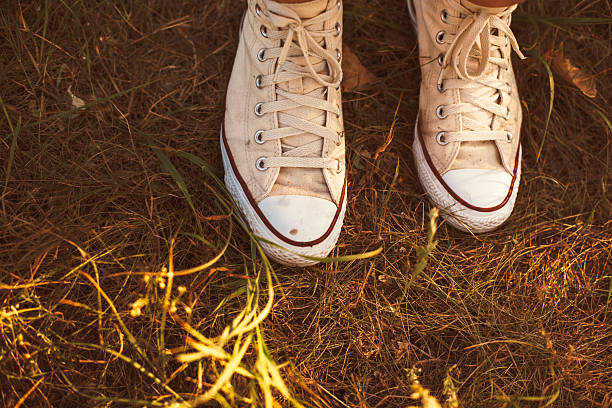
Styling barefoot sneakers for the Brooklyn/Boho aesthetic is all about contrast. You want the shoe to feel intentional, not like you just rolled out of a CrossFit box. Go for a muted color palette—oatmeal, taupe, dirty white, terracotta—colors that blend with the earth and your thrifted linen haul. Pair them with a midi dress that has a dropped waist, a crochet shrug that looks like your grandma made it from a 1970s pattern, and a leather tote that’s clearly been loved (and maybe has a pen stain inside). The barefoot sneaker whispers, “I am comfortable, I am free, and I am also pulling off this demure, Victorian-girl-meets-Carrie-Bradshaw look.”
And can we talk about the sustainability angle? In 2026, the “barefoot but make it fashion” trend aligns perfectly with the slow-fashion, capsule-wardrobe mindset. A single pair of minimalist sneakers can replace three different shoes: your workout sneakers, your travel sneakers, and your “I want to look cute but not try too hard” sneakers. Plus, because the soles are thinner and the construction is simpler—less foam, fewer synthetic layers—these shoes are actually easier to recycle or resell when you’re done. It’s a vibe that says you care about the planet and your plantar fascia in equal measure. Chef’s kiss.
The real reason barefoot sneakers are blowing up in 2026, though, is that they tap into a deeper cultural shift. Gen Z and young Millennials are exhausted by the hyper-curated, always-on, foot-punishing fashion of the 2010s. Platforms this year are slowly getting lower, silhouettes are getting looser, and the whole “pain is beauty” thing is finally getting side-eyed. Barefoot sneakers are the ultimate low-commitment rebellion: you get to look intentional while feeling like you’re walking on a cloud made of eco-friendly rubber. It’s not no pain, no gain—it’s no pain, more gain, especially when your outfit already slays.
So go ahead—ditch the narrow Nikes, stop cramming your feet into heels that belong in a museum of torture devices, and step into 2026 with toes that can actually see the light of day. Find a pair of barefoot kicks that match your aesthetic, thrift them for under $50, and wear them with everything from a silk robe to a cargo jumpsuit. Your feet will thank you, your arch support will finally stop ghosting you, and your fit will be giving main character energy in the most grounded way possible. This is footwear forward, baby. No cap.