

The Comeback Champ: Why Your Next Main Character Energy Fit Is Hiding in a Swap
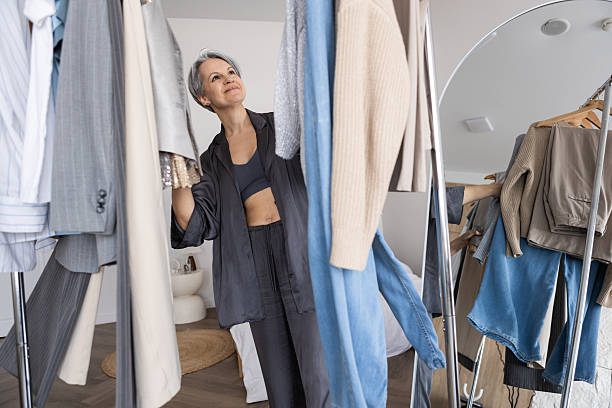
Let’s be real for a second. Your closet is probably giving mixed signals. You’ve got that one Free People boho maxi you snagged for a steal, but you’ve worn it to brunch three times this month. You have a vintage denim jacket that you constantly gatekeep, and a pile of Zara tops that you bought during a late-night doom scroll that basically scream “I had no idea where I was going.” Sound familiar? In 2026, we aren’t just thrifting or renting anymore. We are leveling up to the real glow-up: the curated clothing swap. But not the sad, dorm-room version where you trade a stained tee for a cropped sweater that smells like patchouli and regret. We’re talking about the Regenerative Wardrobe, baby.
Think of it as the ultimate fast-fashion cheat code that actually gives back to the planet. It isn’t just about recycling your clothes (that’s so 2023). Regenerative wardrobes are about refreshing, upgrading, and injecting new life into your rotation without hitting “add to cart” or draining the bank account you saved for that trip to Tulum. It’s the baller-on-a-budget move that separates the style havers from the style posers.
So how do you actually pull this off without looking like you raided a grandmother’s estate sale? It starts with the vibe check. The key to a successful swap isn’t just the clothes you bring; it’s the curation. You need to bring pieces that have earned their keep but no longer fit your main character aesthetic for 2026. That velvet corset top you wore to one rave? That Uniqlo cashmere blend that pilled after one wash? Those are trade gold. But you can’t just dump a garbage bag of old Forever 21 crop tops and expect to walk away with a pair of high-waisted Rag & Bone trousers. You have to treat your donation pile like a mood board. Look for potential. Look for fabric quality. Look for silhouettes that are trending—think relaxed tailoring, oversized blazers, slip dresses, and chunky knits that scream “quiet luxury but make it thrifted.“
Here is the real hack, though. The energy of the swap should feel like a high-end boutique shopping spree, but with your besties and their besties. Set the scene. Light a candle that smells like Santal 33. Make a playlist that transitions from Lana Del Rey to Kacey Musgraves. Break out the matcha and maybe some canned wine. You want the kind of Brooklyn boho loft energy that makes everyone feel like they are styling a spread for a niche aesthetic TikTok. When the energy is right, people are more generous. They won’t just hand over their old stuff; they will actually style you. Your girl will hold up a sheer Maje blouse and a leather mini skirt and go, “This is giving Stevie Nicks on vacation in Rome,“ and suddenly you have a rent-free outfit for the entire season.
But sustainability isn’t just about saving money. It’s about rewriting the fast-fashion narrative. Every time you swap instead of buying new, you are killing two birds with one stone. You’re saving that piece from a landfill, and you are saving your wallet from that inevitable $10 shipping fee and the guilt of a purchase you might return anyway. It’s regenerative because the clothes get a second life, and your personal style gets a new lease on life. You stop buying fast fashion out of boredom and start shopping from your community.
Also, this is the 2026 way to find that elusive “vintage find” clout. You can’t just go to Depop and filter for “Y2K” anymore. The bots are too fast, the prices are too high, and the shipping is a nightmare. But at a real-life swap? You can touch the fabrics. You can smell the wool. You can see how the light hits the beading. You get the tactile serotonin that your doomerized attention span craves. You find a hand-painted silk scarf from a label you’ve never heard of, and you instantly have a story for your OOTD caption.
The biggest pitfall is overconsumption. Don’t go to a swap and grab everything like it’s a Black Friday sale. That’s just fast-fashion behavior with a greenwashed face. Be intentional. Ask yourself if the piece fits your lifestyle. Does it match three things in your existing closet? Is it a “maybe” or a “yes and the entire outfit is already mapped out in my head”? If it’s a maybe, leave it for the next queen. Regenerative style is a cycle, not a hoard.
At the end of the day, your wardrobe should be a living, breathing thing. It should evolve with your taste, your life, and your budget. A regenerative wardrobe powered by swaps means you never have to apologize for wearing the same dress to three weddings, because you will just swap it for something new before the fourth one rolls around. It’s the high-low mix of The RealReal prices with the boho spirit of a free market. It’s smart. It’s chic. It’s the only way to keep your 2026 fits looking fresh, feeling good, and costing next to nothing. Now go text your group chat and set a date. Your next hottest outfit is currently living in your friend’s closet and it doesn’t even know it yet.
Articles