The Cyber Daisy Effect: Why Digital Florals Are the Micro-Trend Rewriting Your 2026 Summer Fit
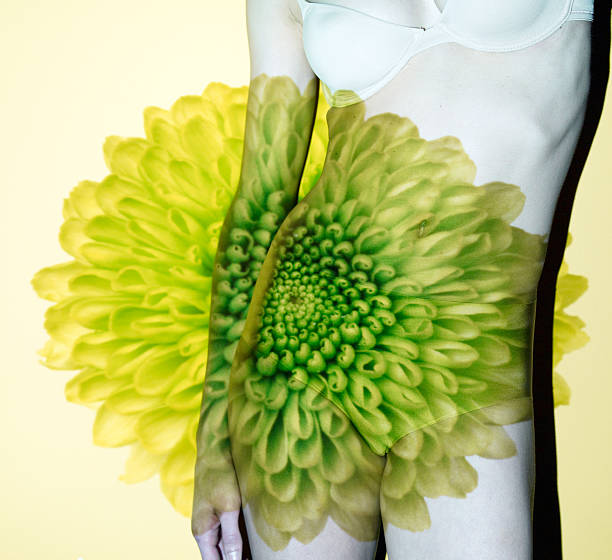
You know that feeling when you’re doomscrolling at 2 a.m. and suddenly every single For You Page has the same iridescent flower pattern splashed across a slip dress? That’s not a glitch—that’s Digital Bloom, baby. This isn’t your grandma’s floral chintz or even the twee little daisies we thrifted back in 2021. This is nature, but make it hyper-real. Think petals that shimmer like oil slicks, stems that glow like neon signs, and blossoms that look like they were rendered in a video game from 2040. It’s cottagecore’s younger, cooler cousin who moved to Brooklyn and started a tech startup. And honestly? It’s the freshest vibe to hit our wardrobes since the Y2K revival officially overstayed its welcome.
Here’s the deal: Digital Bloom is all about taking the organic, earthy, boho energy we love (linen, rattan, that thrifted lace slip) and smashing it into a clunky 3D printer until it comes out looking like a Windows 95 screensaver. We’re talking floral prints that flicker between pastel pink and acid green depending on the light. We’re talking butterfly motifs that have that grainy, scan-line effect like they’re about to fly straight off your tank top and into the matrix. It’s the perfect metaphor for us—18 to 30, chronically online, obsessed with the planet but also absolutely incapable of logging off. We want the earthy warmth of a farmer’s market bouquet, but we also want it to look like it was filtered through a TikTok effect. And we want to get it for, like, twelve dollars on Depop, obviously.
The beauty of this micro-trend is how insanely accessible it is if you know how to work the resale girlies. Fast fashion is already all over it—we’ve seen the hauls from the usual suspects with their mesh floral balaclavas and jelly-style platform sandals. But the real baller-on-a-budget move is to look for “digital floral” or “holographic print” on The RealReal, where last season’s experimental pieces from brands like Bottega Veneta or Marine Serre are sitting at a 70% markdown because they’re too “out there” for the older crowd. Snatch those up. Pair a $40 grail-tier cyber-lily maxi skirt with a plain white ribbed tank and some chunky, scuffed-up Doc Martens. That’s the juxtaposition that makes Digital Bloom work—it’s not costumey. It’s not full cyber-goth or full ethereal fairy. It’s a quick, chaotic mix of a Lululemon leggings moment, a vintage peasant blouse, and a pair of sunglasses that literally have circuit boards printed on the arms. The more accidental it looks, the more intentional it is.
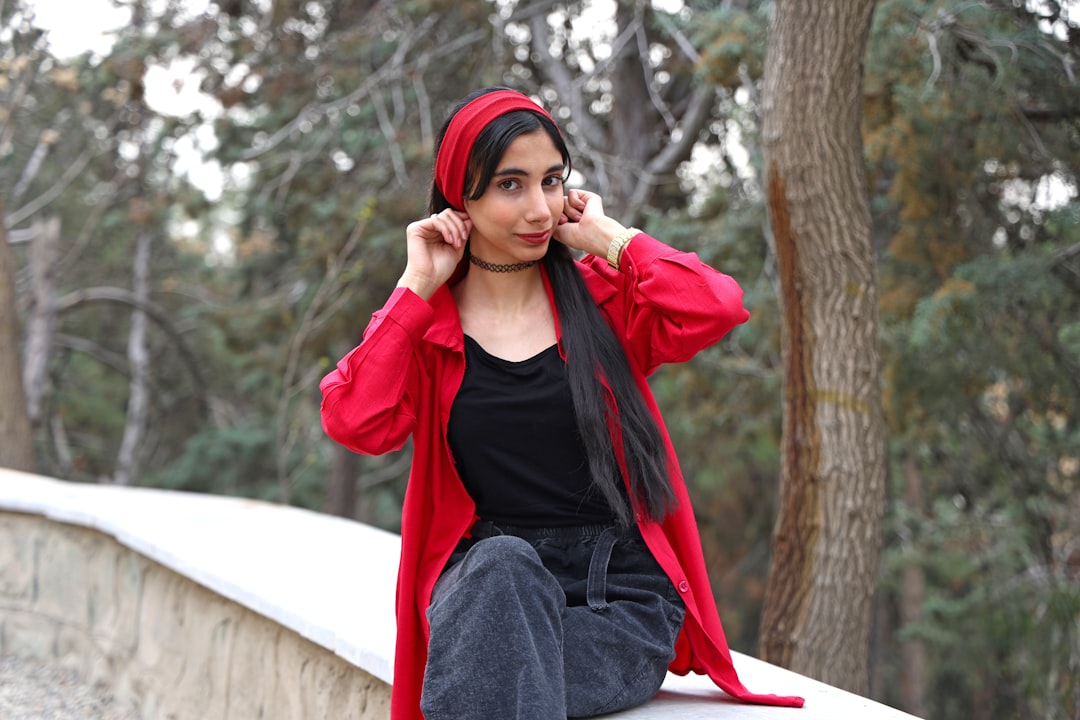
Let’s talk about how to actually style this without looking like you fell into an acid trip at a rave in 2009. The key is to let the digital flora do the talking, then mute everything else. One statement piece—say, a pair of wide-leg trousers with a blurry CGI rose pattern—should be the whole fit. Pair it with a brushed cotton baby tee, some simple sandals, and a slouchy leather tote that’s seen better days. The contrast between the hyper-futuristic print and the worn-in, lived-in boho staples is what separates the girls who get it from the girls who just look like they’re wearing a party city costume. Another move? Layer a sheer, iridescent floral scarf over a plain cami and some cutoff denim shorts. You get the texture, the shimmer, the whole Digital Bloom energy, but it’s still giving laid-back Brooklyn picnic in Prospect Park, not Comic-Con.
The deeper vibe here is about our relationship with reality. We’re the first generation to have our entire sensory experience filtered through screens, and Digital Bloom is our way of bringing that filtered world into the physical. It’s nostalgia for a nature we’ve never actually touched—a dream of a forest where the leaves are made of pixels and the flowers smell like Glossier You. It’s also cheap as hell to produce, which is why fast fashion loves it, but the flip side is that it’s perfect for thrifting. Since the prints are so loud, they look dated quickly to the mainstream, so you can find insane pieces at Goodwill or on eBay from people who bought them a year ago and are now purging their closets. That’s the smart play: let the fashion cycle churn, swoop in for the digital-lily tank top, and pair it with your forever RealReal cashmere cardigan. You get the avant-garde energy without the avant-garde price tag.
By 2026, Digital Bloom is going to be the default print for anyone who wants to scream “I’m online, but I’m also grounded” without saying a word. It’s in the lip gloss with the holographic rose oil shine. It’s in the dewy, slightly pixelated highlighter that makes your cheekbones look like a glitch. It’s even in the fake tattoos you wear to the beach—little neon ferns that glow under UV light. Yes, it’s a trend, and yes, it will die in a year or two, but right now, in this exact moment, it’s the perfect mood board for our disjointed, beautiful, chaotic digital-natural existence. So go ahead. Thrift that weird, pixelated dahlia slip dress. Hit it with a steamer, throw on some silver jewelry, and walk out the door like you just got teleported from a wildflower meadow into the metaverse. That’s the whole point. You’re not wearing a print. You’re wearing a whole-ass aesthetic simulation.
Articles