
The Deconstructed Blazer Is Your New Staple for 2026
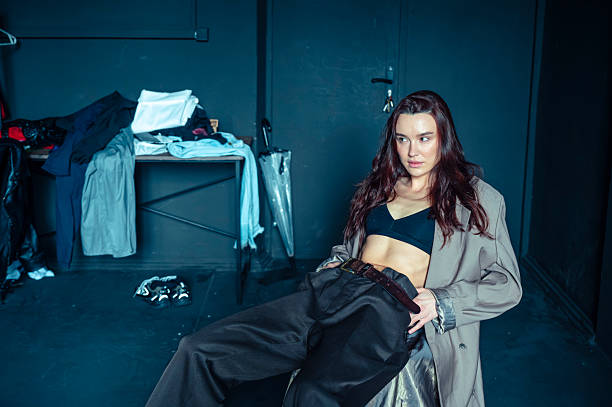
Picture this: you’re scrolling through your feed and pause on a fit that just hits. The blazer is oversized but not in a borrowed-from-the-80s way—it’s cropped in the front, trailing longer in the back, with a raw hem that screams “I did this myself” but secretly took a stylist two hours. The sleeves are missing one cuff, the shoulder pads are visible through a deliberate slash, and somehow it still looks like the most put-together thing you’ve seen all week. Welcome to the age of deconstructed tailoring, where imperfection isn’t a flaw—it’s the whole point.
If you’ve been living in your go-to vintage band tee and thrifted Carhartts, it’s time to level up without losing that effortlessly undone vibe. Deconstructed tailoring is the bridge between the polished, structured world of suiting and the raw, lived-in energy of streetwear. Think of it as the wardrobe equivalent of a messy bun with a silk ribbon—chaotic, intentional, and completely your own. For the girl who loves FreePeople’s boho layers but also wants that RealReal score on a designer piece that looks like it survived a warehouse rave, this trend is basically main character energy waiting to happen.
So what exactly makes a blazer “deconstructed”? It’s all about taking the traditional silhouette and pulling at the threads—literally. Asymmetrical hems, missing sleeves, raw edges, exposed seams, cutouts, and draping that defies geometry. The shape might look like it was sewn together during a power outage, but that’s the beauty. Brands like Acne Studios and Maison Margiela have been doing this for years, but now fast-fashion retailers—think Zara, Mango, and ASOS—have caught on, making the look accessible for those of us ballin’ on a budget. And if you’re savvy, you can thrift an old blazer and diy your own deconstruction with a pair of scissors and some safety pins. No cap, I’ve seen girls turn a $8 Goodwill find into a piece that looks straight off the runway.
The key to styling a deconstructed blazer is to lean into contrast. Pair it with something hyper-feminine, like a lace bralette and a flowy midi skirt, to create that Brooklyn/Boho tension. Or go full layered chaos with wide-leg cargo trousers and chunky platform sneakers—think early 2000s J.Lo meets Copenhagen street style. The undone edges and uneven lines add texture and movement, so keep the rest of your fit relatively simple to let the blazer do the talking. Accessories should be minimal but deliberate: a single silver chain, a slouchy leather bag, maybe a pair of acetate sunglasses if you’re feeling extra. Avoid anything too pristine—this look lives in the grey area between “I just woke up” and “I accidentally became an influencer.”
Why does this resonate so hard with our demographic? Because it’s rebellion without screaming. Deconstructed tailoring says you respect fashion but refuse to be boxed in by it. It’s the sartorial equivalent of refusing to follow the dress code while still looking like you belong in the portrait. For the 18–30 crowd who grew up on thrifting, Depop deep dives, and the thrill of finding a hidden gem, deconstruction feels like a natural evolution. You’re not buying a perfect blazer off the rack—you’re curating a version of yourself that’s a little raw, a little unfinished, and wholly intentional.
Start by hunting for blazers with interesting details: one button, a dropped shoulder, a back panel that hangs lower than the front. You can also look for pieces labeled “unlined” or “unfinished” in thrift stores—those are prime candidates for DIY. If you’re feeling brave, take a seam ripper to the lining and let it peek out, or cut a slit along the collar to expose the shoulder pad. The goal is to create visual interest without looking like you got attacked by a sewing machine. And don’t be afraid to layer: a cropped deconstructed blazer over an oversized hoodie? That’s peak elevated streetwear. Paired with a slip dress and chunky loafers? Instant date-night slay.
For 2026, this trend is only going to grow. We’re moving away from the crisp, tailored “boss babe” aesthetic of the 2010s and toward something more fluid, more personal. Deconstructed tailoring lets you express mood, weather, and identity in a single garment. Whether you score a vintage Yohji Yamamoto from The RealReal or a budget-friendly option from H&M, the vibe remains the same: you don’t need to be perfect to be powerful. So go ahead, embrace the frayed edges, the missing seams, the asymmetrical hemlines. Confidence is the one thing that should always be fully constructed.