
The Joy of Mending: How Repairing Your Clothes is the Ultimate Flex
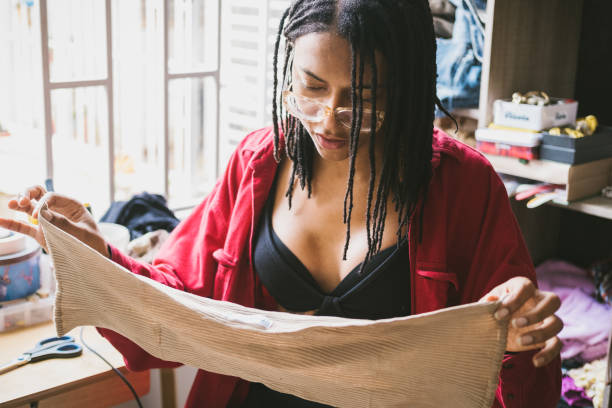
Let’s be so real for a second. The fashion industry is out here producing more clothes than we could ever wear, and somehow we’re all still standing in front of our closets saying we have nothing to wear. It’s a whole cycle of buying, wearing once, donating, and repeating. That’s not just wasteful, it’s straight-up disrespectful to our wallets and the planet. But here’s the tea: there’s a quiet rebellion happening, and it doesn’t involve dropping your whole paycheck on a new haul. It’s about loving what you already own enough to fix it. That’s right, we’re talking about mending. Not in a boring, grandma-patching-your-socks way either. This is visible mending, the art of turning tears, stains, and worn-out spots into your favorite conversation starter. It’s giving Brooklyn boho meets eco-warrior, and honestly, it’s the ultimate flex for anyone who wants to stay stylish without trashing the earth.
Think about your most trusted pair of vintage Levi’s. The ones that fit just right in the thighs but have a hole forming in the crotch from all the walking and sitting and living you’ve done in them. Your first instinct might be to panic-buy a new pair, but pause. That hole is actually an opportunity. Grab some embroidery floss, a needle, and go full chaotic-artist on it. Sashiko stitching, that gorgeous Japanese technique, can turn a simple rip into a masterpiece of tiny geometric patterns. Or just do some messy stars and hearts with contrasting thread. The point isn’t perfection. It’s about making your clothes a canvas for your personality. You’ll end up with a piece that literally no one else has, which is way more interesting than buying the same Free People dress as every other girl at the festival.
Mending is also a major money move. Fast fashion wants you to believe that new equals better, but the real secret is that quality pieces can last for decades if you treat them right. That boots theory thing actually applies. A $100 pair of leather boots that you resole and re-hem and condition will outlive three $50 pairs of cheap ones, and you’ll look cooler in the process. Same goes for your favorite linen dress from The RealReal. If the hem comes undone, you don’t need to send it to the landfill. You just need a needle and ten minutes. Learning basic repairs like sewing on a button, patching a knee, or fixing a loose strap is basically a superpower. It means you can buy secondhand without fear, because you know you can rescue a piece that others might pass over. That’s how you end up with an insanely unique wardrobe on a budget.
Regenerative wardrobes aren’t just about recycling or reducing. They’re about building a system where your clothes actually regenerate, meaning they get better with age, you repair them, you pass them on, and you recycle the fibers at the end. Mending is the heartbeat of that system. When you stitch up a seam instead of tossing the whole piece, you’re saying no to the endless treadmill of consumption. You’re also saying yes to a deeper relationship with your stuff. It’s kind of like tending a garden. You don’t just plant seeds and walk away. You water, you prune, you patch. Your closet can be that too. Every time you mend something, you’re investing in its future, and your own.
And can we talk about the community aspect? Mending is not meant to be a solo activity. Throw a mending night with your crew. Everyone brings their sad, broken garments and a snack, and you all trade tips and threads. It’s the anti-shopping hangout. You get the social buzz without the consumerist crash. There are also tons of mending workshops popping up in Brooklyn and beyond, and Instagram is full of artists who post their visible mending transformations. It’s genuinely inspiring to see what people do with a little patience and a lot of thread. You start noticing holes in a new way, like they’re little blank spaces waiting for your creativity.
So next time you’re about to cry over a snag in your favorite sweater, don’t. Get yourself a repair kit. Learn a few stitches. Watch a YouTube tutorial or two. Your clothes have energy, and you can honor that energy by keeping them alive. Mending isn’t just a sustainable hack, it’s a way to push back against a system that profits from your insecurity. It says my clothes are enough, and so am I. That’s the kind of confidence that truly never goes out of style.