
The Resale ROI of Your 2010s “Model Off-Duty” Basics
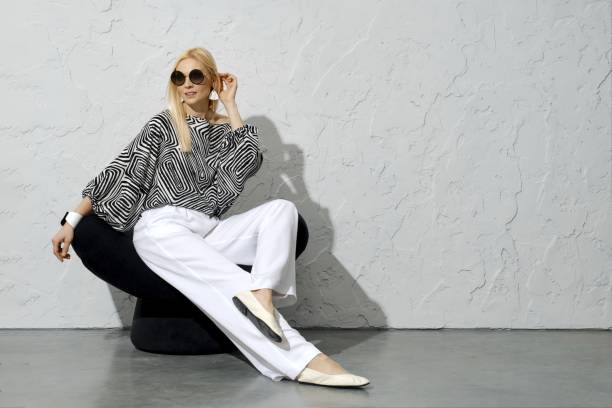
Remember when you begged your mom to buy you that soft gray Acne Studios scarf from Nordstrom Rack, or when you saved up three paychecks from your part-time gig at the local café just to cop a pair of Alexander Wang hinged heels? You probably wore them with a simple white tee, some high-waisted Citizens of Humanity jeans, and called it a day. It was the era of “model off-duty” minimalism—low-key, neutral-toned, and totally devoid of logos unless they were discreetly stitched on the inside. Back then, it felt like you were just blending in with the street style crowd on Instagram. Fast forward to 2026, and that same wardrobe is now sitting on Depop for triple what you paid. Welcome to the moment when minimalism finally cashes in.
The 2010s minimalism wave wasn’t just a fashion moment; it was a cultural reset. Brands like The Row, Jil Sander, Céline under Phoebe Philo, and even mass-market darlings like Everlane and Uniqlo pushed a “less is more” ethos that felt refreshingly wearable. If you were a young woman in your twenties back then, chances are you built a capsule wardrobe around black trousers, a cream cashmere crewneck, a leather tote with clean lines, and a pair of sleek pointed-toe boots. You thought you were just being practical. But what you didn’t realize was that you were quietly stockpiling future archival pieces—the quiet luxury holy grails that resale platforms are now obsessed with.
Here’s the tea: the current vintage market, especially among the Brooklyn-boho set, is all about mixing that restrained 2010s minimalism with the textured, layered, slightly undone energy of boho. Think a crisp silk slip from Helmut Lang (a label that practically invented 90s minimalism and then hit a second peak in the 2010s) paired with a fringed suede jacket and chunky silver rings. That perfect mix of high and low, clean and messy, is what’s driving the resale demand. And guess who’s sitting on that Helmut Lang slip? You are. Or your older sister is. Because you bought it in 2015 when everyone thought minimalism was “basic.“
The real money move is in the details. Those Acne Studios leather jackets with the oversized zippers? They’re now listed as “archival” on Vestiaire Collective and selling for $900 and up. The Céline luggage tote your mom bought at the outlet? It’s now a “vintage grail” going for $2,000 on The RealReal. Even the no-name cashmere sweaters from Everlane—yes, the ones that pilled after two washes—are being resold as “vintage 2010s essentials” because the Gen Z girls running the thrift game are obsessed with that specific shade of oatmeal beige. The irony isn’t lost on anyone: the same pieces we once donated to Goodwill are being pulled out of bins and reinstated as “minimalist heirlooms.“
Why is this happening now? Because fashion cycles are faster than ever, and the 2026 mood is a collision of nostalgia and resourcefulness. With the cost of living still wild, the “balling-on-a-budget” girl knows that scoring a 2010s minimal piece is actually a flex. You get the quality of old-school construction—real leather, real cashmere, real Italian tailoring—without paying luxury retail prices. Plus, that era’s minimalism is proving to be timeless in a way that fast fashion’s trend cycles never are. A clean, unadorned Zara blazer from 2014? Maybe not. But that same blazer from a brand like Joseph or Margaret Howell? That’s a future classic.
If you’re looking to cash in or just upgrade your closet, start digging. Check the back of your closet, ask your older cousin, or scout local thrift stores in neighborhoods that had young professionals in the 2010s. Look for labels like Helmut Lang (pre-2015), Acne (the leather goods and denim), Isabel Marant (the linen blazers and duster coats), and even old COS pieces with that architectural draping. The boho twist? Layer your minimalist find with a crochet vest, an oversized vintage bandana, and some stackable beaded bracelets. That’s the Brooklyn look for 2026: clean lines made messy by personality.
So next time you see an old friend wearing your 2016 Everlane day sneakers, don’t scoff. She’s not broke—she’s invested. And if you still have a pair of those low-top white oxfords from the same era, congratulations. You’re literally walking on future vintage. The 2010s minimalism payoff isn’t just a trend; it’s a smart, sustainable, and surprisingly lucrative way to dress. Your bank account is about to thank you, and your closet is about to become your most profitable asset.
Articles