
The Secret Sauce to a Circular Closet? Your Besties, a Few Bubbles, and Zero Guilt
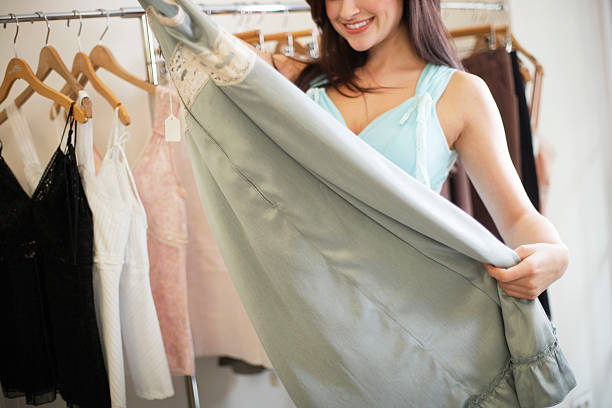
You know that feeling when you stare into a closet stuffed to the brim and still have absolutely nothing to wear? It’s a universal crisis, but here’s the thing—the solution isn’t another fast-fashion haul that’ll end up in a landfill in six months. It’s way more fun, way cheaper, and honestly? It’s the ultimate social flex. I’m talking about the clothing swap. Not the sad, dusty church basement kind from your mom’s era, but a full-on, curated, aesthetic swap party where everybody leaves with a fresh outfit, a lighter conscience, and zero credit card damage. This is closet circularity at its most delicious.
Let’s be real: we all love a good Free People drops or a RealReal score, but even secondhand shopping can get pricey when you’re chasing that Brooklyn Boho street-style look on a balling-on-a-budget salary. A swap flips the script. Instead of you spending cash, you’re trading your barely-worn pieces for something that feels brand new to you. That cropped cardigan you wore twice and now hate? Someone else will absolutely romanticize it. That pair of wide-leg trousers that are just a little too long? They’re about to become a key piece in your friend’s capsule wardrobe. Every item that gets swapped is one less garment snagged from a new production line, one less carbon emission, one less microplastic shed into the ocean. It’s literally the most low-key powerful sustainability move you can make, and it doesn’t require you to buy a single bamboo toothbrush or learn how to mend a hole.
The magic of a swap is that it’s inherently circular. Think of your closet as a living ecosystem—pieces come in, pieces go out, and the whole system stays healthy without constant extraction. Fast fashion thrives on planned obsolescence, trends dying the week you buy them, and that hollow “ooh, new!” feeling that evaporates by morning. A clothing swap is the antidote because it’s not about newness; it’s about newness to you. That vintage leather belt your roommate never wears? It becomes the missing anchor for your entire fall look. And when you hand over that dress you’ve worn to every brunch for two years, you’re not losing value—you’re releasing it back into the universe so someone else can get the dopamine hit. That’s the energy we need.
Now, I know what you’re thinking: “I don’t want to end up with someone’s sad fast-fashion leftovers.” And true, a bad swap can feel like a discount bin at a thrift store after a tornado. But when you curate the guest list and set some ground rules, it becomes a treasure hunt. Invite friends whose style you lowkey admire but wouldn’t copy exactly. That’s the sweet spot—you want variety, not carbon copies. Ask everyone to bring only items that are clean, in decent condition, and that they would honestly recommend to a friend. No stained mystery tees, no stretched-out sweater of lies. And set a number: maybe five to ten items per person so nobody shows up with a garbage bag full of regret. The limiting factor creates a certain scarcity that makes every piece feel precious.
Pro tip: make it an event. Dim the lights, put on a playlist that’s equal parts R&B and indie sleaze, pour some bubbly or kombucha, and lay everything out like a boutique floor. Group things by category: tops over here, denim over there, accessories on a separate table like a treasure island. You’ll be shocked how quickly the energy shifts from casual browsing to genuine vulturine excitement. I’ve seen friendships deepen over who gets dibs on a perfectly worn-in Levi’s jacket. It’s not competition; it’s community curation.
Beyond the party itself, the swap mentality bleeds into your regular shopping habits. You start looking at every item in your wardrobe with a new lens: “Would I trade this? Is this piece worth swapping, or is it destined for the textile recycling bin?” That question alone makes you a more intentional consumer. You’ll stop buying that fast-fashion top just because it’s twelve bucks, because you know twelve bucks could go toward a piece you’ll actually want to pass on. And when you do find something gorgeous—say, a cotton sundress with hand-embroidery from a small brand—you hold onto it longer, care for it better, and eventually pass it along with pride. That’s the whole ethos of closet circularity: every garment has multiple lives, and you’re just the current steward.
It’s also a brain hack. Because when you’ve just snagged a piece at a swap, you don’t have the “did I really need this?” hangover. You’re not fighting buyer’s remorse. Instead, you feel clever, sustainable, and connected. Your fit tells a story: “This oversized denim jacket? Got it in a swap with my friends last month. That blouse? My friend Jess used to wear it all the time, and now it’s mine. The earrings? Traded a candle I never lit.” Everything has a lineage now, which is way more interesting than a tag that says “Made in a factory nobody can name.”
Oh, and don’t sleep on the accessories. That’s where the real gold lives—headbands, scarves, bags, belts, sunglasses. People hoard these things and forget they even own them. A swap is your chance to raid that hoard. I once walked away with a vintage Coach bag that just needed a little leather conditioner, and the owner was thrilled to see it go to someone who appreciated it. That’s the kind of win-win that retail can never replicate.
So yeah, sustainable style doesn’t have to be a chore. It doesn’t have to mean wearing scratchy hemp or limiting yourself to five T-shirts. It can be a party, a ritual, a way to bond with your people while keeping your closet fresh and your carbon footprint low. Closet circularity isn’t about deprivation—it’s about abundance circulating in a closed loop. And the next time you’re scrolling through fast-fashion emails or eyeing that “only 3 left!” popup, ask yourself: could I swap for that energy instead? The answer is almost always yes. Just invite your besties, set the vibe, and watch your wardrobe rewrite itself.