The Slip Dress Renaissance: Why Your 2010s Minimalist Wardrobe Is a Goldmine
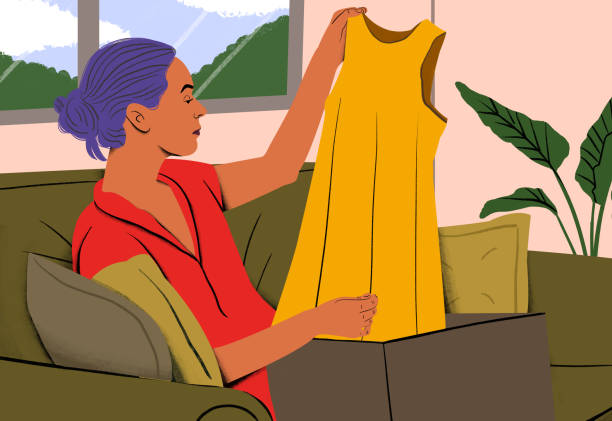
You remember that slinky satin slip dress you bought at Zara in 2015, back when you were still figuring out how to style it with chunky sneakers and a denim jacket? Or maybe it was a Free People bias-cut number in dusty rose that you wore to exactly one house party before it migrated to the back of your closet. If you still have it, congratulations—you’re sitting on a literal resale goldmine. The fashion feedback loop has spun back around, and 2010s minimalism is finally getting its flowers, which means that slip dress, that old COS column skirt, and that Everlane silk shell are now certified archival pieces in the making.
Here’s the thing about the 2010s minimalist wave: it was defined by a very specific kind of quiet luxury that didn’t scream logos or trends. Think Phoebe Philo’s Céline, but for the girl who budgeted for one nice piece and filled the rest with Zara dupes. Brands like Reformation, Sézane, and even early Aritzia were churning out those liquid slip dresses in jade green, ivory, and black that somehow looked expensive even if they were polyester. Fast forward to 2026, and the entire resale market is frothing at the mouth for that exact aesthetic. Depop is flooded with ISO posts for “2014 Zara slip dress in olive,” and The RealReal has a dedicated “Minimalist Icons” category that charges triple what those pieces originally sold for. It’s not just nostalgia—it’s a genuine recalibration of what counts as a future vintage.
The beauty of the slip dress as an archival buy is its shape-shifting versatility. That same piece that felt too bridal for your 2015 day-to-day life is now the ultimate layering base for a Brooklyn Boho vibe. Throw on a crochet cardigan over it, or pair it with a chunky blazer and combat boots for that “I just stepped out of a Bushwick coffee shop” energy. The 2010s version was cut long, lean, and unadorned—no lace, no ruffles, just a clean column that hits at the ankle. That silhouette is back in a big way, but the new versions from fast-fashion retailers are skimpier, shorter, and made of thinner fabric. That’s why the 2015 original is suddenly worth $150 on resale. It’s not about the label—it’s about the cut and the weight of the fabric holding up after a decade.
If you’re a balling-on-a-budget girl who loves The RealReal but can’t stomach dropping $400 on a vintage Céline slip, this is your moment. Look for old favorites from brands that knew how to do minimalism without the price tag: Mango’s 2016 slip collection, Uniqlo’s silk camisoles from 2017, or even the rarely-talked-about Zara Studio line from 2014. These pieces are popping up at thrift stores and on Poshmark for $20 because sellers don’t know what they have. Pick them up now, and in two years you’ll be the one listing them as “rare archival Y2K minimalism” for a hundred bucks. It’s not about speculating—it’s about recognizing that the 2010s were an era of design restraint that current fast fashion has abandoned in favor of micro-trends every three weeks.
The resale market is also rewarding the exact “capsule wardrobe” logic that minimalism preached. If you kept those ten black dresses, those silk camis, and that one slip with the cowl neck, you’ve got a built-in retirement fund. Even better, wear them now. A genuine 2010s slip dress reads as intentional—it says you knew before everyone else that less is more. Add a shawl-collar cardigan from Free People and a pair of beat-up Docs, and you’ve got a look that straddles the line between uptown and downtown, between a Boho thrift find and an archival flex.
The takeaway? Your closet is a time capsule. That slip dress you almost donated? It’s proof that you were ahead of the curve. The 2010s minimalism pays off because it never really went away—it just went underground, and now it’s resurfacing as the definitive Vintage Grail of the late 2020s. So before you clean out your closet, take a second look. That old slip might just be the future you’re supposed to wear.
Articles