

The Ultimate Guide to Freezing Your Denim (And Why It’s Not Just a Flex)
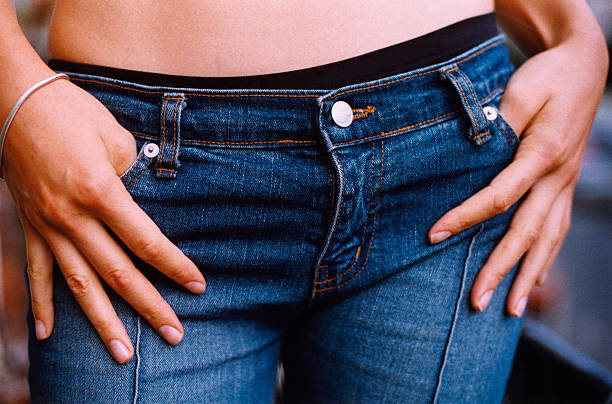
We all have that one pair of jeans. The ones that hit exactly right, that have molded to your specific hip dip and knee crease over months of wear. They are the unsung heroes of your rotation, the backbone of a transitional outfit from a cold morning subway ride to a late night bodega run. And somewhere, deep in the recesses of your TikTok algorithm, you have seen the video. A fashion girl, probably with a mug of matcha and a perfectly messy bun, holding a pair of raw denim and shoving them into a Ziploc bag before tossing them into the freezer. It looks aesthetic. It looks easy. But is it actually a sustainable style hack, or just a weird trend that wastes freezer space? Let’s break down the science, the vibe, and the girl math behind freezing your denim, because in 2026, caring for your clothes is the new flex, and washing them is so last season.
First, let’s talk about why you even want to avoid the washing machine. We are a generation that knows the environmental cost of a single laundry load. That machine guzzles water, spins your pieces against a metal drum, and rinses microplastics straight into the nearest waterway. Every wash cycle ages your fabric. It fades that perfect dark wash, it tweaks the structure of a raw hem, and it literally beats the life out of your favorite thrifted finds. For those of us balling on a budget, trying to make a FreePeople dupe from The RealReal look like a million bucks, we need to maximize lifespan. We are not here to buy a new pair of jeans every season. We are here to make our curated, pre-loved, or fast fashion pieces last long enough to look collected, not consumed.
Enter the freezer method. The logic is not about killing germs with cold. That is the most common myth. Your home freezer is not cold enough to sterilize, so do not freeze your underwear and call it a day. The real magic, the secret sauce for a Brooklyn boho queen, is about odor control. The bacteria that makes your denim smell like the previous week’s subway commute is the same bacteria that gets frozen into dormancy. You are not killing the funk; you are putting it to sleep. By freezing your jeans overnight, you are essentially hitting the pause button on that sour smell. When you take them out and let them thaw, the water in the bacteria evaporates, and the odor goes with it. It is a temporary fix, a way to stretch wear time between proper washes, which for a denim lover, should only happen every four to six weeks anyway.
But here is the real sustainable hack: the freezer method protects the physical integrity of your denim. A washing machine is the enemy of texture. It beats the fibers, causing pilling and loosening the weave. Freezing does none of that. It is a dry process. It preserves the whiskering on your thrifted 501s, keeps the raw hem from fraying prematurely, and maintains that stiff, structured look that makes a $30 pair of jeans look like a $300 investment piece.
To do it right, you have to respect the process. Do not just throw your dirty jeans in the freezer next to the frozen edamame. That is how you get a freezer that smells like street funk and compromised food safety. Seal them in a breathable cotton bag or a dedicated ziplock bag. Squeeze out the air. Leave them in for at least 12 hours. When you pull them out, give them a shake and a good airing out. Hang them in a steamy bathroom while you shower, or just let them breathe on the fire escape for an hour. The combination of the cold reset and a good airing is the actual magic act.
This is also why this hack fits the 2026 ethos. We are not just being lazy. We are being intentional. Every time you choose the freezer over the washing machine, you are choosing less water waste, less energy consumption, and less degradation of your textile. You are choosing a slower, more hands-on relationship with your clothes. It is the same logic as spot cleaning a stain instead of tossing the whole shirt, or using a steamer instead of an iron to save fabric structure.
For the girl who loves the RealReal because she wants designer tags without the environmental guilt of new production, this practice is non-negotiable. You are protecting a piece of history, a garment that has already survived one life. For the girl who shops fast fashion but feels the cognitive dissonance, this is your way to extend the timeline of a piece you love before it inevitably hits the landfill. It is not perfect, but it is better.
So go ahead. Save that wash cycle for the gym leggings and the sheets. For your vintage Levi’s, your thrifted cargo pants, or that perfect pair of trouser jeans you scored on Depop, give them the cold shoulder. Put them on ice. It is weird, it is woolly, and it is the most low-impact flex you can do for your wardrobe.