The Ultimate Guide to Hosting a Clothing Swap That Actually Slaps
We all know the struggle. You open your closet, see a pile of clothes you haven’t touched since 2022, and feel a mix of guilt and overwhelm. Fast fashion got us into this mess—scrolling through Shein hauls at 2 a.m., buying that mesh top because it was $12 and “vibes.” But now, the era of conscious consumption is here, and we’re not about to drop Rent money on a single Free People dress. Enter closet circularity, your new favorite sustainability flex. And the most underrated, low-key iconic way to practice it? The clothing swap party. Not the awkward, church-basement kind your mom dragged you to. I’m talking about a curated, aesthetic, Brooklyn-boho swap that feels less like a garage sale and more like a vibe shift.
First, let’s kill the myth that swapping is for people who can’t afford new. Nah. It’s for people who understand that style isn’t about how much you spend—it’s about how you remix. Think of it as a physical Pinterest board you get to raid. Your friend’s dad-cropped sweater from the 90s? That’s the exact piece you need to elevate your capsule wardrobe. The leather skirt that didn’t fit her anymore? With a chunky belt and your go-to combat boots, it becomes the star of your fall rotation. And the best part? You don’t pay a cent. Well, maybe you bring snacks, but that’s a vibe in itself.
So how do you throw a swap that doesn’t turn into a free-for-all where someone walks away with your vintage band tee? It’s all about the curation. Invite your crew—the friends who actually have taste, not the ones who show up with stained activewear from 2018. Set a rule: only bring items that are clean, in good condition, and that you would genuinely want to wear again. This isn’t a donation drop-off. It’s a treasure hunt. Ask everyone to bring at least five pieces—tops, bottoms, accessories, shoes. The more variety, the more magical the closet alchemy.
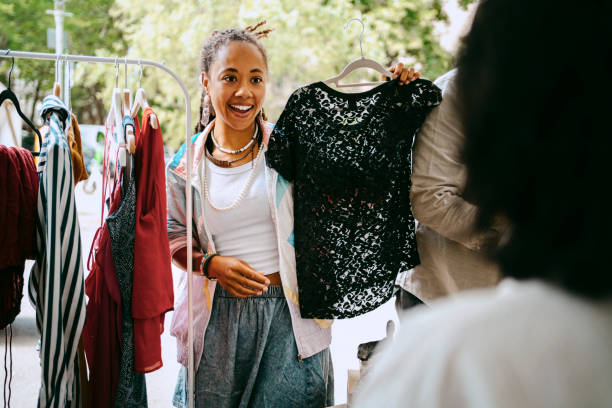
Create a vibe. Light some sage or a good-smelling candle. Throw on a playlist that’s equal parts solfeggio frequencies and Fleetwood Mac. Lay everything out on a rack or a bed, organized by category (denim, knits, dresses, that one impractical but gorgeous sequin top). Then, the ritual: everyone takes a turn “shopping.” Not a free-for-all scramble. Go piece by piece, like a fashion show without the runway anxiety. Someone holds up a slip dress, and suddenly three people are fighting over it—but in a respectful, “omg that was made for you” way. The energy is supportive, not competitive. That’s the secret sauce.
But the real magic happens after the swap. What about the stuff nobody claimed? Don’t let it become landfill fodder. Have a plan for leftovers. Bag them up for your local Buy Nothing group, or take them to a consignment shop like Buffalo Exchange. Or, if you’re feeling extra ambitious, host a mini mending station mid-swap—needle, thread, fabric patches, the works. Turn a ripped pair of jeans into a cut-off that’s so 2025 it hurts. That’s closet circularity in its highest form. You’re not just swapping; you’re extending the lifecycle of every fiber.
And for the digital natives in the room: document the whole thing. Post a Reel of the haul pile with a dreamy filter and a caption like “sustainable style hack that actually makes your wallet and the planet happy.” Tag the brands you’re retiring and the ones you’re adopting. Make it a challenge: “Who can style the ugliest-sounding item into a fire fit?” Crowdsource tips. You might notice that once you start swapping, you’ll never look at retail the same way again. Why drop $80 on a Zara dress when your friend’s sister has one in her closet she wore once to a wedding? The RealReal is great for luxury circularity, but peer-to-peer swapping? That’s the underground economy of style.
Let’s address the elephant in the room—quality. Yes, fast fashion pieces often fall apart after a few washes. But swapping encourages you to choose pieces that have already survived the test of time. If your friend’s H&M blazer has held up for three years, it’s probably better made than the current season’s version. Plus, swapping introduces you to higher-quality staples from brands you might not normally afford—like that Free People kimono that’s only $200 new but now costs you a bag of pretzels and some good conversation.
The environmental impact is legit, too. The fashion industry is responsible for 10% of global carbon emissions, and textile waste clogs landfills faster than you can say “microplastics.” Every piece you swap is a piece that didn’t get shipped from Bangladesh, didn’t get dyed with toxic chemicals, and didn’t end up in the Pacific Garbage Patch. That’s a flex you can wear literally. And it ties directly into that Brooklyn/Boho ethos: personal style that’s intentional, eclectic, and rooted in community, not consumerism.
So next time you’re scrolling Depop at 1 a.m. wondering if that $45 oversized blazer is worth it, pause. Text your besties instead. “Swap party at my place next Saturday. BYO fits and a bottle of natural wine.” It’s sustainable, it’s social, and it’s the ultimate ball-on-a-budget power move. Because in 2026, the chicest thing you can wear isn’t a new label—it’s a story. And your story starts with a swap.
circularity swaps
Articles