

Vintage rowing blazers unisex
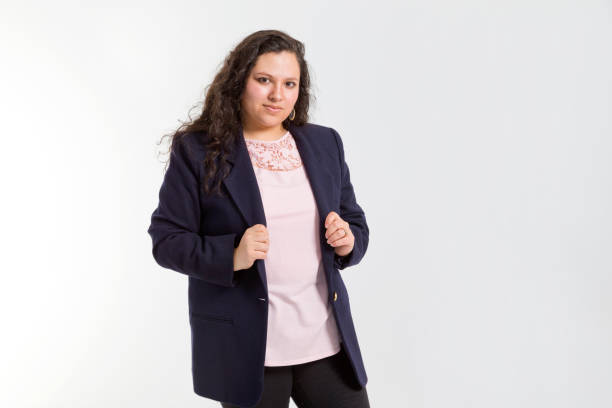
Let’s be real for a second: if you’ve scrolled past one more outfit grid featuring the same oversize tweed blazer that everyone thrifted in Bushwick last fall, you’re probably ready to throw your phone into the East River. But before you do, look closer at the new wave of prep revival that’s quietly paddling its way onto your FYI feed. We’re talking about the vintage rowing blazer—unblemished by modern branding, steeped in Ivy League grit, and somehow the most gender-fluid piece of outerwear you’ll drape over a slip dress this spring. This isn’t your dad’s Brooks Brothers hand-me-down. This is Neo-Prep 2.0, the micro-trend that’s making fast fashion feel intentional, and it’s all about the core aesthetic of structured nonchalance.
First, let’s talk about what makes a vintage rowing blazer different from every other thrifted jacket in your closet. Rowing blazers, originally designed for collegiate crew teams, carry specific DNA: double-vented backs to accommodate an athlete’s reach, brass or mother-of-pearl buttons (often engraved with a crossed oars crest), and a distinct boxy fit that sits high on the shoulders without suffocating you. The best ones are made from a dense wool flannel or a cotton/navy serge that feels substantial but not rigid. They come in classic colors like navy, burgundy, forest green, or the occasional bold stripe—but never, ever with a loud logo. That’s the point. In the world of Neo-Prep 2.0, status is whispered, not screamed. And a vintage blazer from the 1970s or 80s, with slight fray at the collar and a softened silhouette from decades of wear, says more about your taste than any new-season designer piece ever could.
Why is this specific micro-trend hitting so hard right now? Because we’re tired of the hyper-feminine corset era and the hyper-masculine workwear core. The unisex rowing blazer sits in the sweet spot of Brooklyn/Boho duality. It’s equal parts lana del rey melancholy and teenage dirtbag cool. Pair it with wide-leg linen trousers and a simple tank top for a lazy Sunday market run. Throw it over a sheer slip dress and chunky sneakers for a night out that says “I spent my rent money on experiences, not outfits.” The boxy cut means it reads as effortlessly borrowed from someone (or some team) else, which is exactly the energy that fast fashion is chasing in 2026—but you have to find the real thing, not the polyester dupes at Zara. This is where the balling-on-a-budget girl wins. You can snag an authentic vintage rowing blazer on The RealReal or at a local thrift for thirty bucks, and it will look more expensive than anything in the mall.
The core aesthetic here is what I like to call “maritime melancholy meets academic abandon.” It’s not about dressing like you’re about to attend a regatta; it’s about dressing like you just stumbled out of a rowing house at golden hour, slightly hungover but deeply nonchalant. This blazer works because it has a story—you can feel the history in the weight of the fabric, the fading on the cuffs from constant rolling, the slight looseness in the button threads. It’s an object that has lived, and in a world of micro-trends that flip every three weeks, that longevity is its superpower. The Neo-Prep 2.0 woman isn’t trying to look like she was born with a silver spoon; she’s showing she knows how to forage one from a Goodwill bin.
Styling it for the 2026 season means mixing that prep-school shape with the boho details that define StyleGoals.com’s aesthetic. Think a vintage rowing blazer over a white linen maxi skirt with Birkenstock bostons and a leather duffle bag. Or cropped above high-waisted cargo pants and a ribbed tank. The beauty is in the contrast: the blazer’s structured shoulders against the softness of flowing fabrics, the antique brass buttons catching the light against a simple cotton tee. Avoid anything too tight or too matched. The blazer should feel like an afterthought, not the main character—even though it secretly is.
If you’re hunting for your own, look for labels like Boathouse Row, J.P. Press, or any unmarked vintage piece with the hallmarks of crew team gear. Check the inside lining for wear; a little fraying adds character. Tear tags? Leave them on. That’s part of the unisex appeal—it never belonged to any one gender, just to a sport. And that’s the ultimate flex. In a time when trends like “quiet luxury” and “fisherman core” are fighting for space, the vintage rowing blazer wins because it doesn’t try to win. It just sits there, beautiful and slightly worn, waiting for you to pull it on and walk out the door like you own the river.
So go ahead. Find yours. Wear it with everything. And when someone asks where you got it, just say “the boathouse.” They’ll know exactly what you mean.