When Your Bestie’s Closet is Just a Click Away: The Rise of Digital Swap Culture (and Why IRL Still Slaps)
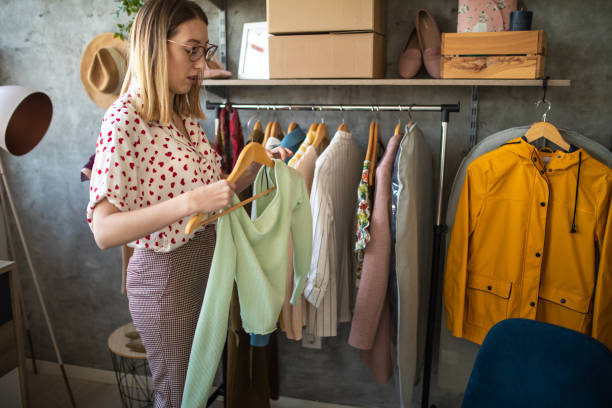
Let’s be real: your closet is currently holding at least three pieces you swear you’ll wear “someday” and one dress you bought for a wedding three years ago that’s still drowning in tags. You’re not alone. In 2026, the coolest way to refresh your wardrobe isn’t dropping a paycheck at Zara or even scrolling through The RealReal for that one Margiela tabi at a “steal.” It’s swapping. And not just the IRL kind where you show up at your friend’s apartment with a trash bag full of jeans and leave with someone else’s emotional support sweater. The digital swap game has leveled up so hard that your next fit could come from a stranger two time zones away, with zero shipping fees and a whole lot of trust.
Here’s the thing: swapping IRL still holds a sacred place in the hearts of balling-on-a-budget girlies. There’s nothing like the adrenaline of rifling through a pile of clothes at your cousin’s Brooklyn loft, discovering a Reformation sundress that’s literally two sizes too big but you will make it work because the pattern is chef’s kiss. The physicality of it—touching the fabric, holding it up against your body, getting a “oh that’s so you” from a friend—is unmatched. It’s low-key performance art meets community therapy. You swap stories as much as you swap clothes. That denim jacket comes with a backstory: “I wore this to a Phoebe Bridgers show and cried during ‘Moon Song.’” You take it, and now you’re wearing a memory. IRL swaps also force you to confront your own consumption habits head-on. You bring a bag of stuff you thought you loved, and suddenly you’re negotiating with a stranger about whether that Zara blazer is worth trading for their barely-worn Everlane loafers. It’s capitalism but make it human connection.
But digital swapping? That’s a whole different beast. Platforms like Depop, Vinted, and even niche WhatsApp groups have turned your phone into a global thrift store that runs on vibes and DMs. You can post a photo of a free people top you wore once, tag it #BohoBabe #SizeSmall, and within an hour someone in Portland is sliding into your messages asking to trade for a pair of vintage Levi’s. No money changes hands. You both pay for shipping, and suddenly your closet is churning like a circular economy on caffeine. The best part? You don’t have to leave your couch. You can swap at 2 AM in your pajamas, scrolling through someone else’s “closet tour” video on TikTok, heart-eyes emoji-ing a lace cami that would look perfect under your oversized blazer. It’s frictionless, it’s instant, and it feeds the same dopamine hit as a retail purchase—without the guilt of fast fashion’s carbon footprint.
But let’s not pretend digital swaps are perfect. The trust factor is real. You’ve heard the horror stories: someone sends a stained shirt, or the “vintage” bag turns out to be a Shein dupe from 2022. That’s why the community aspect matters. Most digital swap circles these days are private—invite-only Discord servers or Instagram group chats where you’ve literally verified each other’s lives. You build a reputation. You become “the girl who always sends a thank-you note” or “the one who includes a pressed flower with each package.” It’s like a swap bestie network. And honestly? That’s the whole point. The swap culture isn’t just about getting new stuff for free—it’s about rejecting the endless cycle of buying and returning, of clicking “add to cart” without thinking. It’s a quiet rebellion against the algorithms that want you to feel like you’re never enough.
IRL and digital swapping aren’t rivals; they’re two wings of the same sustainable fashion bird. You hit up a live swap party on a Saturday afternoon, soak up the good energy, and maybe grab a few tees. Then later that night, you list the pieces you didn’t trade on a digital platform, and someone else’s 3 AM impulse swap brings you a silk slip dress you’ll wear to brunch next week. It’s a cycle that keeps your wardrobe fresh without draining your bank account or the planet. For the 18-to-30 set who grew up on fast fashion’s promises and are now watching the environmental bill come due, swapping is the ultimate flex. It says: I know what I’m worth, and it’s not a price tag. Whether you’re handing a sweater to a friend across a coffee table or mailing it to a stranger across the country, you’re building something better than a closet. You’re building a community that knows the best style secrets don’t come from a sale rack—they come from each other.
Articles