
Why the A.P.C. Demi-Lune Is the 2010s Minimalist Bag That’s Finally Paying Off
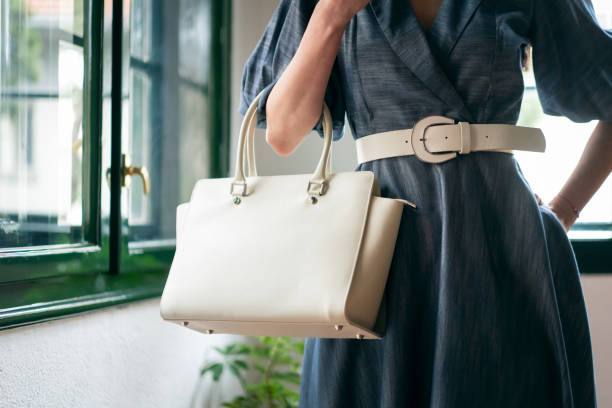
You know that bag your cool older cousin carried to brunch in 2014? The one that looked like a slightly sad, very chic envelope? Yeah, that one. The A.P.C. Demi-Lune. If you slept on it the first time, you are absolutely kicking yourself right now, because this is the single most clutch piece of 2010s minimalism that is currently moonwalking its way into the future vintage hall of fame. And honestly, for anyone trying to build a wardrobe that screams “I have taste and I’m not trying too hard,” understanding why this bag matters is your cheat code for 2026.
Let’s be real. The early 2010s were a weird time for fashion. We were all still recovering from the low-rise jeans and excessive layering of the 2000s, and then Phoebe Philo walked into Céline and basically told everyone to chill out. Suddenly, it was all about the cleanest lines, the quietest logos, and a vibe that felt effortlessly expensive but also kind of detached. That energy trickled down to brands like A.P.C., which had always been the French girl’s secret weapon for looking put-together without looking like you tried. The Demi-Lune, with its simple half-moon shape, its exposed zipper, and its complete lack of any obnoxious branding, was the ultimate accessory for that moment. It wasn’t trying to be a status symbol. It was trying to be a really good piece of leather that held your phone and your lip gloss. Mission accomplished.
Fast forward to now, and the pendulum has swung back so hard it almost took out a whole generation of logomania. We are in the era of the “stealth wealth” comeback, but with an ironic, thrifted twist. The girls on Raya aren’t flexing the newest Bottega drop; they’re flexing a beat-up Demi-Lune they scored on Depop for a hundred bucks, and it looks ten times cooler. This is where the “future vintage” and “archival buying” play really starts to make sense. The magic of the Demi-Lune isn’t that it was rare when it was released. It was actually pretty ubiquitous for a few years. But that’s the point. It was a foundational piece of a specific aesthetic moment—the peak of modern minimalism—and now that moment is officially nostalgic enough to be collectible. We are seeing the same thing happen with old Céline luggage totes, with Acne Studios scarves from that era, and with classic Everlane cashmere that hit the resale market. The pieces that were the “capsule wardrobe” staples are the ones that hold their value and their cultural cachet best because they represent a philosophy of dressing that is now, once again, totally desirable.
And here is the part that the 18-to-30 crowd needs to hear: this is not about spending your entire paycheck on a single bag. This is about having the vision to recognize that the stuff your cool aunt or your older sister shoved to the back of her closet is actually a goldmine. The Demi-Lune right now is in that sweet spot where it’s not yet a full-on collector’s item, so you can still find it for a deal on The RealReal or Vestiaire if you’re patient. But every season, the prices creep up. The burn rate on these is real. People are realizing that a well-made, minimalist leather bag from a brand with provenance is a better investment than whatever micro-trend bag is being pushed on TikTok this week. The algorithm wants you to buy the dopamine hit, but your wardrobe ROI wants you to buy the archival piece.
The Brooklyn/Boho edge to this whole thing is that you are not wearing the Demi-Lune with a matching minimalist outfit. That would be too on the nose. You wear it with a vintage thrifted silk slip dress, layered over a pair of high-waisted linen trousers, with chunky sandals that look like they came from a Moroccan market. You’re mixing the clean, architectural 2010s shape with the organic, earthy, almost slouchy vibe of the boho resurgence. It’s the tension that makes it work. The bag becomes the anchor. It grounds the floaty, romantic energy of the rest of your look. It says, “Yes, I am a free spirit, but I also have my life together enough to carry a bag that actually closes.”
This is the real payoff of archival buying. It’s not just about “investing” in the financial sense, though that is a nice perk. It’s about investing in a visual language that has staying power. The 2010s minimalism payoff is that we finally have enough distance from that era to see it clearly. We can see that the Demi-Lune wasn’t just a bag; it was a manifesto. It was a statement that less can absolutely be more, as long as the less you’re choosing is really, really, really good. In a world of hyper-consumption and constant drops, finding a piece that holds that much quiet confidence is a serious flex. And the best part? You don’t have to be rich to pull it off. You just have to be smart.
Articles