
Why Your Next Fit Should Come From a Clothes Swap (And How to Host One Like a Pro)

Let’s be real for a second: the thrift store is basically a second home for anyone trying to look like they stepped out of a Free People catalog without dropping rent money. But even the best curated racks can feel a little played out after a while, especially when you’re chasing that Brooklyn Boho energy where every piece tells a story. That’s where the clothes swap enters the chat—not just a cute way to hang with your girls on a Sunday afternoon, but a full-on regenerative wardrobe hack that’s about to become your 2026 signature move.
Think of a clothes swap as the sustainable glow-up your closet never knew it needed. Instead of tossing that oversized linen blazer you impulse-bought at a sample sale and wore exactly once, you bring it to a swap and trade it for a vintage denim jacket that gives major downtown art-girl energy. No receipts, no guilt, no carbon footprint meltdown. It’s regenerative because you’re literally keeping pieces in circulation, giving them a second life, and avoiding the fast-fashion trap of buying something new just because you’re bored with what you have. And the best part? You walk away with a fresh fit that costs you absolutely zero dollars—and probably zero cents too, if you’re hosting right.
Now, I know what you’re thinking: swaps sound amazing in theory, but in practice they can turn into a chaotic free-for-all where someone ends up with a stained sweater that smells like someone else’s laundry detergent and a weird sense of regret. Been there, tried that, learned the hard way. The secret to a swap that actually slaps is in the setup. You want to throw it like you’re curating a mini pop-up shop at that cute vintage store in Williamsburg—organized, aesthetic, and vibe-check approved.
Start by picking a location that feels intentional. Your living room can work if you clear out the clutter and throw on some ambient lo-fi, but a backyard or rooftop is chef’s kiss for that open-air, bohemian feel. Make it an event: send a Google Calendar invite with a mood board attached, ask everyone to bring a reusable tote (or you’ll have a pile of IKEA bags that’s low-key chaotic), and set a firm limit. Three pieces per person, maximum, and they need to be clean, in good condition, and something you’d genuinely recommend to a friend. No stained tees from that one festival, no broken zippers, no “I’ll donate this anyway” energy. We’re curating, not dumping.
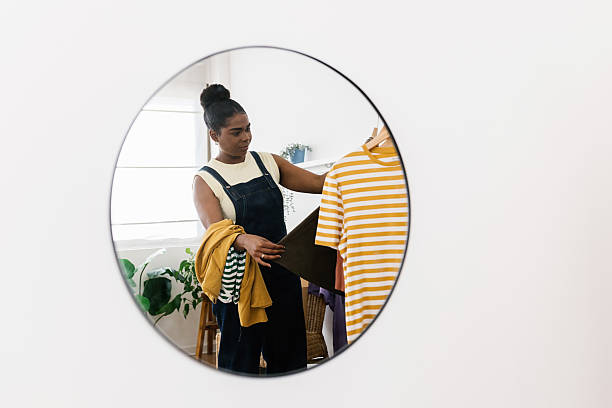
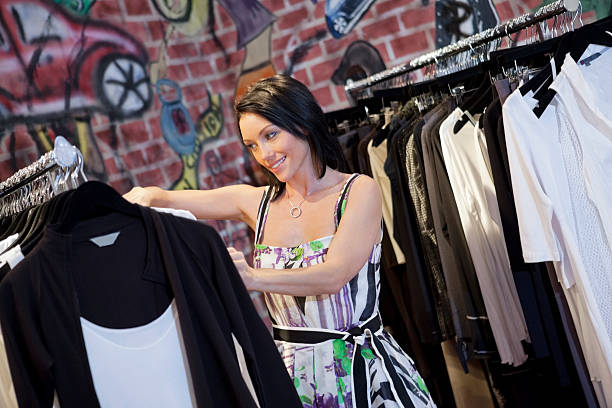
The real magic happens when you turn the swap into a styling session. Lay out the clothes by category—blazers, denim, tops, dresses, accessories—and put a full-length mirror in the middle. Encourage everyone to try things on, give honest feedback, and mix and match. That’s how you stumble on a combo you never would have thought of: a thrifted silk slip worn under a crochet vest you got from a friend, paired with wide-leg trousers that belonged to someone’s cool aunt. The result? A fit that’s undeniably yours, but with a lineage of style that goes way beyond a single purchase.
And here’s where the regenerative part really kicks in. After the swap, whatever’s left doesn’t have to end up in a landfill. You can drop the leftovers at a local textile recycling program, donate to a shelter, or save them for the next swap. The goal is zero waste, zero guilt, maximum style ROI. Over time, a wardrobe built on swaps becomes a living archive—each piece carrying a memory, a compliment from a friend, or a story about how that one top started its life as a 90s relic before landing in your closet as the centerpiece of a 2026 look.
Honestly, the most sustainable thing you can do is stop treating clothes like they’re disposable. Fast fashion made us believe that a $15 dress is a steal, but the real steal is walking into a room full of your most stylish friends, walking out with a bag of pieces that actually fit your vibe, and knowing you didn’t compromise your values or your bank account. That’s the energy we’re bringing into 2026: regenerative, communal, and undeniably chic. So grab your besties, raid your closet, and get ready to swap your way to a wardrobe that’s as sustainable as it is fire.
Articles