Why Your Old Zara Blazer is Basically a Vintage Grail Now
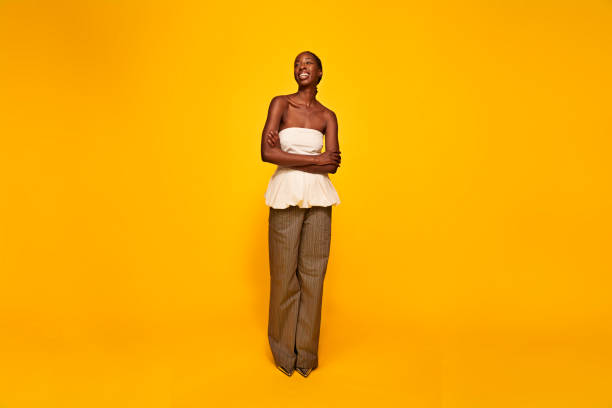
You know that slightly oversized, single-breasted blazer you thrifted three years ago from the Zara sale rack, the one that cost like thirty bucks and you wore with everything from mom jeans to slip dresses? Yeah, that piece is lowkey becoming archival gold. We’re not even being dramatic. The 2010s minimalist wave—the era of neutrals, clean lines, and “less is more” that had us all buying cream cable-knit sweaters and black ankle boots—is finally getting its vintage moment. And if you held onto your closet from that decade, congrats: you’re sitting on a literal time capsule that resellers on Depop, Vestiaire, and The RealReal are starting to fight over.
Let’s rewind. Between like 2013 and 2019, brands like COS, Everlane, Uniqlo, and even high-street Zara were all about that minimalist flex. Think boxy silhouettes, muted tones, and fabrics that actually felt substantial—not the sheer, polyester chaos of fast fashion today. At the time, everyone thought it was just “basic” style. But here’s the secret that’s only now becoming obvious: those pieces were designed with a quiet confidence that never screams “trend.” And trends, as we all know, die. But foundational pieces? They become future heirlooms. That’s why 2010s minimalism is paying off big time for anyone who kept their receipts or, better yet, never purged their closet during the pandemic Marie Kondo phase.
Think about it. The “clean girl” aesthetic that dominated early 2020s TikTok? It’s basically a reboot of 2010s minimalism but with glossier lips and a slicked-back bun. The difference is that now those same pieces—a ribbed turtleneck from Uniqlo, a structured midi skirt from COS, a cashmere-blend crewneck from Everlane—are actually being hunted down as “archival” buys. Depop sellers are listing them with titles like “Y2K Minimalist COS Blazer” (even though it’s clearly from 2018) and asking triple the original price. Why? Because Gen Z and younger Millennials are realizing that the “future vintage” isn’t always about retro prints or baggy denim from the ’90s. Sometimes it’s the quiet pieces that defined a decade of understated luxury.
The irony is that a lot of these items were considered “fast fashion” at the time. But now we’re seeing a shift in what counts as valuable vintage. The 2010s minimalist movement was about intentionality—buying fewer, better pieces. Even if you bought from fast-fashion giants, you likely chose staples over statement pieces. And those staples, when they’re still in decent condition, are becoming the foundation of a curated wardrobe that’s both sustainable and stylish. Plus, the fabric quality back then was legit better. Remember when Zara used wool blends and actual linen? Their recent stuff is thin and cheap by comparison. That’s why a 2016 Zara blazer with a little pilling is still worth more than a brand new one from the same brand.
So, what should you be looking for in your own closet? Anything that screams “2010s minimalist” without screaming at all. Solid-colored coats with clean lines. Slip dresses in neutral shades. Ankle boots with a block heel. Cashmere or merino wool knits that aren’t logo-heavy. The resale value isn’t insane yet—we’re not talking Hermès Birkins—but it’s climbing. On The RealReal, you’ll find COS blazers going for $80–$120, which is double what they cost new. On Depop, a Uniqlo x JW Anderson collaboration piece from 2017 can go for $150. That’s not nothing for a piece you almost sent to Goodwill.
The best part? You don’t have to be rich to play this game. The whole “balling on a budget” vibe is exactly what made 2010s minimalism accessible. You didn’t need to drop $500 on a The Row dress when COS had a perfectly sharp version for $120. And now those COS pieces are the ones being called “archival” because they capture the spirit of an era when fashion was about silhouettes, not logos. That’s the kind of vintage that actually ages well—no awkward print, no dated trend, just pure form.
So before you declutter your closet again, check the tags. That Zara blazer from 2017? That Everlane cashmere crew from 2018? That Uniqlo block heel from 2016? They’re not just clothes—they’re baby archives. Hold them. Wear them. Or if you must sell, price them like the time capsules they are. The future vintage market is wide open, and 2010s minimalism is the sleeper hit everyone is about to wake up to. Your future self—and your bank account—will thank you.