
Your Heart Rate Palette: How Biometric Fashion Is Lowkey Reading Your Vibe
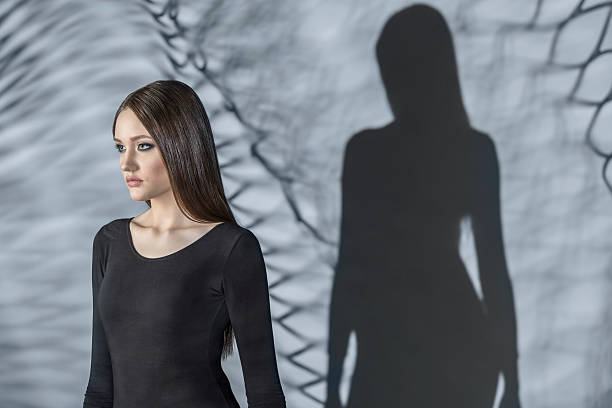
Imagine you’re walking through Williamsburg on a crisp Saturday morning, grabbing an oat milk matcha before hitting the vintage racks. Your outfit is already fire—oversized linen jacket, thrifted cargo pants, some chunky platforms that scream “I woke up like this.” But there’s something else going on beneath the surface. Literally. A soft hum of microsensors woven into the fabric of your simple black tee starts picking up your heartbeat, your skin temperature, even your stress levels. Within seconds, the sleeves shift from neutral charcoal to a soft lavender. You’re not just wearing clothes anymore. Your fit is feeling you.
This is the new wave of biometric fashion, and for anyone who’s ever wanted their outfit to match their mood without having to change three times before brunch, it’s the absolute vibe. We’re talking smart fabrics that use conductive threads, thermochromic pigments, and even subtle haptic feedback to reflect your internal state in real time. 2026 is the year your wardrobe stops being passive and starts becoming a conversation between your body and your aesthetic.
The tech behind it? Honestly, it’s not as scary as it sounds. Brands are embedding tiny, flexible biosensors—think a sticker you barely feel—into the seams of everyday staples. These sensors measure heart rate variability, galvanic skin response (that fancy term for how much you’re sweating), and skin temperature. Then they talk to a microchip about the size of a pea that triggers color change in special dyes or LED microfibers. The result? A shirt that deepens to burgundy when you’re feeling stressed about a deadline, or shifts into a calming sky blue when you’re zenning out on the subway. Some even pulse with a subtle glow that syncs to your breathing. Main character energy, no cap.
Why is this hitting so hard for the upscale-but-ballin’-on-a-budget queen? Because it’s fast fashion meets futuristic personalization without the insane price tag. We’re not talking a $2,000 designer jacket that requires a PhD to operate. The first generation of biometric wearables—think Oura rings and Whoop bands—were all about data for athletes. Now the same tech is being scaled down, sewn into jersey knit, and sold for under a hundo. You get the vibe of couture innovation with the accessibility of your go-to Zara drop. It’s giving accessible luxury in a way that still feels intentional and not gimmicky.
Let’s talk styling because that’s where the real fun begins. The Brooklyn/Boho aesthetic is all about layering textures, earth tones, and pieces that feel personal. A biometric tee in charcoal or oat lets you build a look that evolves as your day does. Start your morning in a soft, neutral beige because you’re chill. Hit the farmer’s market, your heart rate picks up from the coffee and the crowd, and suddenly your top gets this subtle rosy flush. It’s not loud—it’s whisper-soft, like a secret only you and your close friends notice. That plays perfectly into the “effortlessly cool” energy of a Free People look paired with a resale find from The RealReal. You’re being authentic, but the fabric is literally showing you being authentic. Meta? Sure. But also chef’s kiss.
And for the balling-on-a-budget girl who loves a good thrift flip? The secondhand market is already catching on. Apps are popping up where you can buy pre-loved biometric garments. The sensors are replaceable, so you’re not stuck with dead tech. That means you can score a piece from last season’s smart fabric drop at a fraction of the original price, then swappable module for under $20. Sustainable, affordable, and still giving that dopamine hit when the color shifts. The thrifty queen wins.
Now, no tea without some honesty. There are questions around privacy. Your clothes are tracking your heart rate, your stress, maybe even your location if the chip has GPS. Brands are starting to offer offline modes where data stays on the garment and never leaves your phone. But if you’re not down with Big Tech knowing when you got anxious about a DM, you can always buy pieces that only change color based on temperature—no biometrics, just thermochromic whimsy. You get the aesthetic without the overshare.
Still, for the girl who wants her fit to feel as much as it looks, biometric fashion is where 2026 is heading. It’s personal. It’s playful. It’s the ultimate conversation starter at a gallery opening or a rooftop party. “Wait, your shirt just turned blue—did you just see your ex?” Yes. That’s the tea. Your outfit is reading the room before you even have to. And honestly? We’re so here for it.