Your Regenerative Wardrobe Starts with a Curated Swap Party
Okay, let’s be real for a sec. The fashion girlie industrial complex has us in a chokehold. You want that perfect Brooklyn boho moment, the one that screams effortless, like you just wandered off a rooftop in Williamsburg with a matcha and a vintage leather tote. But you also care about the planet, and your bank account is definitely not giving influencer-money vibes. The 2026 solution isn’t a new drop from a high-street giant. It’s a vibe shift in how we source our dopamine. The hottest sustainability hack for building a regenerative wardrobe isn’t a hack at all—it’s a house party, but make it fashion.
We’re talking about the curated clothing swap, and it’s the ultimate cheat code for getting that pre-loved, one-of-a-kind aesthetic without the price tag or the environmental guilt trip. Scrolling through The RealReal is great, but shipping costs and sizing gambles are a vibe killer. A swap takes the best part of thrifting—the thrill of the hunt, the Cinderella moment of finding your size in a literal unicorn piece—and turns it into a social good time. Think of it as building a regenerative wardrobe ecosystem within your own friend group. The core premise is simple: one person’s “I wore this once and felt meh” is another person’s “holy grail, this is my entire personality now.”
But this isn’t about tossing your stained laundry on a pile. The art of the swap is all in the curation. You need to treat it like you’re styling a mood board for your dream closet. The goal is to circulate pieces that are genuinely good. That Free People floral maxi that’s been haunting your closet since that one beach vacation? It’s going to make another girl feel like a woodland fairy princess. That pair of high-waisted, barrel-leg trousers that didn’t hit your ankle right? They’re perfectly cropped for a friend with a different silhouette. The magic is in the discarding of the “almost perfect” and curating only the “heck yes.”
To pull this off, you need to set a theme. Don’t just say “bring clothes.” Get specific. “Bring your best Brooklyn boho, your statement accessories, and anything you’ve fallen out of love with.” Set a quality bar. Only bring things you’d be genuinely happy to see your bestie wear. It’s about integrity. You don’t want to be the person who shows up with clearance bin rejects. We’re aiming for fast-fashion quality that has been loved, not destroyed. You want the pieces that have that “lived-in” texture, the soft wash, the slightly vintage hue that can only come from a few wears and some good laundry detergent.
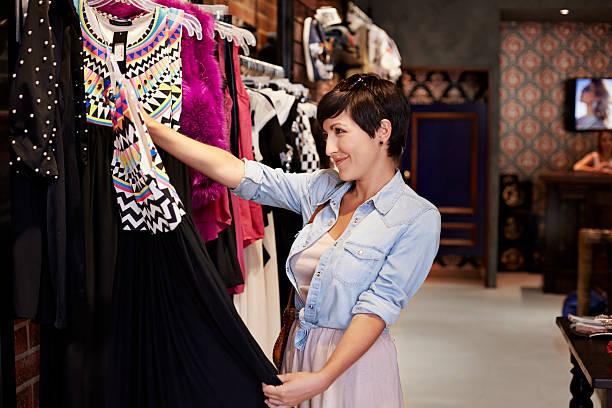
The process itself is a serotonin boost. As a host, you curate the space. Set up racks, designate sections for tops, bottoms, and the holy grail: the accessories table. That statement belt you never wear? It’s about to anchor someone’s entire look. The handbag that’s been sitting in dust? Grab it. Accessories are the high-ROI items in a swap because they completely transform a fit without altering your size. Lay out mirrors. Play some lo-fi beats or a moody playlist. Make it feel like you’re shopping at a super curated boutique, but the price is “a hug and a promise to return the favor.”
The real world girl code here is that you don’t have to leave with the same number of items you brought. You are a curator, not a trader. You could bring five things and leave with one absolutely perfect, rare piece. That is a huge win. It’s the opposite of the fast-fashion mindset of “more is more.” It’s “better is better.” You are actively editing your wardrobe for the next chapter. For the girl on a budget, this is better than a sale. A sale still costs you money. A swap costs you a little bit of organizational energy and a couple of drinks with your friends.
Beyond the immediate dopamine hit of a new-to-you piece, this practice builds your style intelligence. You start seeing clothes differently. You become hyper-aware of what you actually wear versus what you just own. That awareness is the bedrock of a truly sustainable, regenerative wardrobe. You stop buying the fast fashion trend piece because you know you can just ask your friend whose style you love if they’re letting go of theirs. You define your aesthetic not by what you buy, but by the narrative of your shared exchanges. Your wardrobe becomes a living, breathing community asset. It’s fashion that’s grounded, communal, and deeply personal. And honestly? That’s the only kind of style that holds any meaning in the long run. It’s main character energy, shared.