Ghost Florals: The Sheer Digital-Bloom Micro-Trend Defining 2026
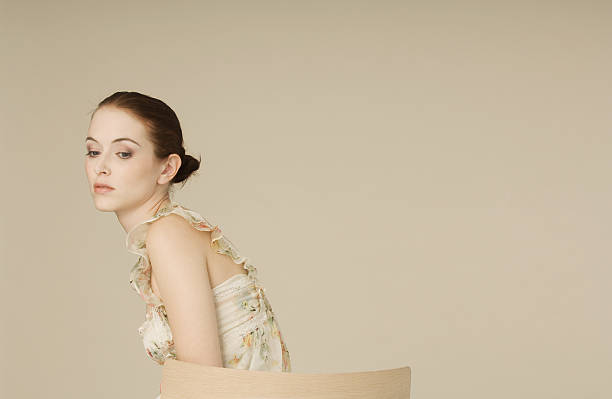
If your TikTok FYP has been flooded with translucent layers, pixelated petals, and that specific blend of soft girl meets hard drive, you’ve already caught a glimpse of ghost florals—the digital-bloom micro-trend that’s quietly hijacking every moodboard this year. Picture a sheer organza blouse printed with oversized daisies that look like they were pulled straight out of a corrupted JPEG, layered over a sleek slip dress. That’s the vibe. It’s romantic but not saccharine, ethereal but with an edge. It’s what happens when cottagecore logs onto Discord and starts messing with filters. And for the 18-to-30 crowd that shops The RealReal for vintage silk slips and uses Depop to fund a Free People dupe obsession, ghost florals are the ultimate sweet spot: dreamy, digital, and totally doable on a budget.
The core of this trend is contradiction. You take the organic, hand-painted florals of your grandmother’s boho maxi skirt and run them through a bad scanner, adding glitch lines or halftone dots. The result is a flower that feels both nostalgic and futuristic—like something you’d find in a 2004 Sims expansion pack or on the cover of a Y2K teen magazine. Designers have been leaning into this duality for a few seasons, but 2026 is the year it trickles down to fast-fashion rails and thrift-store bins. Think sheer button-downs with faded rose prints, mesh cropped tees with pixelated bluebells, and flowy midi skirts printed with digital watercolor effects. The key is layering. You wear these pieces as the sheer outermost layer over a solid bodysuit, a lacy bralette, or—for a more Brooklyn boho moment—a slip dress you scored for under forty bucks at a flea market.
Why does this resonate right now? Because we’re living in a moment where the internet and IRL are fully merged. Our aesthetics are built from screenshots, Pinterest boards, and Pinterest boards of screenshots. Ghost florals literally represent that convergence—the filter becomes the fabric. It’s also incredibly forgiving for budget hunting. Since the trend is built on transparency and digital distortion, you don’t need designer labels. Thrift a sheer polyester blouse from the ’90s, hit it with some fabric paint in a stamp pattern, or even better, find an old floral dress with a busy print and layer a mesh top over it to create your own glitch effect. RealReal is gold for vintage slip dresses that can serve as the base layer—think bias-cut satin in black or cream. Slip one on, throw a sheer floral duster over it, add chunky silver earrings and a beat-up pair of knee-high boots, and you’ve nailed the look without breaking the bank.
Accessories play a massive role, too. Digital bloom extends into jewelry with resin pieces that trap tiny dried flowers or 3D-printed petals that look like they belong in a virtual garden. Hair clips with glitter-dusted daisies, bag charms made of faux flora with metallic finishes—anything that feels like a screenshot of a flower in full bloom. The palette leans soft: blush, lavender, sage, sky blue, all with a slightly desaturated, screen-tinged quality. It’s not crunchy granola boho; it’s “I just woke up in a CBD ad and my filter is ‘Paris in the Rain.’”
The beauty of ghost florals is how easily they fit into a capsule wardrobe. You only need two or three sheer flower-printed pieces to transform your basics. A single pair of wide-leg trousers with a subtle digital rose motif can elevate a simple white tee and sneakers. A sheer floral scarf tied around a ponytail or bag adds the vibe with zero commitment. And because the aesthetic celebrates imperfection—blurry edges, faded prints, accidental overlaps—it’s extremely forgiving for secondhand finds. That slightly faded thrifted top? Perfect. That old Free People blouse with a wrinkly floral? Even better.
This is the kind of micro-trend that feels deeply personal but still connected to a larger cultural shift. We’re tired of hyper-curated, polished visuals. Ghost florals let us embrace impermanence, the pixel, the glitch—while still clinging to the romanticism of nature. It’s a digital bloom that never wilts, and it costs less than a single latte at a Brooklyn café. So go ahead, open your closet, and ask yourself: what’s already waiting to be digitally reborn?