
Haptic feedback bracelets alerts
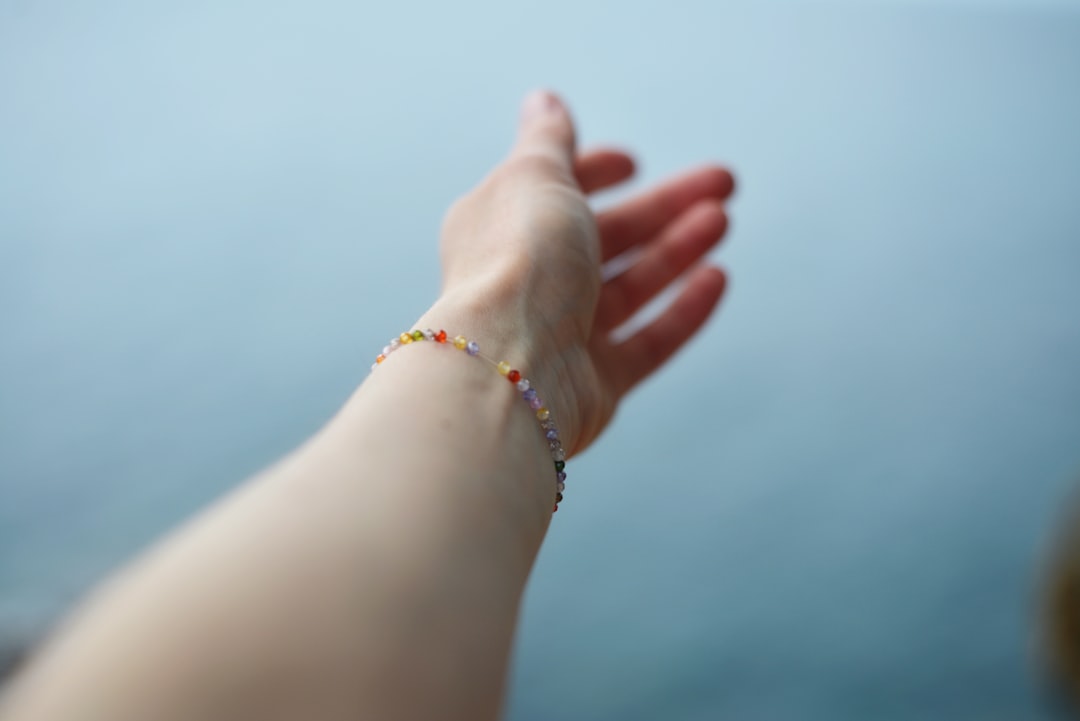
If your jewelry collection has been stuck in a loop of chunky chain necklaces and stackable rings from that one Brooklyn vintage market you swear by, 2026 is here to upgrade your vibe. We’re talking about the kind of accessory that doesn’t just sit there looking cute—it talks to you. Haptic feedback bracelets are officially the most underhyped tech-adjacent accessory you haven’t tried yet, and they’re about to become your new best friend for navigating life without constantly glancing at your phone. Think of them as the subtle, stylish cousin of that fitness tracker you wore for three weeks in 2021, but way cooler and way more intuitive.
We’ve already seen the rise of wearable tech that blinks, buzzes, and tracks your steps. But haptic bracelets are different because they prioritize discreet communication over data dumps. Instead of a screen screaming at you, these bracelets use gentle vibrations, taps, or pulses to send you cues—like a secret language only you and your bracelet share. Imagine you’re at a vintage pop-up in Williamsburg, deep in a pile of denim, and your bracelet gives two quick taps. That’s your reminder to check your calendar for that coffee date you almost forgot. Or maybe you’re walking home late, and a soft, persistent hum tells you your ride is two minutes away. No phone out, no awkward head tilt away from your conversation. It’s like having a quiet friend who whispers exactly what you need to know, right on your wrist.
Now, let’s talk about how this fits into the broader “Multi-Sensory Jewelry” world. Because that’s where the magic really happens. The pieces hitting the market right now are designed by people who get that accessories should feel like extensions of your personality, not gadgets. You’re seeing burnished brass bands, braided leather cuffs, and resin charms that catch the light like sea glass. These aren’t chunky plastic fitness bands. They’re conversation starters. You’ll find ones with interchangeable charms that vibrate in different patterns based on who’s texting you—maybe a double buzz for your best friend, a rhythmic pulse for your partner, and a single, polite tap for your mom. It’s jewelry that actually communicates your mood without you having to say a word.
The real beauty? You’re not tied to a massive ecosystem. Many of these bracelets sync with your phone via simple Bluetooth and a minimal app that doesn’t demand your full attention or sell your browsing history like it’s a fast-fashion haul. You can customize your alerts to match your day. On a lazy Sunday, maybe you only want the bracelet to buzz for your closest people. On a day of back-to-back thrift flips and client calls, you might set it to remind you to hydrate or stretch. No, it’s not going to replace your Apple Watch if you’re a hardcore data head. But for the girl who wants to stay present, spend less time screen-scrolling, and still feel connected, a haptic bracelet is the upgrade you didn’t know you needed.
Plus, the sustainability angle is real. A lot of these brands are leaning into slow fashion, using recycled metals, ethically sourced leather, and repairable components. You’re not buying a throwaway piece of tech. You’re investing in a long-term companion that can last through multiple wardrobe eras, from your boho phase to your corporate-goth era and back again. And because they’re not screaming “I’m a smart device,” you can wear them with a silk slip dress, a thrifted bomber, or a cashmere turtleneck without looking like you’re about to run a marathon.
So, what does this mean for your 2026 accessory game? Simple: you’re not just wearing a bracelet. You’re wearing a silent signal, a subtle helper, and a piece of jewelry that understands you’re too busy to look at your phone every three minutes. Whether you’re layering it with your go-to gold hoops or wearing it solo as a statement piece, a haptic feedback bracelet is the quiet flex of someone who knows that the best accessories don’t just do something—they mean something. And that’s the kind of multi-sensory energy we’re all about.
Articles