
The 2000s ’It’ Bag Comeback: How to Score Vintage Designer on a Budget
If your TikTok FYP has been flooded with grainy clips of Paris Hilton clutching a tiny Dior Saddle, or you’ve caught yourself lowkey screenshotting Lindsay Lohan’s Fendi Baguette from Mean Girls (again), you already know: the 2000s are back, and they’re not just a nostalgia trip—they’re a core pillar of the archival buying movement. But here’s the tea: scoring a genuine Y2K it-bag without dropping a full paycheck is an art form. And for anyone who’s balling on a budget but still wants to serve main character energy, mastering that art is the difference between looking like you raided a Hot Topic time capsule and looking like you just stepped off a Brooklyn brownstone stoop with a boho-meets-fast-fashion flex.
Let’s be real—the original it-bags of the 2000s weren’t exactly built for our wallets. The Dior Saddle, the Fendi Baguette, the Louis Vuitton Multicolore, and the Chanel Cambon were the holy grails of celebrity street style. Back then, you either had a trust fund or a rich aunt. Fast forward to 2026, and the resale market has completely flipped the script. Sites like The RealReal and Depop are drowning in these pieces, but prices can still feel gaslight-y if you don’t know where to look. The secret sauce? Archival buying isn’t about buying the first cute Coach bag you see—it’s about knowing which eras are underhyped, which materials actually hold up, and how to authenticate without paying for a certificate.
Start with the heavy hitters that are still flying under the radar. Everyone is chasing the Y2K Gucci horsebit or the Fendi Zucca print, but have you considered the 2000s Marc Jacobs? His early-2000s Stam bag is pure sleeper—structured, slouchy, and very much on-brand for the Brooklyn boho vibe. You can often snag one under $200 if you’re patient, and it gives all the “I thrifted this in Williamsburg” energy without the actual thrift store markup. Another dark horse: the vintage Prada nylon backpack. It’s lightweight, functional, and has that utilitarian-cool aesthetic that’s been popping up on FreePeople moodboards. Plus, nylon is literally indestructible, so you’re buying future vintage that’ll last another 20 years.
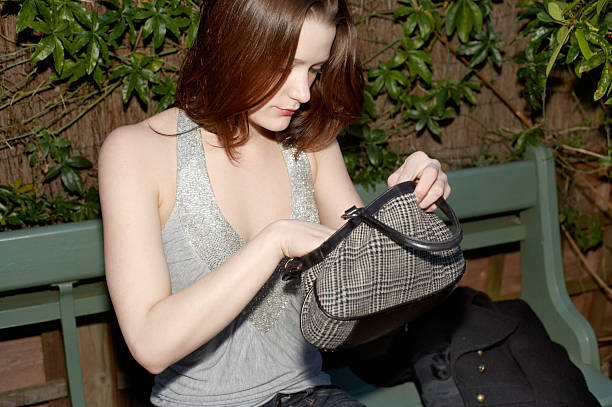
But let’s talk strategy. The biggest mistake new archival buyers make is neglecting condition. A beat-up Louis Vuitton Speedy might look ~aesthetic~ in a flat lay, but once you’ve got peeling canvas or a cracked zipper, your “it bag” becomes a “it hassle.” Pro tip: always zoom in on the corners and the stitching. For leather bags, look for even patina—uneven discoloration can be a sign of sun damage or cheap restoration. And never, and I mean never, buy a bag with a “faint smell of smoke” unless you’re ready to commit to a month of baking soda and sunshine. Your budget is for the bag, not the rehab.
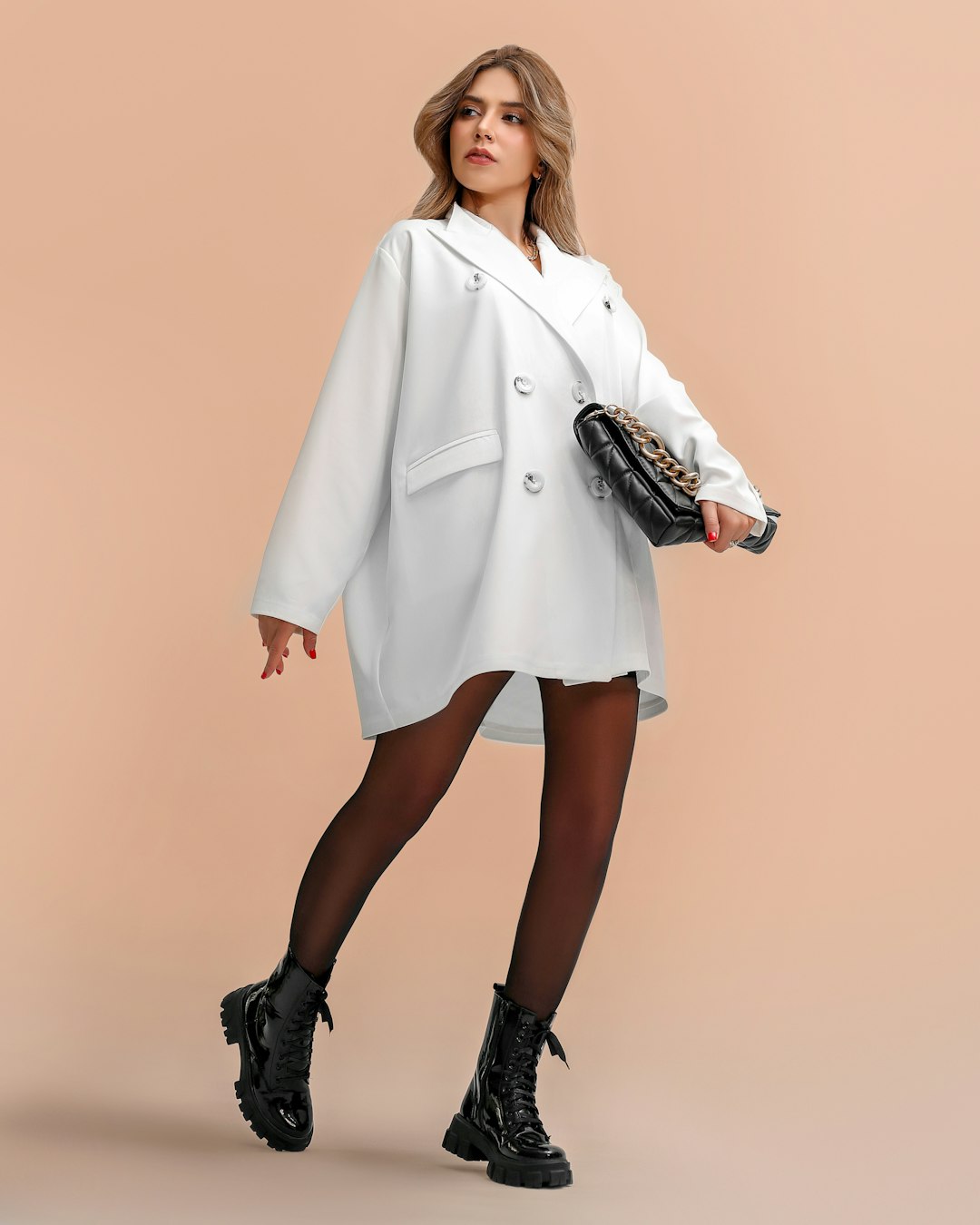
Another major key: know which styles are actually wearable for your lifestyle. If you’re an ~everyday tote~ kinda girl, don’t force yourself into a micro bag just because it’s trending. The 2000s were big on tiny shoulder bags, but they’re not practical for carrying your Hydro Flask and a crochet cardigan. Instead, look for the slightly larger iterations—like the Dooney & Bourke handbag that carries the same Y2K energy but actually fits your wallet and keys. Or embrace the early 2000s hobo bag silhouette. Coach’s signature “Willis” and “Dinky” styles from that era are having a massive resale renaissance right now, and they scream “I’m not trying too hard” in the best way.
Also, don’t overlook the power of transparent authenticity. With so many fakes flooding online marketplaces, it’s a whole vibe to learn the tells. For example, the Louis Vuitton date code (which is a stamp inside the bag) can be cross-referenced with the year of production—many 2000s bags have a code that starts with a letter, then two numbers for week, then numbers for year. A bag claiming to be from 2003 but with a code that doesn’t match is an instant red flag. Same goes for Fendi’s serial tag—if the hologram sticker is scratched off or looks flimsy, run. These little pieces of knowledge are what separate the casual shopper from the true archival connoisseur.
And let’s give a special shoutout to the ultimate budget move: buying from smaller niche resellers on Instagram or TikTok Shop. Yes, there’s more risk, but also more reward. Many of these sellers specialize in “pre-loved, lightly used” 2000s accessories that never hit the big resale sites. You can haggle, ask for extra photos, and sometimes get a bag for $80 that would go for $300 on The RealReal. The catch? You need to be swift. These sellers drop stock at random hours—usually late at night—and the good stuff evaporates in minutes. Set your notifications on, keep your PayPal ready, and trust your gut.
Ultimately, the 2000s it-bag revival isn’t about spending a bag (pun intended) of money. It’s about the hunt, the thrill of discovering a piece that has its own history, and the satisfaction of styling it in a way that feels fresh and current—not like a costume. Pair that vintage Fendi Baguette with a pair of high-waisted cargo pants and a cropped sweater, and suddenly you’re not just wearing a nostalgic relic; you’re curating a look that bridges the gap between fast fashion and future heirloom. That’s the whole point of archival buying: preserving the vibe while keeping your bank account intact.
So go ahead—scroll Depop at 2 AM, zoom in on that scratched hardware, and trust the process. The ultimate 2000s it-bag is out there, waiting for someone with good taste and a smart budget to bring it back to life. Just remember: in the world of future vintage, patience isn’t just a virtue—it’s a very cute accessory.
Articles