The 2010s Blazer Comeback: Why Your Old Oversized Fit Is Now a Vintage Grail
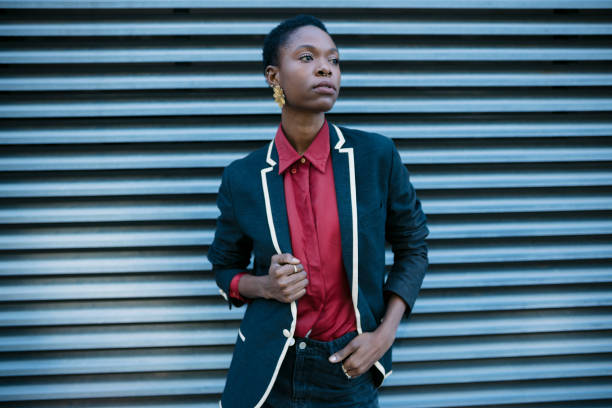
Let’s be real for a sec: there’s a specific thrill that comes from pulling a beat-up, slightly boxy blazer out of your mom’s closet and realizing it literally screams “quiet luxury” in a way that a brand-new Shein dupe never could. We’re talking about the 2010s minimalist blazer—the one that was everywhere during the Tumblr era, the kind of piece that made you look like you just stepped off a Helmut Lang runway even if you bought it on sale at Aritzia. That same blazer? It’s now a certified archival piece. And the best part: the payoff is real, both aesthetically and financially. Welcome to the era where 2010s minimalism finally gets its flowers.
If you’re a girl who lives for that Brooklyn-meets-Boho vibe—think cobblestone streets, a vintage leather tote, and layers that somehow look effortless—you already know the oversized blazer is the backbone of your wardrobe. But here’s the thing: the version that was trending a decade ago is hitting different in 2026. Back then, we called it “normcore” or “effortless chic.” Now? It’s the ultimate example of archival buying done right. The 2010s minimalist blazer—with its dropped shoulders, no darts, and often a muted neutral palette—has become a holy grail for resale hunters on The RealReal, Depop, and even your local thrift. Why? Because it perfectly bridges that old-money, stealth-wealth energy with the free-spirited, undone feel of a boho wardrobe. It’s the piece that says you know what you’re doing without trying too hard.
Let’s break down why this specific item pays off. First, construction. Brands like Rag & Bone, Equipment, and even Zara’s early-2010s “basics” line were made with a much heavier, crisper wool or cotton blend than what you’ll find on the racks today. Fast fashion has gotten flimsier over the years, but those 2010s blazers were built to last. You can feel the weight of the fabric, the structured shoulders that still hold their shape after a decade. That’s the kind of quality that justifies spending a bit more now because you’re not just buying a trend—you’re buying a future heirloom. And let’s be honest, when you find a deadstock 2013 Acne Studios blazer on Poshmark for under $100, you’re literally stealing a piece of fashion history.
Second, the aesthetic payoff. The 2010s minimalist blazer is the ultimate layering piece for the boho-minimalist hybrid we’re all obsessed with. Throw it over a slouchy linen dress and chunky sandals for that Brooklyn flea market vibe. Pair it with high-waisted wide-leg jeans and a white Hanes tee for the “I woke up like this” main-character energy. The key is that it’s conversational—it’s not screaming for attention, but it’s quietly pulling the whole outfit together. That’s the definition of future vintage: a piece that feels both nostalgic and entirely fresh because its design is timelessly pared-down. No logos, no fuss, just clean lines that whisper “I have taste.”
But here’s where it gets even better: the monetary payoff. Because 2010s minimalism is still flying under the radar for most fast-fashion shoppers, the resale value on these blazers is criminally low right now. But the tide is turning. As Gen Z and younger Millennials start to crave the authenticity of that pre-2020 era, these pieces are starting to climb. A few months ago, I watched a 2015 Céline blazer (the one with the hidden snap buttons and the slightly oversized lapel) triple in price over a single weekend on The RealReal. The same is happening for secondhand finds from A.L.C., Vince, and even old-school J.Crew—yes, J.Crew—from when they actually used Italian wool. The smart move is to buy now, before everyone catches on. That means raiding your local Goodwill bins, scouring the “vintage” section on Depop for anything tagged “relaxed fit blazer,” and hitting up your aunts who still have their early-2010s Ann Taylor separates from that weirdly minimalist phase.
Of course, you have to know what to look for. The winning 2010s blazer has a few key markers: it’s slightly oversized but not drowning you, with a single button at the waist (two-buttons are giving 90s office, which is also cute but not what we’re hunting here). Look for a soft shoulder—no crazy shoulder pads, just a slight structure that defines your shape without stiffening it. The most desirable ones come in camel, charcoal, cream, or olive—basically anything that blends into your wardrobe without resisting. And if you find one with raw-edge hems or slightly deconstructed sleeves? That’s a double win. Those details scream “archival” because they were actually ahead of their time.
The beauty of this whole trend is that it aligns perfectly with the balling-on-a-budget ethos of our audience. You don’t need to drop hundreds on a new minimalist blazer from The Row (though we all dream of that). Instead, you can channel that same energy with a piece that already exists, already has a story, and already passed the test of time. That’s the ultimate flex in 2026: wearing something that your younger self would have worn ironically, but now you wear it with intention. It’s a full circle moment—and your wallet thanks you.
So next time you’re scrolling through resale apps or standing in a dusty thrift aisle, keep your eyes peeled for that boxy, soft-shouldered blazer from the early 2010s. It’s the piece that pays off now, and it’ll only keep paying off as the decade rolls on. Go get your grail.
Articles