
The Art of the Closet Graveyard: How to Revive Your Fast Fashion Haul Without Buying a Single Thing
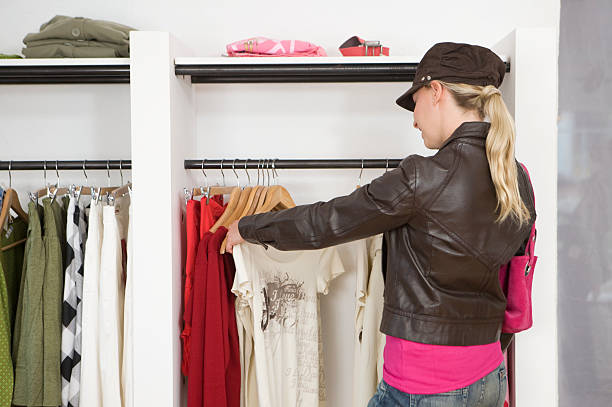
You know that feeling. You open your closet doors and are immediately confronted by a rack of pieces that feel like a museum of your past mistakes. There, at the end, is that neon green tube top you bought for a Coachella you never went to. The faux-leather trousers that looked edgy on the mannequin but scream “I forgot to take the tags off” in real life. The crochet vest that seemed like the perfect boho layer until you realized you don’t actually go to brunches in the Catskills. This is the closet graveyard, and it’s not a sign of failure. It is, in fact, the most overlooked frontier of sustainable fashion.
We get it. The fast fashion cycle is a siren song. You see a micro-trend on TikTok, you click checkout on ASOS, and three days later a cardboard box full of potential is on your doorstep. The dopamine hit is real, the price tag is manageable, and the vibe feels right. But then the thrill fades, and that piece joins the ranks of the unworn. The guilt creeps in. You think you need to be a better shopper, a more intentional consumer. But the secret to closet circularity isn’t about being a perfect, minimalist saint. It’s about becoming a creative remix artist with your own wardrobe.
Let’s talk about the “dopamine piece.” That’s the item you bought for the idea of a version of yourself you haven’t met yet. You bought the metallic puffer vest for the you who goes to a gallery opening in Bushwick. You bought the floor-length silk skirt for the you who has a vineyard wedding to attend. The problem is, those events rarely happen in the frequency your closet demands. The solution isn’t to throw the vest or the skirt in a donation bag. The solution is to force the version of you that exists today to wear them.
Take that sequined camisole you bought for a “wild night out.” Pair it with a slouchy, oversized cardigan from your thrift stash and your most worn-in mom jeans. Suddenly it’s not an event piece anymore. It’s a casual, high-low flex that says you have confidence and a sense of humor about your own style. That’s the Brooklyn/Boho way. It’s about layering the precious with the practical. It’s about wearing the corset top under a baggy flannel. It’s about styling that statement necklace from a viral boutique with a $5 white tee from a street vendor.
The most powerful hack in your circularity toolkit is the visual overhaul. A piece you’ve had for three years can feel brand new just by changing how you wear it. Buy a pack of vintage-style brass buttons from Etsy and swap them onto a tired denim jacket. If you have a pair of wide-leg trousers you never reach for, try cinching them at the ankle with a scarf or tucking them into tall boots. If a dress feels too short or too daytime, layer a fitted turtleneck under it and belt it with a leather strap. You are not shopping. You are styling.
And let’s be real about the ultimate act of closet circularity: the trade. The RealReal taught us that resale is luxury. FreePeople taught us that flowy is a lifestyle. Combine those energies and you get the friend swap. Host a small gathering where everyone brings five pieces they’re bored of. No money changes hands. You just trade. That’s the most sustainable purchase you can make. It’s zero waste, zero carbon footprint, and zero guilt. You get the thrill of a “new” piece without feeding the beast of fast fashion. It’s balling on a budget, but the currency is not cash. It’s styling cred.
We have to stop seeing our closets as static collections and start seeing them as breathing ecosystems. The pieces you already own have more life in them than you think. They just need a new context. The crochet vest that felt like a flop? Wear it over a slip dress. The neon tube top? Wear it as a neck gaiter. Yes, that’s a real thing. If you can reframe your perspective from “I have nothing to wear” to “I have a closet full of potential building blocks,” you unlock a form of radical self-expression that doesn’t cost the planet a dime.
Circularity isn’t just about buying vintage or reselling your cast-offs. It’s about the internal loop. The loop that goes from your closet, to your body, to your mirror, and back again. The goal is not to have a smaller wardrobe. The goal is to have a deeper relationship with the wardrobe you already have. So before you click that “add to cart” button for a new “sustainable” hemp top, walk to your closet, pull out the thing you’ve been ignoring, and make it work. You might just realize you already own everything you need to be the most stylish version of yourself.
Articles