

The Clothes Swap: Your Regenerative Wardrobe Party Starter
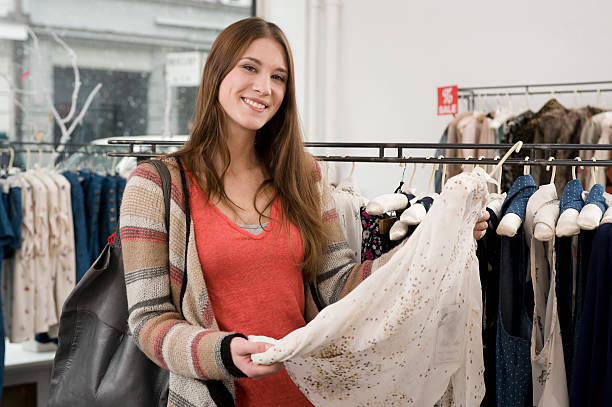
Let’s be real: the whole “I have nothing to wear” crisis hits hardest when your closet is actually overflowing. You’ve got a denim jacket that’s been waiting for its moment since 2022, a pair of velvet flares that were so 2023, and that Free People floral maxi you wore exactly once to a rooftop party. They’re all beautiful, but they’re just sitting there, collecting dust and eco-anxiety. Meanwhile, your bank account is crying because you can’t justify dropping fifty bucks on a new Brooklyn Boho statement piece when you’ve got rent due. Enter the clothes swap—the ultimate regenerative wardrobe move that’s equal parts sustainable flex, budget win, and social ritual.
A clothes swap isn’t your grandma’s church basement rummage sale. It’s a curated, vibe-y gathering where you and your circle trade pieces you’ve outgrown or fallen out of love with, giving them a second life in someone else’s rotation. Think of it as the fashion equivalent of a sourdough starter—you take what you already have, add a little community energy, and regenerate something fresh. This is regenerative fashion in its purest form: circular, zero-waste, and deeply personal. No shipping emissions, no new production, just a closet refresh that costs you nothing but the snack you bring.
Why does this hit so different for the balling-on-a-budget RealReal girlie? Because you already know the thrill of a pre-loved score. But instead of hunting through resale apps and fighting bots for a vintage Levi’s jean jacket, you get to try things on, feel the fabric, and take home a piece your bestie’s ex-boyfriend never even saw her wear. It’s intimacy meets sustainability—and it’s a total regenerative power move.
Here’s how to host a swap that actually slaps. First, set a theme or a rule. “Bring at least five items you’d genuinely recommend to a friend” keeps the quality bar high. Nobody wants to be that person dumping stained Forever 21 tank tops. Think “vintage silk, sustainable staples, cool accessories.” Encourage pieces that are clean, in good condition, and actually swappable. A chunky knit cardigan? Yes. That pair of sneakers you wore to three music festivals? Maybe not, unless you’re swapping with a girl who loves a distressed look.
Set the scene with a Brooklyn Boho aesthetic: fairy lights, a thrifted tablecloth, maybe a palo santo stick for the ~energy~. Offer snacks that don’t leave greasy fingerprints—veggies, chips, kombucha. Play a playlist that alternates between Clairo and Laufey. The goal is to make it feel like a low-key hang, not a vending machine experience. As people arrive, have them arrange their items on racks or a cleared-off couch. Let everyone browse for twenty minutes, then start the trading rounds.
You can do a straight-up free-for-all, or if you want to gamify it, let people pull numbers and take turns picking a single item each round. That way the hardest-to-get piece doesn’t get snatched by someone who showed up late. But honestly, the most regenerative swaps are the ones where people trade openly, with zero jealousy—because you know that when you hand over that brocade mini skirt you never wore, it’s going to look a million times better on your friend at her next art gallery opening. And she’ll hand you that linen button-down you’ve been eyeing for months. It’s reciprocity, baby.
The real hack? Post-swap, don’t let the leftovers go to waste. Bag up whatever didn’t find a new home and drop it at a local donation center, an independent thrift store, or a textile recycling bin. Or use it for a future mending workshop—turns out, a crooked hem is just a chance to add some visible mending with embroidery floss. That’s the regenerative mindset: you don’t just swap clothes, you swap ideas, skills, and a shared commitment to keeping textiles out of landfills.
Clothes swaps also fight the fast-fashion impulse in a way that feels empowering. You’re not depriving yourself of a new look; you’re activating a community-based economy where style is abundant without the price tag or the environmental guilt. Plus, every piece that changes hands carries a story now. The oversized blazer you got from your roommate’s cousin’s swap last spring? It’s already a conversation starter. Your wardrobe becomes a living archive of connections, not just a collection of brands.
And because you’re the StyleGoals type who loves Free People’s earthy boho layers but also respects the hustle of The RealReal’s resale market, you recognize that true style isn’t about having the newest drop—it’s about having the right pieces that make you feel like the main character in your own Brooklyn indie film. A swap gives you that without the carbon footprint. It’s regenerative because it keeps the cycle spinning: more wears per garment, less waste, more joy.
So next time you feel that urge to click “add to cart” on a trend that’ll be over in three months, text your crew instead. Set a date. Clear out your closet. And watch your wardrobe regenerate itself—one swapped vintage tee at a time.
Articles