The Power of Drape: How Unconstructed Silhouettes Are Redefining Gender-Free Dressing
Let’s be real for a sec—2026 is the year we finally stop pretending that clothes have assigned genders. Like, the whole “this is for boys, this is for girls” thing is literally so last century. But here’s the tea: the real revolution isn’t just about wearing a skirt if you’re a dude or throwing on a suit if you’re a girl. It’s about the silhouette itself—the way fabric moves, falls, and shapes itself around your body without forcing you into a box. And nothing embodies that energy quite like the unconstructed, draped, fluid silhouette. It’s giving effortless, it’s giving intentional, and it’s the ultimate flex for anyone who wants to look expensive without trying too hard.
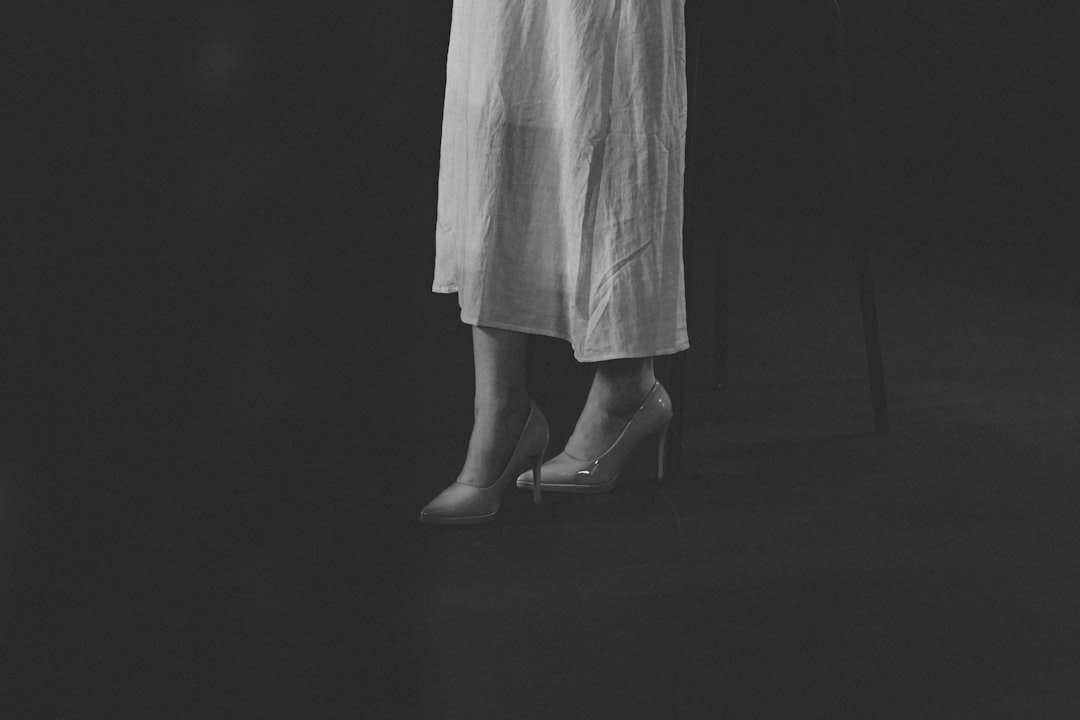
Think about the traditional tailored blazer. It’s sharp, structured, and literally built to create a masculine V-shape. Or the classic fit-and-flare dress—cinched waist, full skirt, all about emphasizing curves. These are garments designed to define gender through architecture. But fluid silhouettes? They do the exact opposite. They let the fabric do the talking, not the seams. We’re talking drop-shoulder coats that pool around your wrists, wide-leg trousers that somehow feel like pajamas but look like couture, oversized tunics that could be a dress or a top depending on how you tie them. It’s clothing that adapts to you, not the other way around.
Why does this matter for someone balling on a budget but still trying to serve main character energy? Because fluid silhouettes are low-key the smartest investment you can make. A single oversized linen shirt? That’s a beach cover-up, a layering piece under a blazer, a mini dress with a belt, or a jacket over a bodysuit. It’s the chameleon of your closet. And since the cut isn’t screaming “menswear” or “womenswear,” you can thrift it, swap it with your partner or roommate, and style it a hundred ways without ever feeling like you’re wearing a costume. That’s the beauty of gender-free dressing—it’s not about rejecting femininity or masculinity; it’s about rejecting the necessity of choosing one.
The real MVPs of this movement are the designers and brands leaning into draping techniques. Think less tailoring, more sculpture. That asymmetric wrap top that twists around your torso? It doesn’t care what’s underneath—it just cares about the line it creates. The puddle-hem pants that drag just a little on the ground? They make every leg look miles long, regardless of hip width or shoulder breadth. And the cocoon coat—no buttons, no structure, just a soft, enveloping shape that feels like a hug? That’s the 2026 version of armor. It’s giving “I woke up like this,” but you definitely spent ten minutes in the mirror perfecting that messy drape.
Of course, there’s a learning curve. If you’ve spent years wearing clothes that cling or cinch, stepping into something completely unstructured can feel like you’re drowning in fabric. But that’s the point. You have to play with it—roll the sleeves, knot the hem, add a chunky belt, or layer a cropped top underneath. The silhouette becomes a canvas. And the best part? There’s no wrong way to do it, as long as you’re vibing. Fluid dressing is the ultimate permission slip to experiment. Pair a massive felted-wool duster with bike shorts and platform mules. Throw an unlined kimono jacket over a mesh tank and cargo pants. It’s all valid.
For the 18–30 crowd who shops The RealReal like it’s a sport and dreams of Free People’s boho luxe but needs it to not break the bank, this is where you find your sweet spot. Vintage oversized men’s blazers are literally everywhere on resale—grab one in a soft herringbone or a faded corduroy, and it’s instantly gender-fluid. Silk slip dresses from the ’90s? Wear them as skirts or layer them under a chunky knit. The key is to look for pieces with drape—things made from rayon, modal, bamboo, linen, cashmere, or washed cotton that naturally falls in soft folds. Avoid stiff fabrics or excessive interfacing. You want clothes that breathe and move like liquid.
The beauty of fluid silhouettes is that they also work across seasons and occasions. That same oversized button-down you wear open over a swimsuit in July? In December, it’s a layer under a puffer vest. That draped jumpsuit you threw on for brunch with the girls? Add a harness and chunky boots, and it’s a night-out look. It’s the ultimate “capsule wardrobe” hack because the shapes themselves are neutral—they don’t scream a specific gender, occasion, or trend. They just serve.
So if you’re ready to level up your gender-free dressing game, stop worrying about whether something is “for” you. Start worrying about whether the fabric flows, whether the shoulders drop, whether the hem hits your ankle just right. Let the silhouette lead. Because in 2026, the most powerful statement you can make isn’t “I’m a man in a dress” or “I’m a woman in a suit”—it’s “I’m a person wearing exactly what feels right, and it looks fire.”
Articles