
The Second Coming of Low-Rise: Why Your 2006 Abercrombie Jeans Are Suddenly an Investment Piece
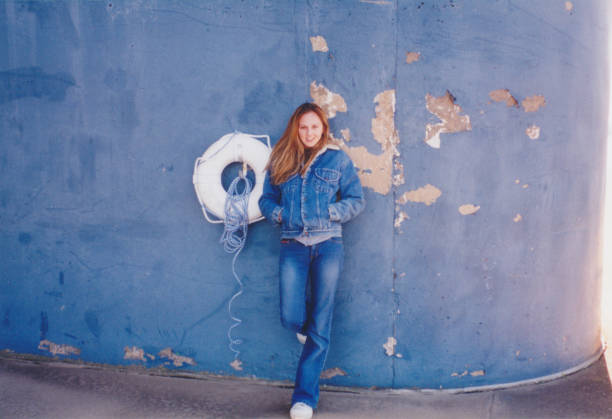
Let’s be real for a sec—if you told me five years ago that I’d be actively hunting for a pair of low-rise, rhinestone-encrusted flared jeans from a brand my mom swore was “too expensive” in the aughts, I would’ve laughed in your face. But here we are, knee-deep in a Y2K revival that refuses to die, and suddenly those old Abercrombie, Hollister, or even boutique denim finds from your middle school closet are being labeled “archival” on Depop for triple what you paid. And honestly? That’s kind of iconic.
The 2000s reloaded trend isn’t just about nostalgia anymore—it’s become a legitimate strategy for future vintage buying. We’ve officially hit the point where early aughts pieces aren’t just “old clothes” but genuine collectibles with resale value. Think of it like an investment portfolio, but way more fun to wear. The key is knowing which pieces will age like fine wine versus which ones belong in a Halloween costume bin. So let’s talk about the holy grail of this wave: low-rise denim with serious embellishments.
You’ve seen them floating around on Instagram—those Y2K-era jeans with rhinestone-studded back pockets, lace-up sides, or full-on butterfly embroidery running down the legs. They’re the ones that make you do a double take because they look both dated and weirdly fresh at the same time. That’s the aesthetic dissonance that makes them so valuable. The 2000s were unapologetically maximalist with denim, and that vibe is now hitting its second wind with the Brooklyn/Boho crowd. We’re talking about jeans that would have been considered “too much” five years ago, but now they’re the centerpiece of a curated outfit that screams “I know what I’m doing.”
Here’s the thing about archival buying in the 2000s reloaded era: you have to look beyond the obvious. Everyone is chasing Juicy Couture tracksuits and Von Dutch hats, but the real sleeper hits are the denim pieces that were considered borderline tacky at the time. Think about it—those low-rise bootcuts with heavy hardware, the ones with contrast stitching and metallic thread, maybe a little fraying at the hem. They were designed to be worn with tiny halters and chunky platform sandals, but now they look fire with a simple white bodysuit, a cropped cardi, and some chunky loafers. The juxtaposition is what makes them wearable today.
Why should you care? Because the resale market for Y2K denim is absolutely wild right now. I’ve seen pairs of early 2000s Mudd or Miss Me jeans sell for $150+ on Depop, and that’s before you factor in any rare washes or iconic brand collaborations. The trick is to buy them now, wear them for a few seasons, and then list them when the trend inevitably peaks again. But here’s the real tea: you don’t have to have a six-figure budget to play this game. Thrift stores, estate sales, and even your mom’s attic are gold mines if you know what to look for. Look for the details that scream “2000s”: low rise (obviously), flared or bootcut legs, heavy distressing, novelty buttons, and any kind of rhinestone or embroidery work. The more extra, the better.
Styling these pieces for the current aesthetic is where the magic happens. Because let’s be honest, if you wear them exactly like you did in 2004—with a lace cami, platform flip-flops, and a bedazzled belt—you’re going to look like you’re in a time capsule. The boho angle is your best friend. Pair those low-rise jeans with an oversized knit sweater or a flowy peasant top. Add some chunky jewelry, maybe a leather tote, and finish with chunky dad sneakers or ballet flats with socks. That mix of casual luxury and thrifted grit is exactly what the 2026 vibe is about—it’s polished but unstudied, expensive-looking but actually affordable if you know where to look.
And here’s a pro tip for the balling-on-a-budget queens: focus on brands that have stood the test of time. Abercrombie, Guess, Lucky Brand, even some of the lesser-known Italian labels that were huge in the early aughts—they all had distinct silhouettes that are now being revived by fast-fashion giants like Zara and H&M. But why buy a knockoff when you can have the real deal for the same price at a thrift store? The archival market rewards patience and a good eye. You’re not just buying jeans; you’re owning a piece of fashion history that is cyclical by nature.
The most important thing to remember? Future vintage buying isn’t about hoarding—it’s about curating. Pick pieces that genuinely resonate with your personal style, not just what’s trending on TikTok. If you genuinely love that embellished low-rise flare, you’ll wear it for years, not just until the trend fizzles. And by the time the next wave rolls around, that pair will have gained even more cachet. So get out there, dig through the racks, and channel your inner 2006 It Girl. Your closet—and your wallet—will thank you later.
Articles